The key facts
- The IRGC said it destroyed a US early warning radar in Bahrain in response to the strike on Sirik in southern Iran
- According to Reuters, this is the first claimed attack on American military facilities in Arab countries since the beginning of September
- The US and Bahrain have not yet commented on the statement; diplomatic efforts mediated by Qatar and Pakistan continue
The IRGC statement and its context
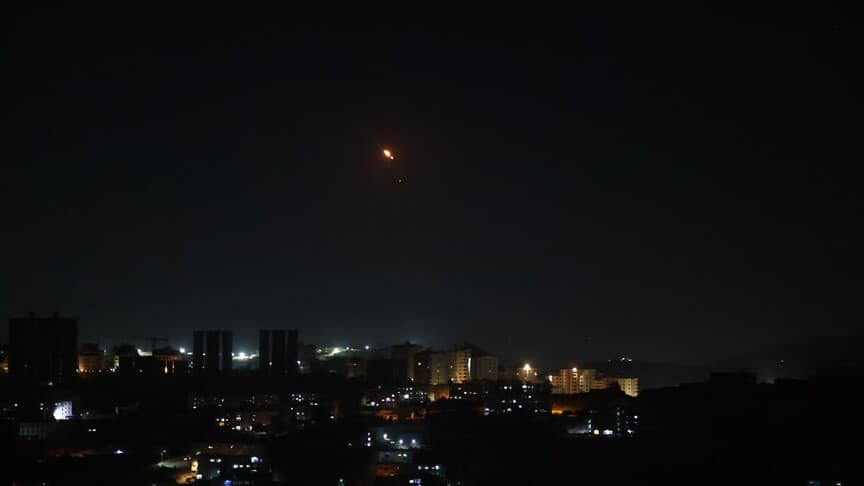
The Islamic Revolutionary Guard Corps (IRGC) reported on Friday, November 13, that its forces attacked and destroyed a US early warning radar in Bahrain. According to Reuters, cited by Kun.uz, this was the first claimed attack on American military facilities in Arab states since the beginning of September. The strike, the Corps claims, was carried out in response to an attack on a telecommunications tower in Sirik county in Iran's southern Hormozgan province, which occurred the day before, on Thursday. The IRGC described its strike as an airstrike.
Content of the statement and the reaction
In its statement, the IRGC called the strike a 'serious warning' to Washington to stop 'air provocations and oil smuggling in the Strait of Hormuz'; the Corps added that its aerospace forces are 'fully ready' to respond 'without geographical limitations' if such actions are repeated. These wording choices are cited by Iran's IRNA agency, the Fars agency and Al Jazeera. Neither the US nor Bahrain has yet commented on Iran's statement. Bahrain, as euronews notes, hosts the headquarters of the US Navy's Fifth Fleet, which plays a key role in Washington's naval operations in the Persian Gulf.
Background of the confrontation
The publications describe the events against the backdrop of a war that began on February 28 with US and Israeli strikes on Iran and spread across the entire region. Iran responded with missile and drone strikes on American bases in Persian Gulf countries and effectively closed the Strait of Hormuz — a key route for global oil and gas supplies; Washington, in turn, blocked Iranian ports from the sea. According to CENTCOM data cited by euronews, American forces continue to 'around the clock' ensure the passage of vessels through the strait while simultaneously 'strictly enforcing' the naval blockade of Iran; since the summer, about 1.7 billion barrels of crude oil have passed through the strait under US protection. A memorandum of understanding signed in June as a step toward a final peace agreement later fell apart due to disagreements, including over shipping in the strait.
Diplomacy amid escalation
The IRGC statement came against the backdrop of a hard line from US President Donald Trump: on Thursday he said that Washington no longer needs an agreement with Iran and instructed Vice President JD Vance, who had been involved in diplomatic efforts, to focus on domestic issues. Trump also said that Saudi Arabia, Qatar, Kuwait, the UAE and Bahrain had asked him to postpone larger-scale strikes on Iran. Despite the growing military tension, according to euronews, the mediation efforts of Qatar and Pakistan continue; Tehran conditions the resumption of formal talks with Washington on the fulfillment of its demands — the lifting of sanctions, an end to the naval blockade of Iranian ports, the unfreezing of assets and a halt to the war on all fronts. It is important to emphasize: the IRGC's claim about the destruction of the radar remains an assertion by the Iranian side, unconfirmed by the US or Bahrain.