The key facts
- About 1,000 Beeah Group staff are working in Umm Al Quwain, Sharjah and Ras Al Khaimah; nearly 100 pieces of equipment are in use, including three skimmer vessels
- Ras Al Khaimah beaches (seven public and hotel ones) reopened on Wednesday, Sharjah's on Thursday after nearly three weeks of closure
- The spill came from the supertanker Gem No 2, whose crew was rescued after an alleged Iranian drone strike in early October; the source of pollution on the east coast has not been confirmed
The scale of the operation
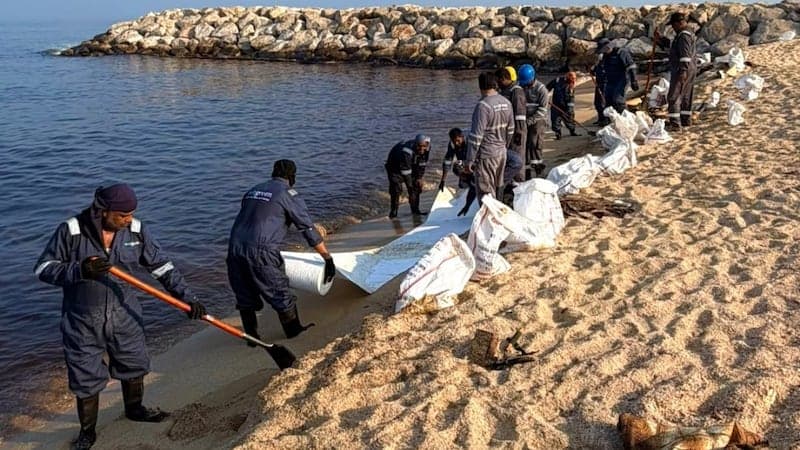
Coastal oil cleanup work in the UAE continues with the involvement of hundreds of workers; some of the equipment has been delivered to the country, including from the United States. As The National was told by Vassilios Mamaloukas Fragkoulis, director of oil spill response at Beeah Group, about 1,000 people are working daily in Umm Al Quwain, Sharjah and Ras Al Khaimah, with nearly 100 pieces of equipment deployed, including three skimmer vessels. Evogreen — a joint venture between Sharjah's Beeah Group and Greece's Polygreen — nevertheless assesses the cleanup itself as 'quite manageable' and 'technically not difficult', despite the large extent of the affected coastline.
How the cleanup is proceeding
One of the methods used is sand washing: large volumes of water are delivered by low-pressure hose to the upper part of the beach, flushing out the oil. Hard surfaces, such as stone walls, are treated with washing equipment, while material collected from sand and rocks is removed using absorbents or mechanically, with skimmers. Hazardous waste — oil, contaminated beach material, saturated absorbents, debris and personal protective equipment — is processed at Beeah's facility in Sharjah. Priority is given to Sharjah's beaches and the areas in front of Ras Al Khaimah's hotels. Fragkoulis cited strong winds, capable of moving oil right along the shore, as a complicating factor; sensitive areas such as mangroves require 'less radical interventions', although water washing, which, according to him, was used, for example, in Mauritius, may be partially tested in the UAE. In some places the work will be completed in the coming days, while in others, according to the company's estimate, it will continue 'for at least several months' and extend into next year.
What has already reopened
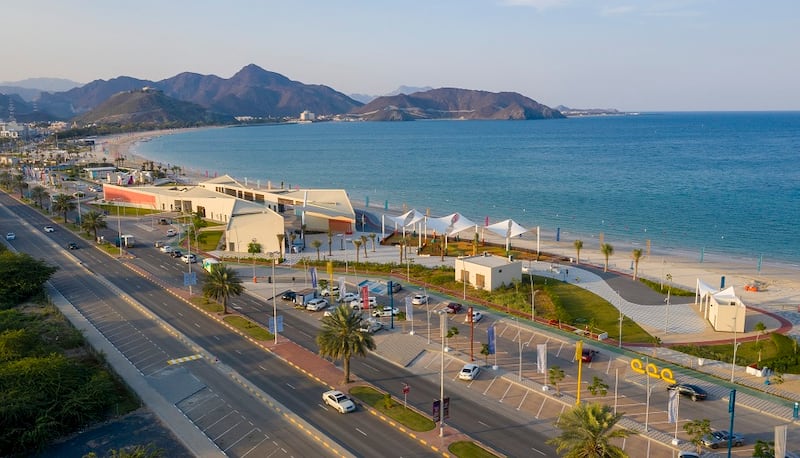
Part of the coastline is accessible again after cleanup: as The National reported, on Wednesday seven public and hotel beaches in Ras Al Khaimah were declared safe for visitors, and on Thursday Sharjah reopened its beaches — they had been closed for almost three weeks. Meanwhile, beaches on the east coast, including Al Lulu'ah beach in Khor Fakkan, were closed due to oil contamination, but the source of that contamination, the outlet notes, has not been confirmed.
The origin of the spill and demand for equipment
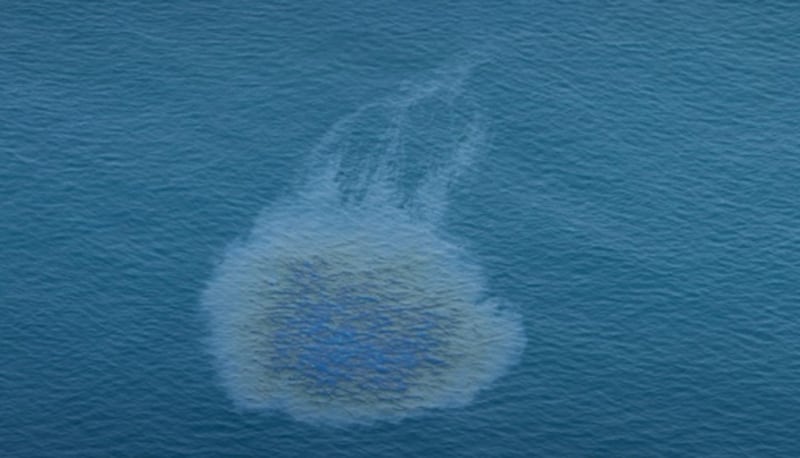
The UAE Ministry of Climate Change and Environment confirmed the presence of a spill on 22 October after reports of a fuel-like smell in the preceding days. The source was named as the supertanker Gem No 2, whose crew was rescued after an alleged Iranian drone strike in early October. Demand for spill containment equipment has grown so much that Dubai-based Ecocoast, which manufactures booms at a plant in Umm Al Quwain, has doubled output by adding equipment and staff. Its CEO Joachim De Jeanlis described demand as 'colossal' and noted that this is the first spill of such a scale in the company's experience; according to him, developers, ports and marinas are turning to the company for cooperation as they prepare for the possible spread of oil.