The key facts
- Minister Capobianco said deforestation in the Amazon fell by about 71% under the Lula administration
- The government has ruled out legal action against Bolsonaro, choosing the path of restoring forest protection
- At COP31, Brazil is promoting roadmaps on deforestation and fossil fuels and is calling for mobilizing $1.3 trillion in climate financing
Reducing deforestation and rejecting confrontation
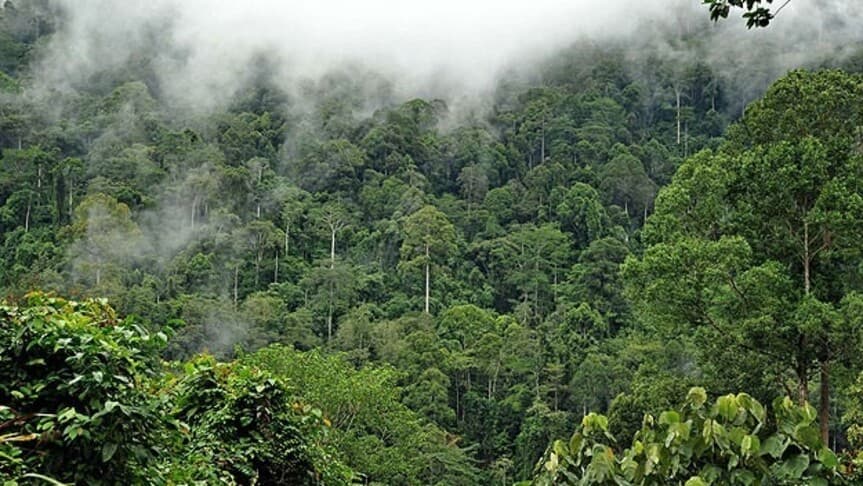
Speaking on the sidelines of the UN climate conference COP31 in Antalya, Brazil's Minister of Environment and Climate Change João Paulo Ribeiro Capobianco told the Turkish Anadolu agency in an interview that deforestation in the Amazon has fallen by approximately 71% since Luiz Inácio Lula da Silva returned to the presidency in January 2023. According to him, reducing logging in Brazil's other ecosystems as well could prevent about 560 million tons of greenhouse gas emissions.
“Bolsonaro is in the past”
When asked about possible legal action against former president Jair Bolsonaro over the damage to the Amazon during his time in office, Capobianco said: “We don't need to fight Bolsonaro. Bolsonaro is in the past. We are in the future.” He explained that the government has decided to focus on restoring environmental protection measures, strengthening oversight of illegal logging, and protecting indigenous peoples' territories. The Bolsonaro administration was criticized by environmental organizations and indigenous communities for prioritizing the economic exploitation of the Amazon over forest protection.
Brazil's priorities at COP31
On the international agenda, Brazil is promoting roadmaps for preventing deforestation and forest degradation, and has also begun work on a separate roadmap for fossil fuels. Capobianco highlighted the Tropical Forests Forever Facility initiative, aimed at attracting long-term financing for tropical forest protection. Among the conference's priorities, he named agreeing on roadmaps to end deforestation, reduce fossil fuel use, and mobilize $1.3 trillion in climate financing, primarily for developing countries. According to him, 44 countries have not yet submitted updated nationally determined contributions under the Paris Agreement, and he called for more ambitious commitments.