The key facts
- Joint List leader Yousef Jabareen for the first time hinted at unofficial talks with the opposition 'change bloc' on Knesset votes
- The demands include repeal of the Kaminitz law, a plan to combat crime, and a five-year economic plan for Arab towns
- The 'change bloc' holds 48 of 120 seats, the Joint List 11; Eisenkot has until December 6 to form a government
Unofficial contacts with the opposition went public
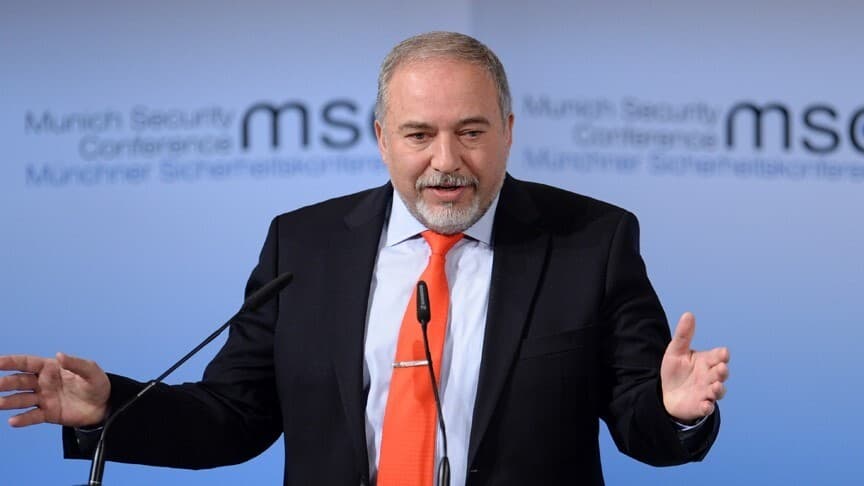
Leader of the Arab Joint List in the Knesset Yousef Jabareen on Friday for the first time publicly hinted at unofficial contacts and negotiations with the Jewish opposition — the so-called 'change bloc.' According to a written statement by the Joint List, the subject of discussion is how the list's members will vote on opposition bills. Among the topics under discussion are the post of Knesset speaker, the repeal of laws that the Joint List describes as related to the 'judicial reform,' and the formation of new parliamentary committees.
Demands of the Arab bloc
Jabareen's main demands, according to the Joint List statement, include repeal of the Kaminitz law, which facilitates house demolitions, adoption of a comprehensive plan to combat violence and crime, and introduction of a five-year economic development plan for Arab towns. The plan, as stated, should address the urgent needs of Arab society by allocating the necessary budgets for development and strengthening the capacity of Arab local authorities. Also mentioned are the creation of new jobs, development of industrial zones, and housing projects for young couples. A separate demand is the establishment of a new parliamentary committee for the economic and social development of Arab society, headed by the Joint List, whose tasks would include overseeing the implementation of government plans.
The balance of power in the Knesset and the context
Jabareen's statement, according to the Joint List, came against the backdrop of the 'change bloc's' efforts to take control of the Knesset and its committees — for this the bloc needs the votes of the Joint List members. The 'change bloc' holds 48 seats in the 120-member Knesset, the Joint List 11, and the United Arab List led by Mansour Abbas eight. Arab citizens make up about 20% of Israel's population, which exceeds 10 million. The new Knesset held its first session on Tuesday and is to elect a new speaker next Tuesday.
The government formation process
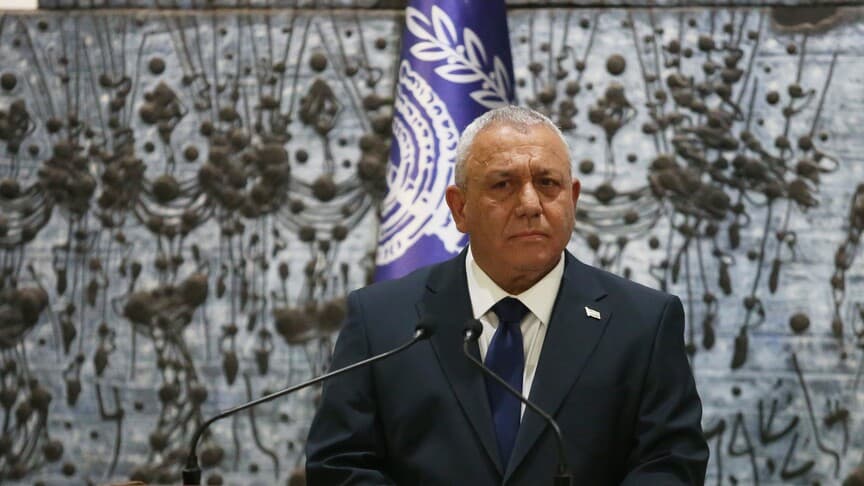
After the parliamentary elections of October 27, in which Benjamin Netanyahu's bloc failed to win a majority, Israeli President Isaac Herzog on November 8 tasked Yashar party leader Gadi Eisenkot with forming a government. Eisenkot has been given 28 days — until December 6 — with the possibility of a 14-day extension. He is holding consultations with parliamentary blocs to secure the majority needed to form a government, while Netanyahu continues to run the country during the transition period.