The key facts
- The Gaza agreement was signed in Sharm el-Sheikh more than a year ago; the ceasefire officially remains in place, but shelling and attacks continue
- About 1,900 Palestinians released in exchange for 20 Israeli hostages — mainly the first stage of the plan has been fulfilled
- According to the UN, from October 27 to November 2, 64 settler attacks were recorded in the West Bank, with 58 Palestinians wounded
What Remains of the Agreement a Year Later
More than a year ago, an agreement aimed at establishing peace in Gaza and rebuilding the enclave was signed in Egypt's Sharm el-Sheikh. Uzbekistan declared its readiness to join the Board of Peace for Gaza's reconstruction: under the plan, participating countries were to allocate certain funds for reconstruction. However, a war subsequently broke out between the US and Iran, and Israel stated that the document had been adopted without its participation and that it did not assume responsibility for it. According to political scientist Farkhod Karimov, the implementation of the agreement was, as a result, effectively frozen.
What Has Been Fulfilled and What Has Not
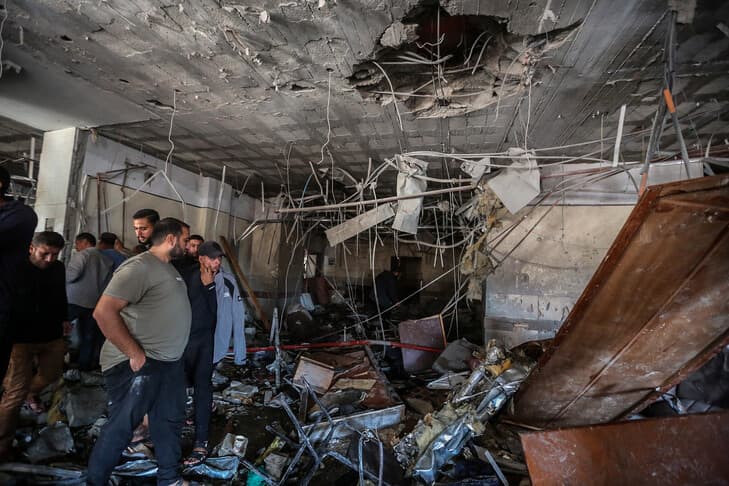
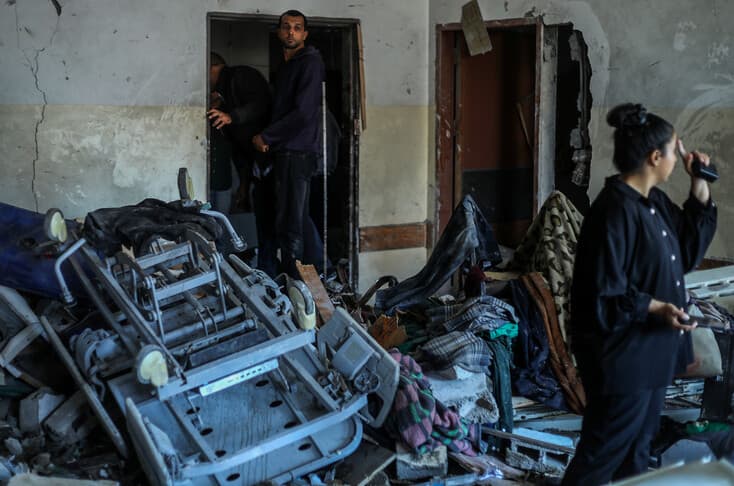
Officially, the ceasefire has not been broken by either Hamas or Israel, but in practice there is no peace in Gaza: attacks occur daily, the death toll is rising, and serious problems persist with the delivery of humanitarian aid. Under the agreement, cargo was to arrive under UN auspices, including through the Rafah crossing, but numerous checkpoints and inspections hinder its delivery to the population. Of the five main provisions of the agreement, essentially only the release of the captives has been fulfilled: Hamas handed over 20 Israelis, including the bodies of the dead, while Israel released about 1,900 Palestinians. Hamas's disarmament has begun but is not complete; a technocratic government exists only on paper — neither Hamas nor the Israeli army has transferred real authority to it; part of the Israeli troops has been withdrawn, but the remaining units maintain control. According to Khikmatilla Kazakbayev, as of November 2026, about 70% of Gaza's territory remains under Israeli control. The reconstruction, which was supposed to begin in January, had not started by November.
The West Bank: Escalation
The situation has also worsened in the West Bank, although the agreement's focus was on Gaza, where, according to the interlocutors, the conflict has claimed the lives of more than 80,000 people. According to a UN report published on November 6, from October 27 to November 2, settlers carried out 64 attacks on Palestinians, 58 people were wounded, 43 of them directly in settler attacks. According to international organizations, from January to November 2026, about 1,300 such attacks occurred in the West Bank; the peak came in October and November — the olive harvest season, when settlers obstructed harvesting and seized land. Although the agreement provided for halting such activities in seven districts of the West Bank, this provision is not being implemented: legal mechanisms are also used — under a 2017 law, houses in a number of Arab areas are declared illegal and demolished.
Elections and Possible Changes
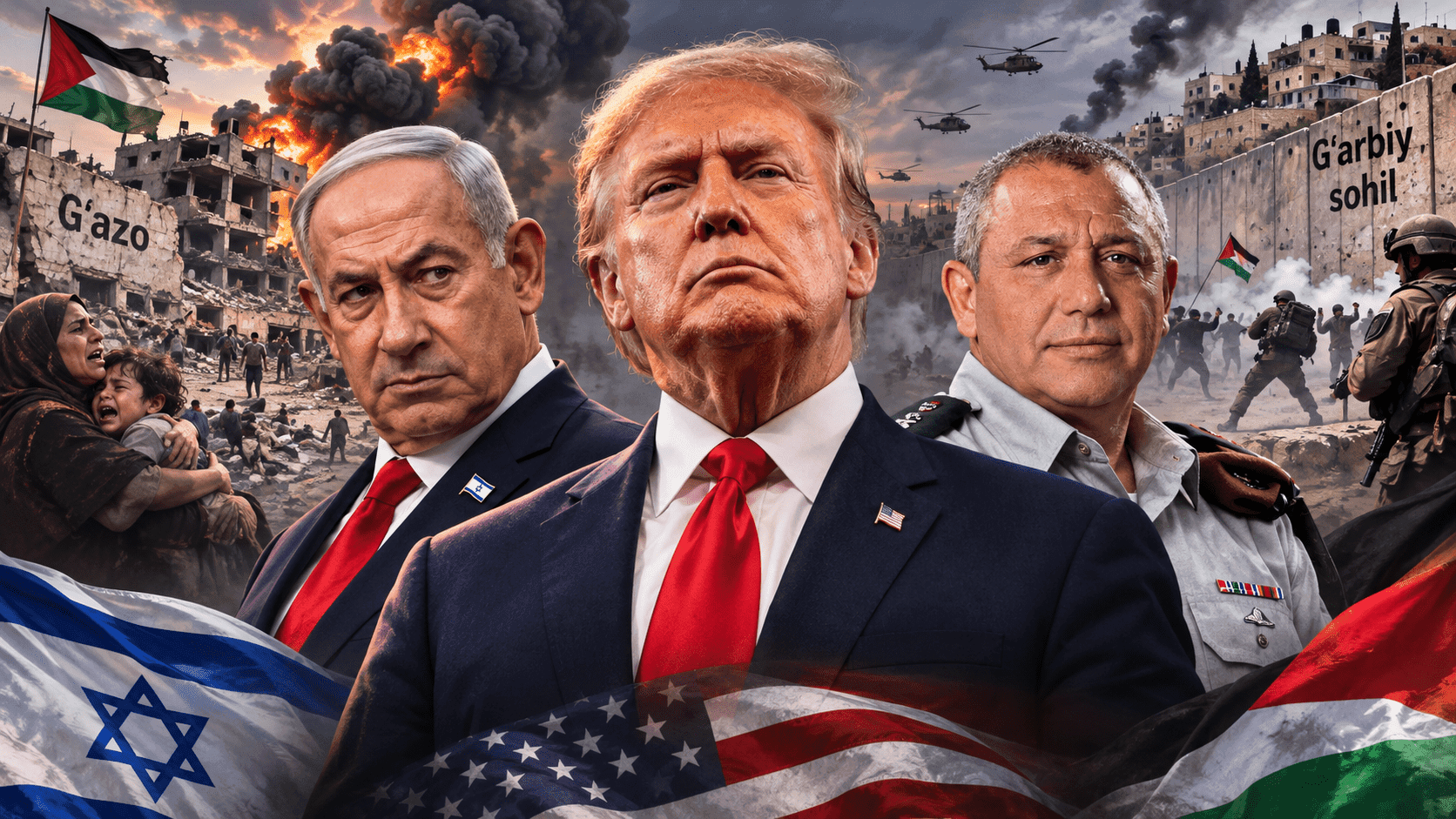
Khikmatilla Kazakbayev recalled that on November 5, at Trump's behest, former British Prime Minister Tony Blair traveled to Israel and met with Netanyahu and Eisenkot to discuss the implementation of the peace plan. The first stage of the plan concluded on January 26, 2026, with the transfer of the body of the last Israeli hostage, after which the process practically stalled. According to the expert, the main reason the plan has not moved to the second stage is that Hamas does not want to disarm, while Israel does not withdraw its troops; without the simultaneous fulfillment of these two processes, a change in the situation in Gaza is unlikely. As for the elections in Israel, Kazakbayev noted that Eisenkot, unlike Netanyahu, advocates restoring relations with Europe and may allow the delivery of humanitarian aid to Gaza by sea, as well as limit the activities of settlers in the West Bank — although his position on the question of a Palestinian state does not differ substantially from Netanyahu's views. These assessments are the expert's forecasts, not established facts.