The key facts
- In Kyiv, blackouts reach up to 20 hours a day; officials consider a minimum of four hours of electricity a day the threshold of resilience
- One of Ukraine's largest power plants was disabled by the most powerful strike of the campaign; restoration — no earlier than the end of winter, per DTEK's head, until the summer
- Since August, attacks on energy facilities occur almost daily, with several people killed each week; Zelensky says the problem is not generation but damaged grids
Kyiv lives by a blackout schedule
Ukraine's power supply is close to a critical threshold: due to intensified Russian strikes on energy infrastructure, rolling blackout schedules are in effect across the country, and in Kyiv some families spend up to 20 hours a day without electricity. BBC correspondent Dan Johnson, working in Kyiv, describes life through the example of Kyiv resident Daryna Kulchytska: in her seventh-floor apartment, light is provided for only a few hours a day and not on a fixed schedule — 'there are two hours of electricity, then eight hours without it,' she says. When the lights go out around 19:30, the elevator and water pumps stop working, and the family sits by flashlights and LED candles until dawn.
The resilience threshold — four hours a day
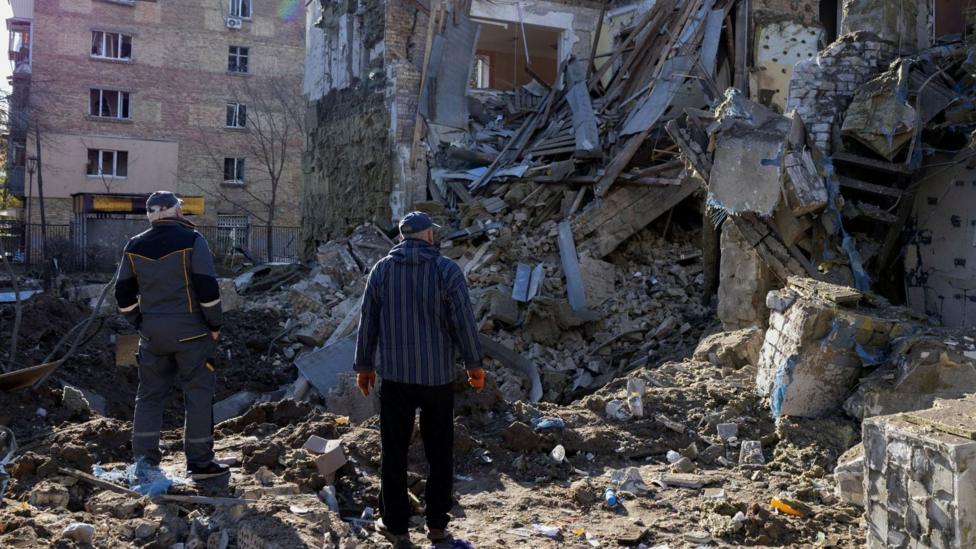
Officials fear that life will become unbearable for millions of Ukrainians if electricity supply cannot be maintained for at least four hours a day; some of them admit in private conversations that this limit is already close. Blackouts were introduced earlier than last winter, and they are already lasting longer. Kyiv has been hit hardest: at certain moments the metro and trolleybuses stopped, and across the country hundreds of thousands of people have been left without power in recent weeks. Many Kyiv residents are leaving the capital or the country to avoid months of cold.
A destroyed power plant and working under sirens
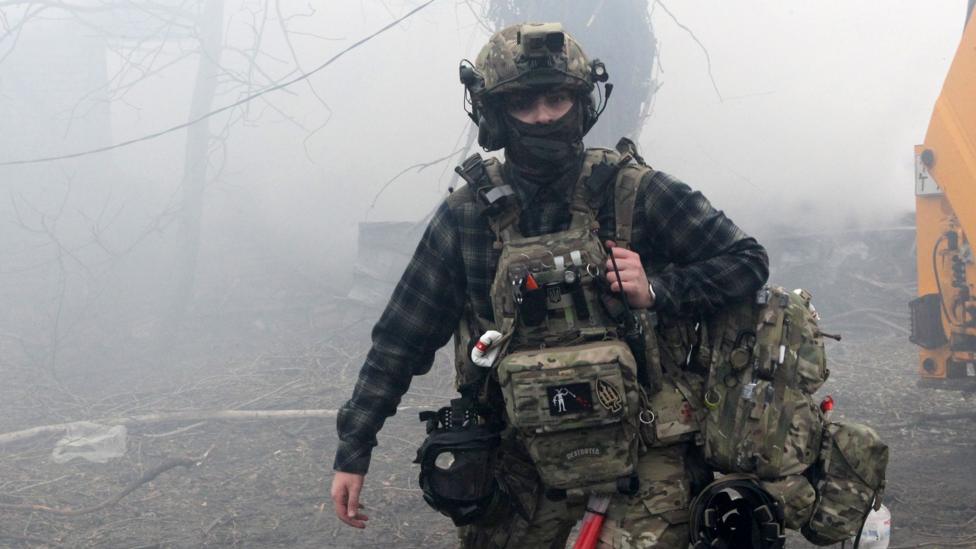
The reason for the strikes is visible at one of Ukraine's largest power plants, which journalists were shown on condition of not naming it for security reasons. After a recent ballistic missile strike — described by reporters who visited the site as the most powerful and destructive of the entire campaign of attacks on the energy sector — the plant turned into a pile of mangled metal and is completely disconnected from the grid. Duty engineer Volodymyr Kovalenko, who has worked at the facility for 25 years, says the plant has never endured such a strike before, but believes it can be restored. The work is complicated by air raid sirens every 15–30 minutes: during a four-hour visit there were seven, and with each one the crews must drop their work and take shelter. Vadym Bobyr, who leads the restoration effort, admits that it is psychologically hard to repair again what has already been repaired once. According to the reporters, the plant will not supply electricity to the grid until at least the end of this winter.
Risks for energy workers and pressure on the grid
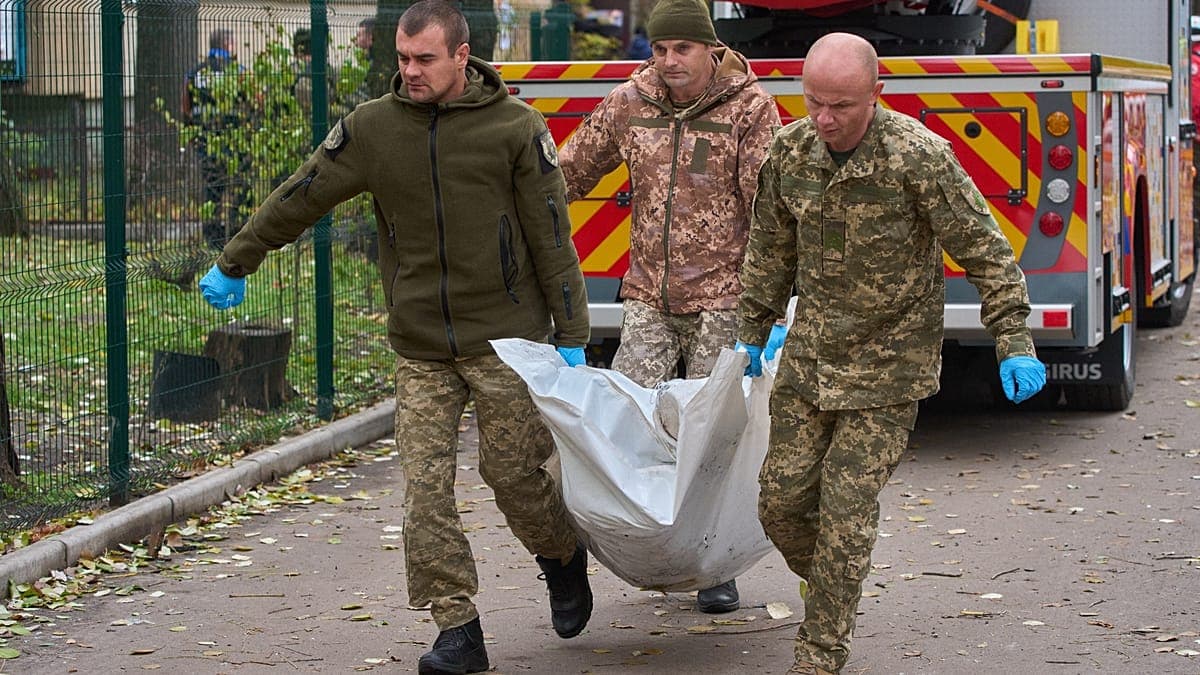
Since August, attacks on energy facilities have occurred almost daily, several people are killed each week, and the danger is growing. President Volodymyr Zelensky said that Ukraine still has enough generating capacity to cover demand — the problem is delivering electricity to consumers, as many lines and substations have been damaged. According to him, Russia is using 'waiter drones' that attach to pylons and cables and remain unnoticed until detonation at a time chosen by the Russian side. Maxim Timchenko, CEO of the largest private energy company DTEK, said that the scale and types of weapons used have doubled compared with last year, and the overstretched air defense system is unable to protect all critical infrastructure. In his assessment, restoring the damaged plant will take no less time than until next summer, because crews working under constant attacks manage to work productively for only one or two hours a day.
Talks against the backdrop of a darkened Kyiv
The crisis is unfolding against the backdrop of ongoing peace talks: on Thursday, US envoys are due to meet with the Russian and Ukrainian leaders. Ukraine, for its part, is responding with strikes on Russian oil refineries. For families like the Kulchytsky family in Kyiv, winter is only beginning: twelve-year-old Kyryl complains that 'electricity has sucked out all the fun,' and his mother Daryna says the strain is affecting her mental health and that her daughter suffers from nightmares. She is torn between the desire to stay close to her loved ones and fears that life will become unbearable, but holds to the view she shared with the BBC: 'Better for us to be without light, but also without the Russians.'
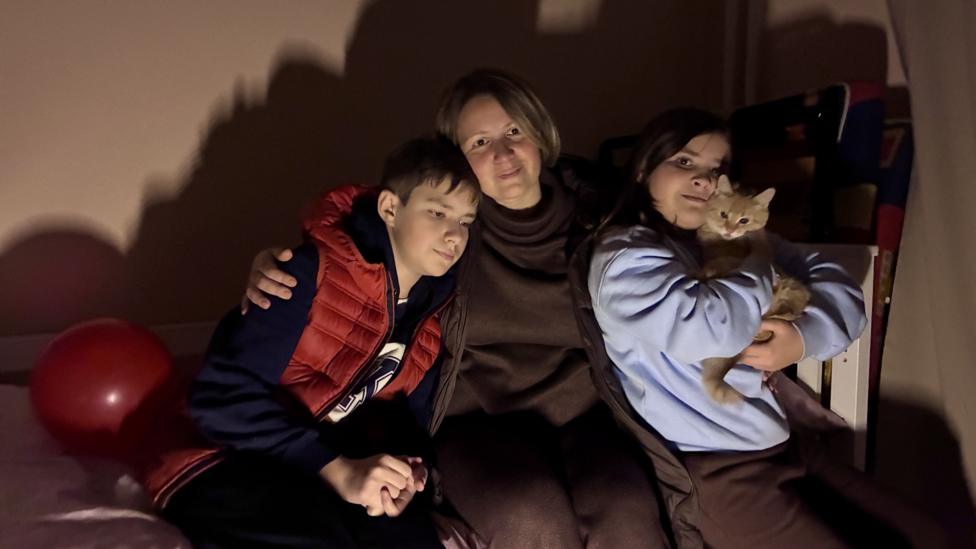 Image source, Daniel Wittenberg
Single mother Daryna Kulchytska has been trying to giver her son Kyryll (left) and daughter Olena (right) as normal a childhood as possible
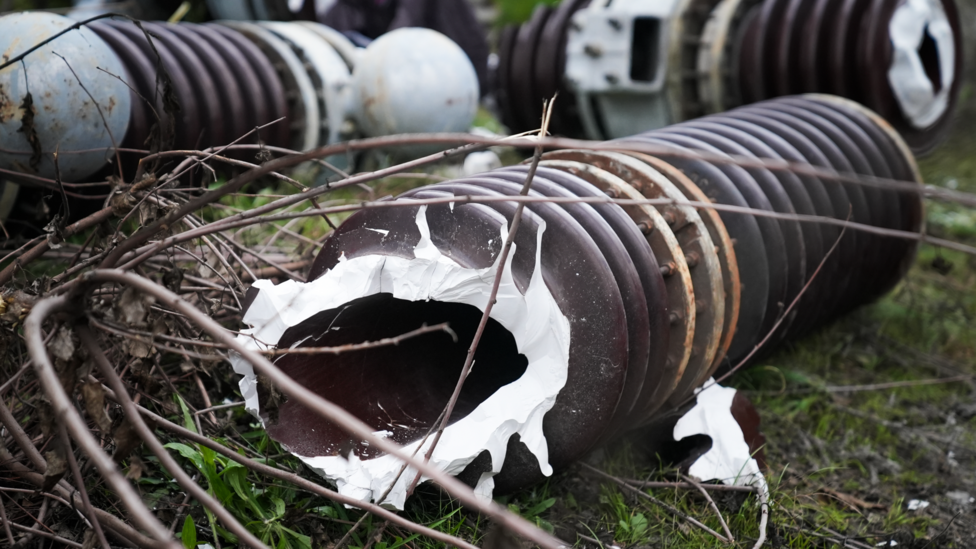 Image source, Matthew Goddard
Damaged parts from the power plant lie scattered on the ground
 Image source, Matthew Goddard
Volodymyr Kovalenko has worked at the power station for 25 years