The key facts
- Zaporizhzhia lies 20 km from the front line; since the beginning of the year, systematic strikes on public transport have been recorded
- External power supply to the occupied Zaporizhzhia Nuclear Power Plant has already been cut off 16 times this year
- More than 200,000 displaced people live in the city; the authorities are reinforcing substations, boiler houses and pumping stations ahead of winter
Strikes on the city and on people
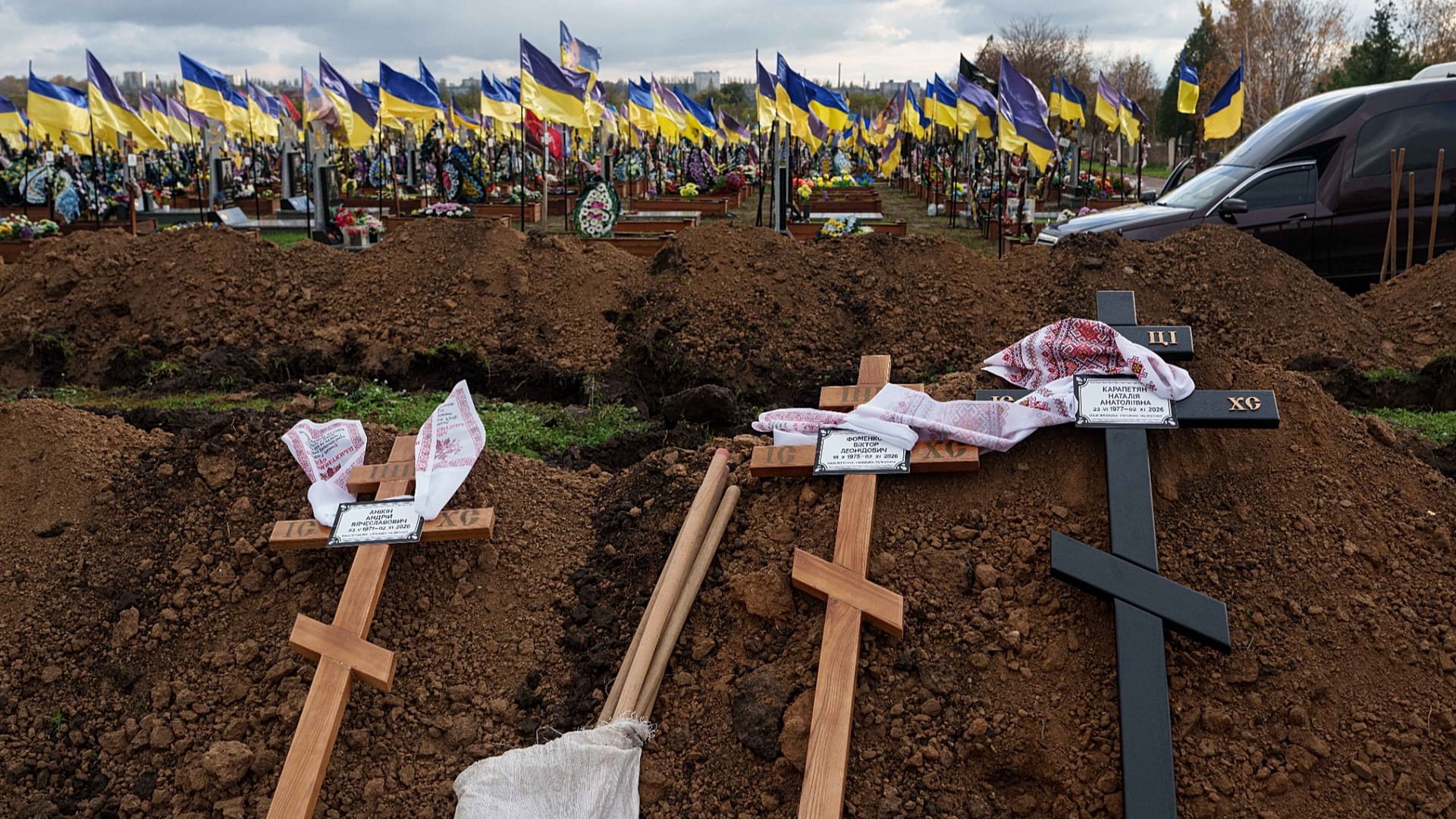
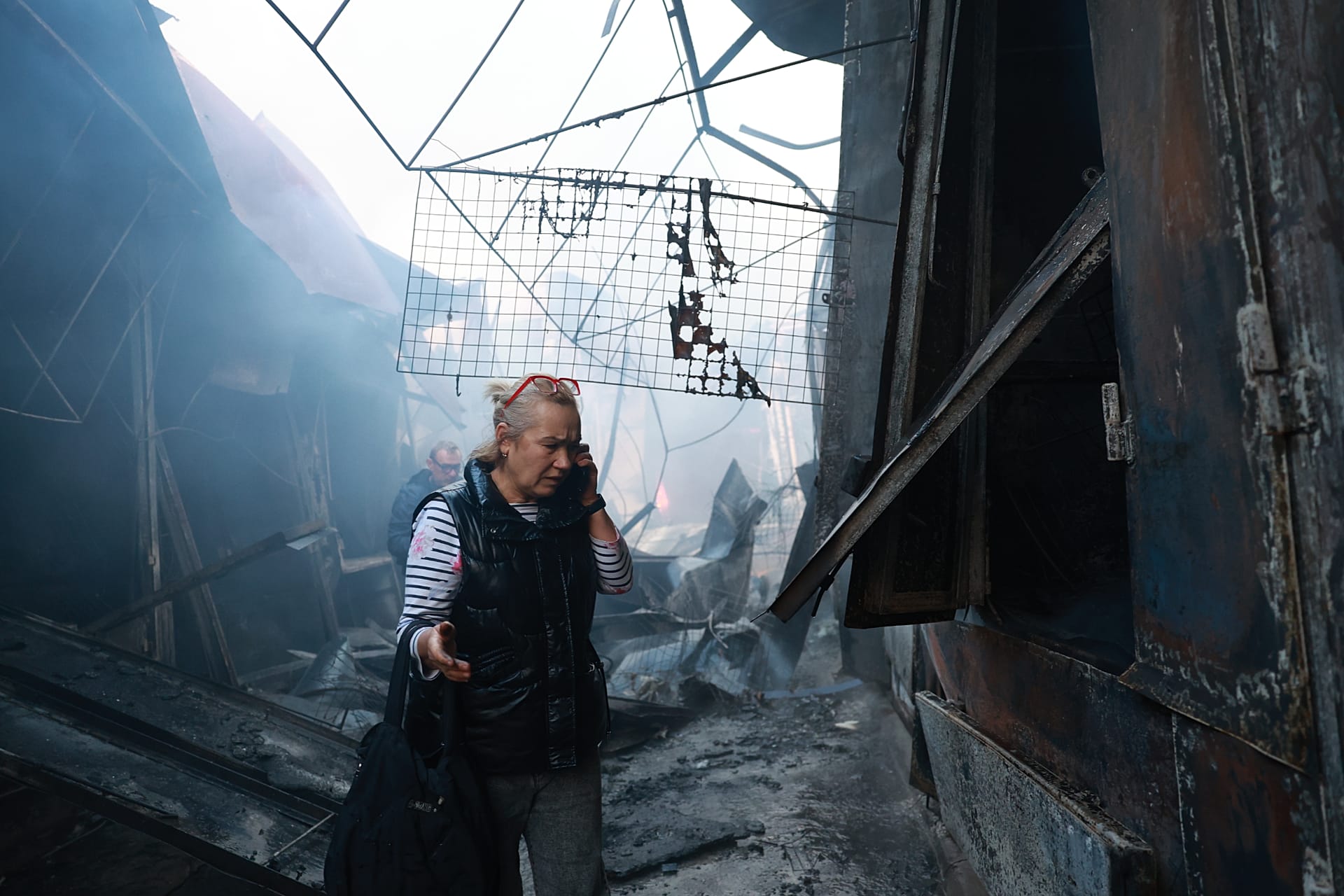
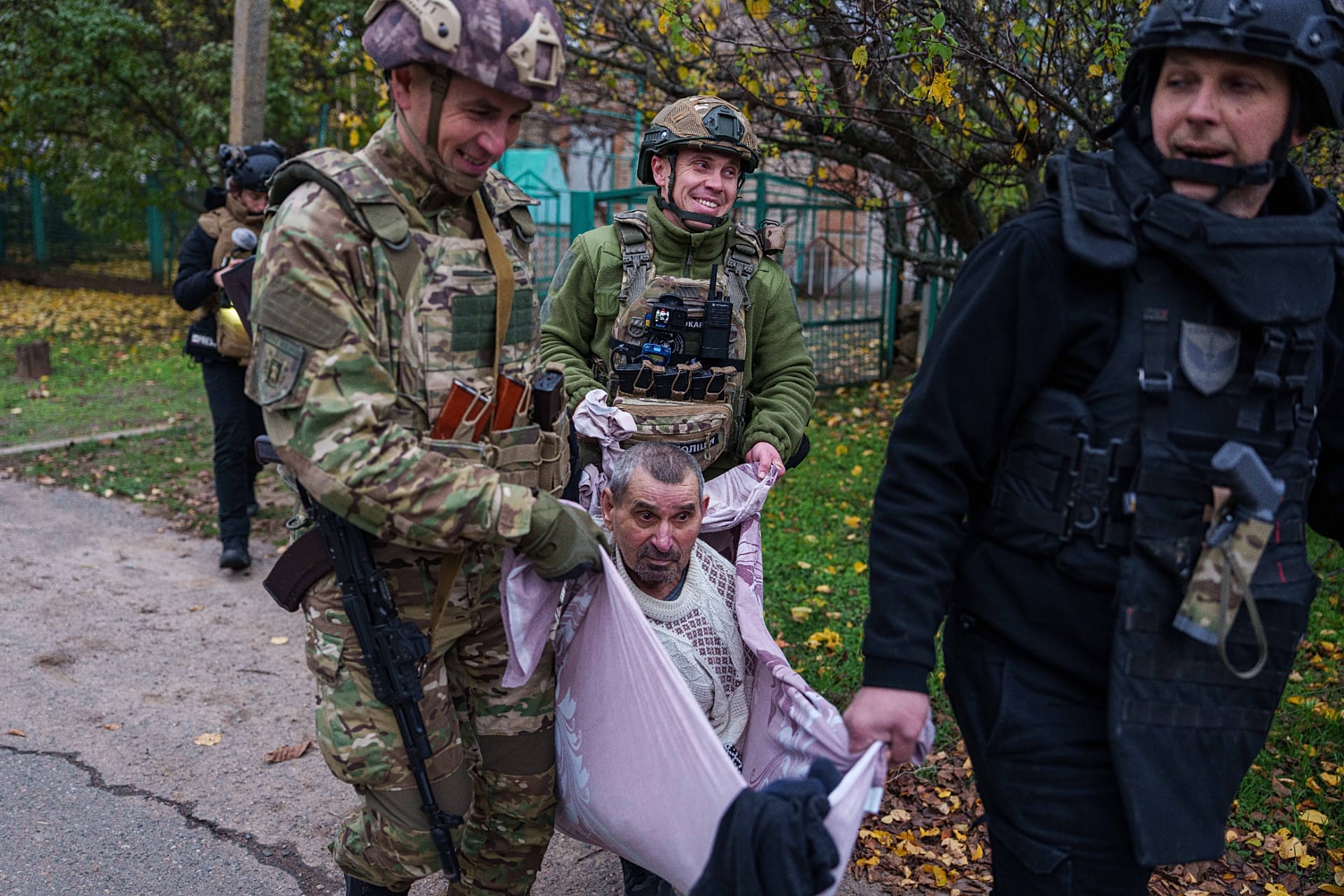
Zaporizhzhia lies just 20 kilometres from the front line, and Russian attacks have become part of everyday life for its residents. In early November, several glide bombs hit an underground school in the village of Komyshuvakha in Zaporizhzhia region, where civilians had gathered to receive humanitarian aid; at least 50 people were killed. In October, a drone struck a minibus at a stop in the city centre — according to the Ukrainian outlet Ukrainska Pravda, three people were injured; four more were hurt in a strike on a bus. Acting mayor of the city Regina Kharchenko described the situation as 'constant life in fear.'
The threat of the nuclear power plant
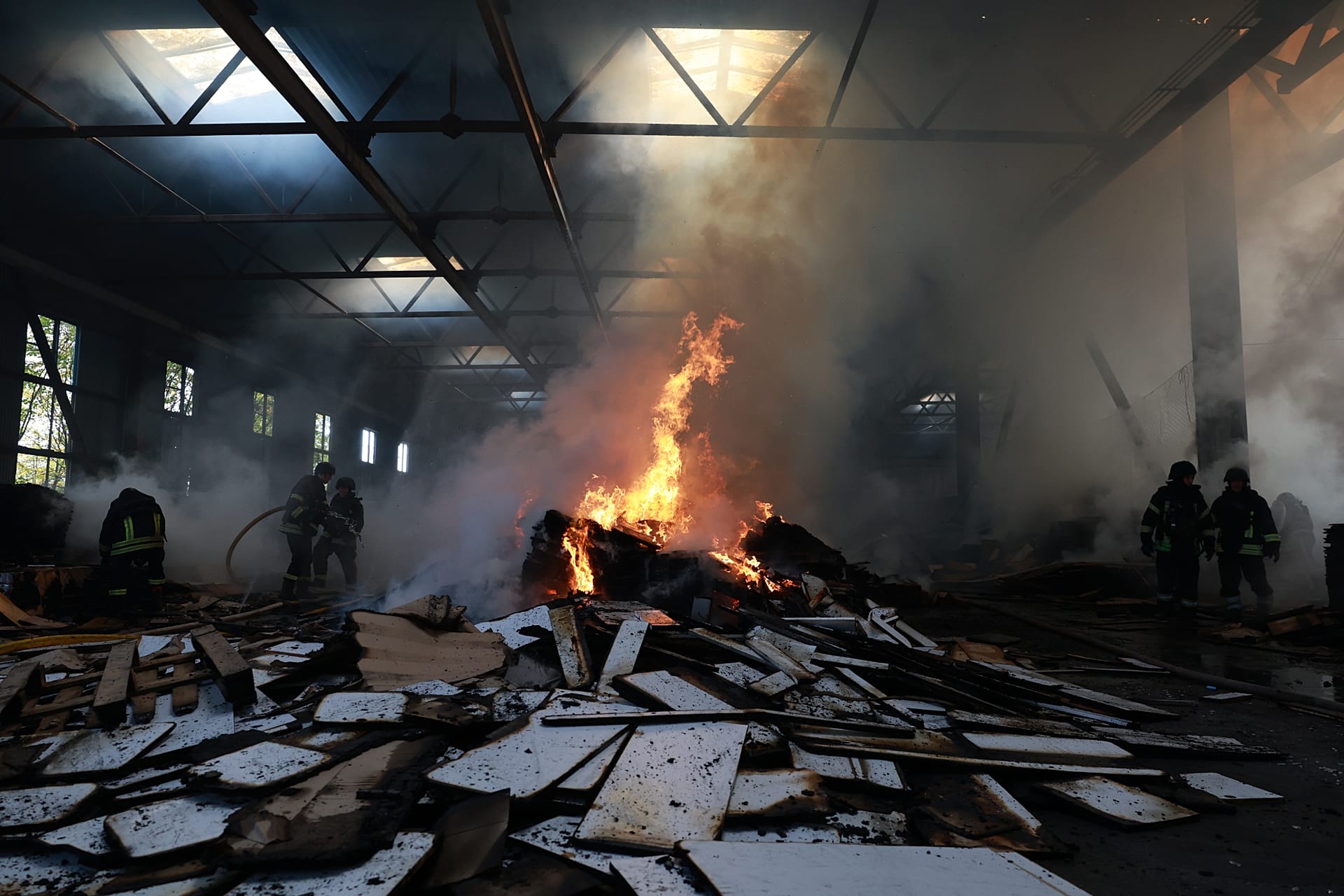
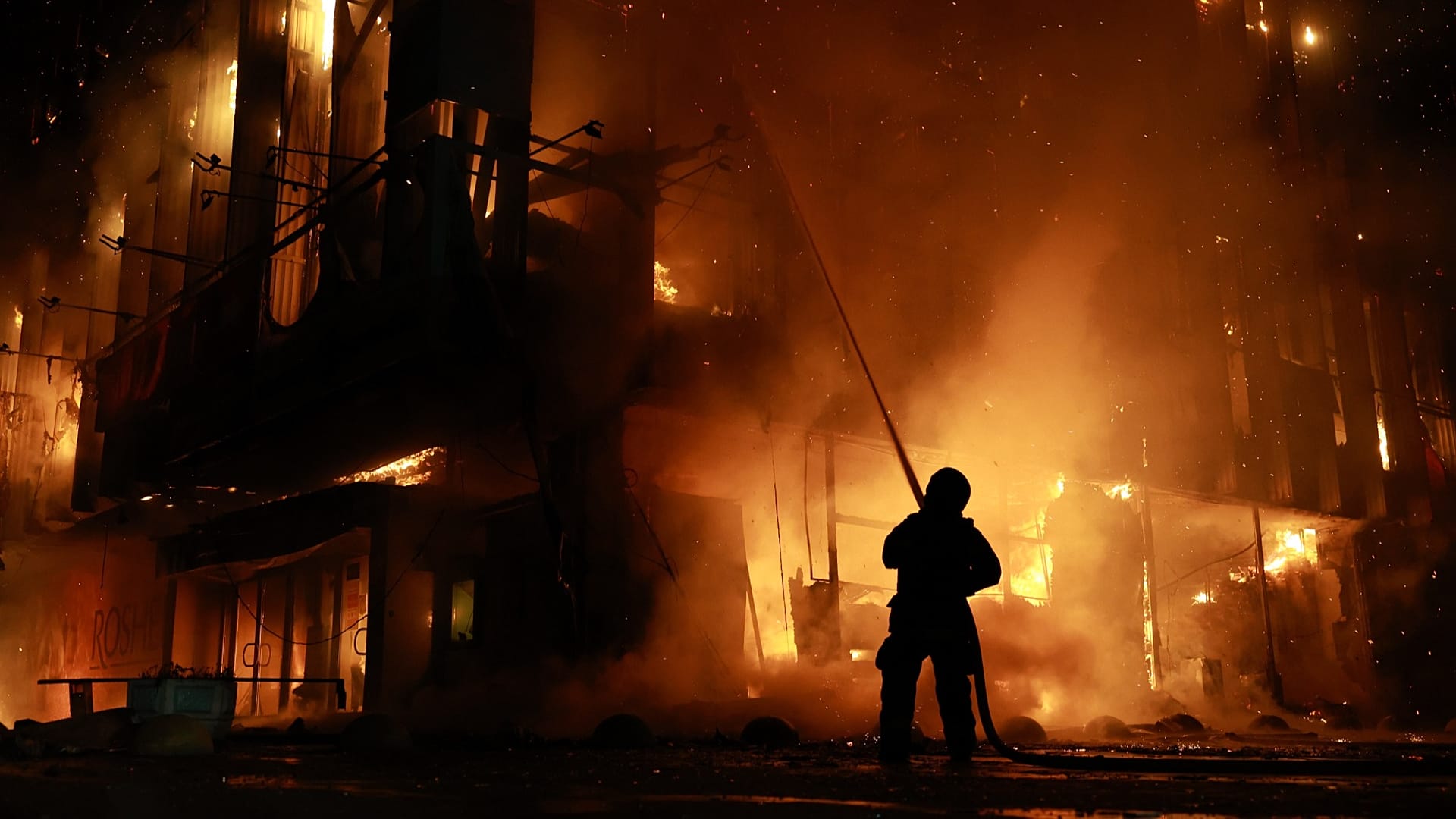
The greatest danger is right outside the city: the Zaporizhzhia Nuclear Power Plant, occupied by Russian forces since March 2022. This year alone, the plant's external power supply has already been cut off 16 times, the most recent case occurring just days before the interview, and cooling once again had to be provided by emergency generators. Kharchenko called the strikes on critical infrastructure terrorism against the civilian population and urged EU countries, the USA and 'all responsible politicians' to prevent a catastrophe that would unfold in the immediate vicinity of Zaporizhzhia.
Preparing for the fourth winter of the war
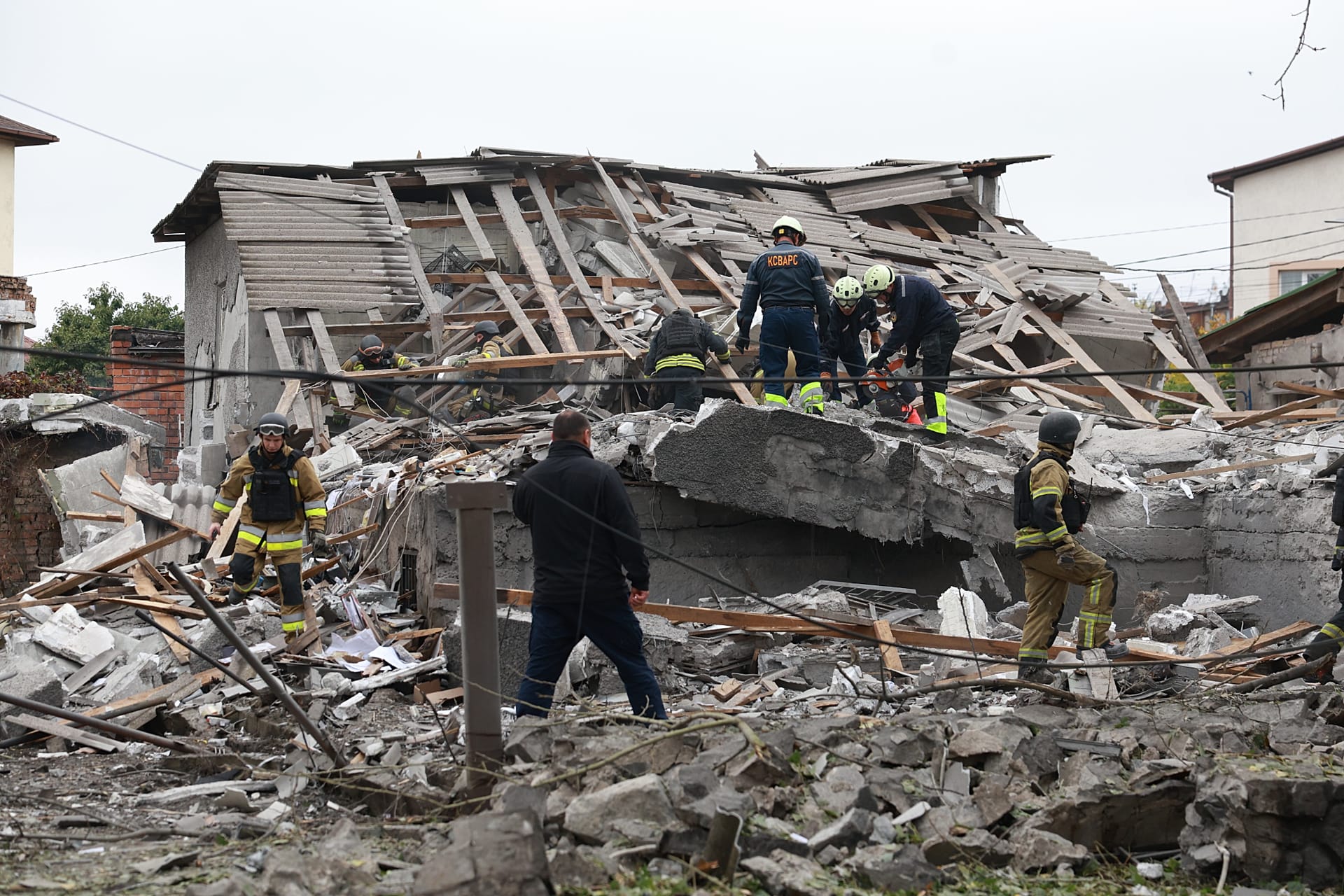
Kharchenko, who has served as acting mayor since April 2024, represented Zaporizhzhia on 11 November 2026 at the 21st Kyiv Dialogue in Berlin — a cross-party German-Ukrainian platform bringing together politicians, media and civil society. According to her, more than 200,000 internally displaced persons live in the city, which is a challenge in itself. The municipality is reinforcing critical infrastructure — substations, heat-generating facilities and pumping stations — and, to protect transport, is installing anti-drone tunnels and mesh in key districts and anti-shatter film on vehicles; the acquisition of buses as humanitarian aid is also being discussed. On the day of the interview, a residential building was damaged in the city with a risk of collapse, and one person was injured.
An appeal to Europe
The mayor thanked the partner cities of Oberhausen and Magdeburg, as well as the German THW and GIZ, for the delivery of equipment and special vehicles for municipal services, and called for support not to be reduced, including projects on military equipment: even in the event of a possible ceasefire, in her view, Ukraine must retain its own effective defence forces. She declined to comment on the possible ceding of occupied territories in exchange for peace, noting that this is a matter at the national rather than municipal level. On the prospects for de-escalation, she said that residents hope to once again 'simply live normal lives,' but the city will still have to remain strong — institutionally and in terms of infrastructure.