The key facts
- Mostafa Sepahvand (41) and Farhad Javadi Manesh (46) found guilty of assisting Iranian intelligence; a third defendant was acquitted
- According to the prosecution, Sepahvand was preparing a 'violent attack' on one of the targets; Manesh was acquitted on that count
- Police presented ChatGPT search history in a state-threat case for the first time; sentencing on 17 December at the Old Bailey
Woolwich Court Verdict
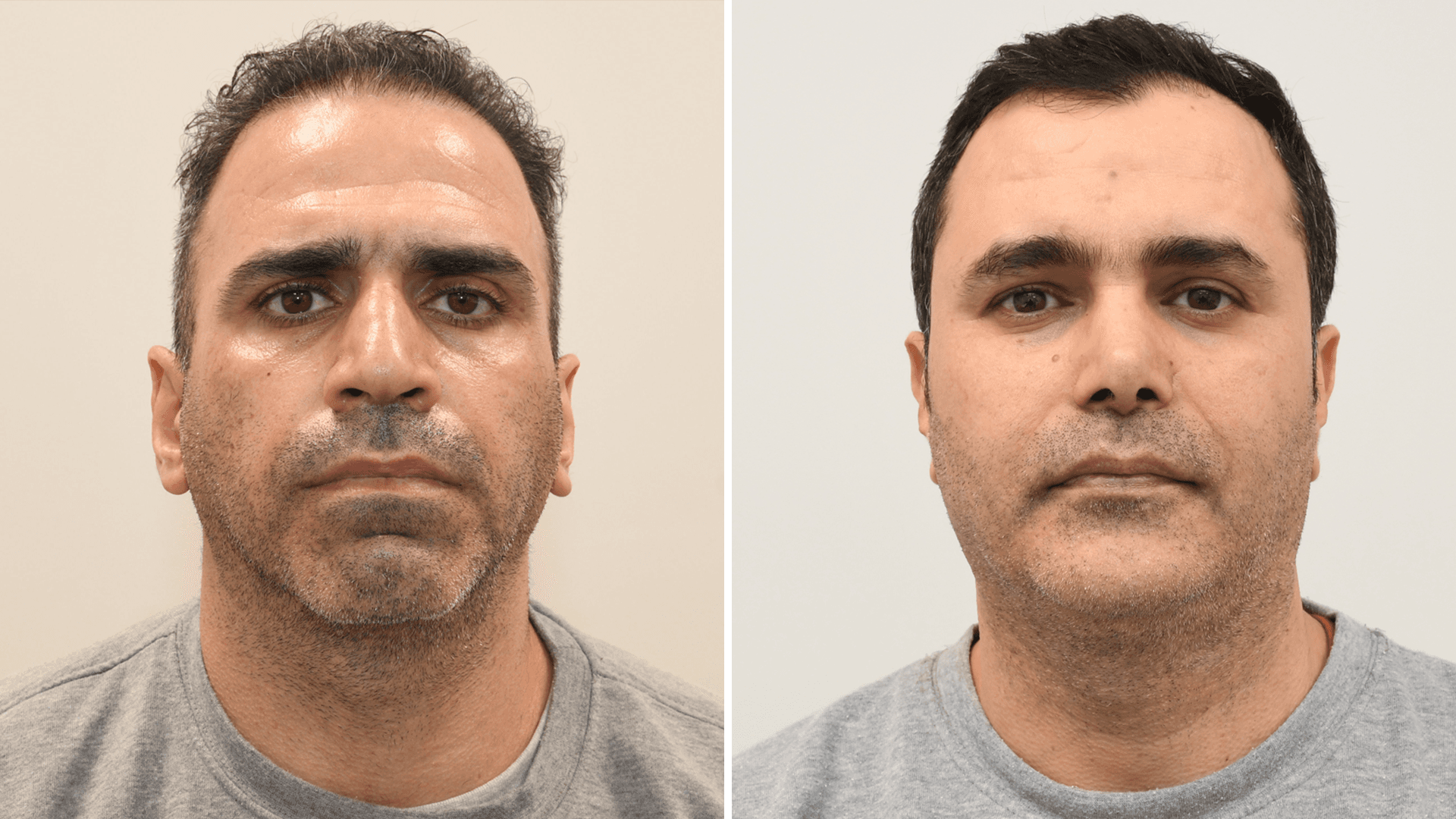
On Thursday, 12 November, Woolwich Crown Court in London delivered a verdict in the case of two Iranians accused of working for Iranian intelligence. Mostafa Sepahvand, 41, and Farhad Javadi Manesh, 46, were found guilty of conduct 'likely to assist' the Islamic Revolutionary Guard Corps (IRGC) after a six-week trial. A third defendant, 57-year-old Shapoor Kalehali Hani Nouri, was acquitted on all counts. Sentencing will take place on 17 December at the Old Bailey.
Whom and How They Surveilled
According to the investigation materials, from August 2024 to March 2025 the defendants, on behalf of the IRGC or 'intermediaries' of Iranian intelligence, conducted surveillance on journalists Mojtaba Pourmohsen and Kambiz Hosseini, who worked for the London-based Persian-language channel Iran International, on lawyer Jonathan Turner — one of the founders of UK Lawyers for Israel — and on a media production specialist. Police seized 534 GB of data: the defendants were given documents with photographs of the targets, their work addresses, car makes and colours, and even the names of their pets; they sought additional information through ChatGPT. The prosecution argued that Sepahvand intended to carry out a 'violent attack' on at least one of the targets and even asked for £150,000 for 'completing' one of them, while Manesh assisted in the planning but was acquitted on the charge of preparing an attack.
First Conviction Under the National Security Act
Police called the verdict the first successful conviction of Iranians under the UK's National Security Act, adopted in 2023 to counter threats from foreign states. Deputy Assistant Commissioner Vicki Evans, the senior national coordinator of counter-terrorism policing, said that ChatGPT search history had been presented in court in a state-threat case for the first time, and noted that such tools are now being encountered increasingly often. Investigators translated thousands of messages in Farsi and used cell tower data to document the surveillance.
Motives and Tehran's Reaction
According to Evans, Sepahvand at times believed that his Iranian handlers were treating him badly and not paying what they had promised; she noted that recruits rarely receive the promised money. Sepahvand claimed he took part in the surveillance out of fear of the consequences of refusing, but the prosecution called this account 'entirely fabricated'; in voice messages he said he had been promised that his conviction for theft in Iran would be 'sorted out'. Prosecutor Frank Ferguson said the case demonstrates the readiness of Iranian intelligence to use intermediaries against critics of the regime abroad. Tehran has repeatedly denied involvement in espionage: Foreign Minister Abbas Araghchi said he was 'shocked' by the arrests in May 2025. A representative of Iran International's parent company Volant Media said the verdict 'does not make the lives of our journalists any safer while the Islamic Republic of Iran continues its campaign of threats and violence against them'. This is already the fourth case since late 2023 related to pressure on the channel; MI5 chief Ken McCallum said in October that there had been more than 50 arrests in a year in Iran-related cases.
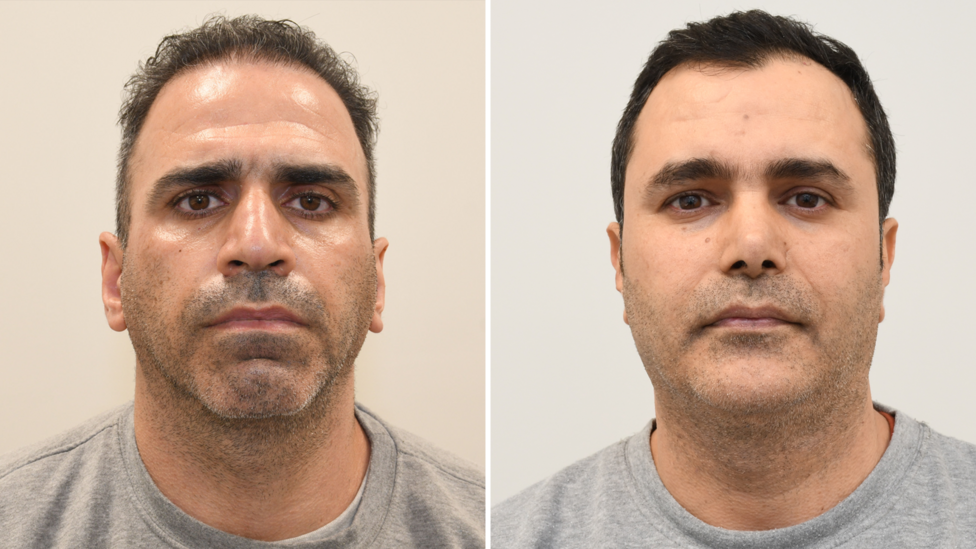 Image source, Press Association
Mostafa Sepahvand (left) and Farhad Manesh were found guilty of conduct likely to assist Iranian intelligence