The key facts
- Martin: the EU has 'made a clear mark' on European security issues amid the war in Ukraine
- Finland and Ireland insist on Europe's seat at the negotiating table
- President of Lithuania: a ceasefire is unlikely in the near future, Russia may be 'buying time'
Dublin summit: a united position on security
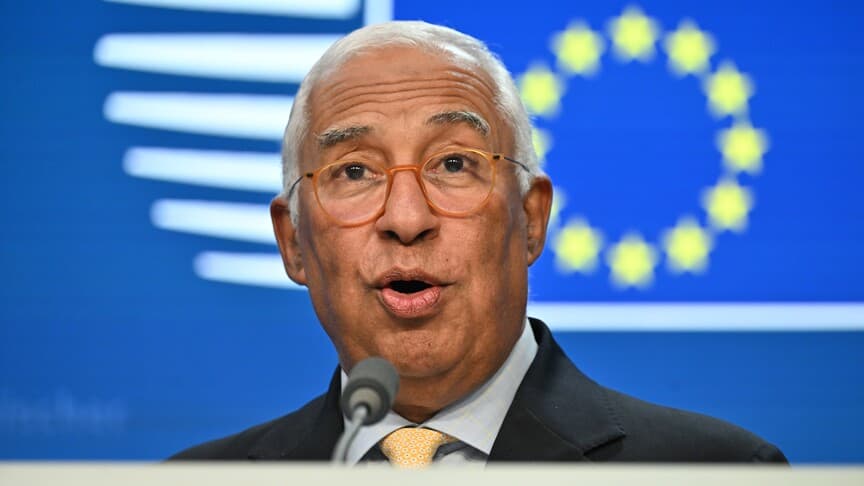
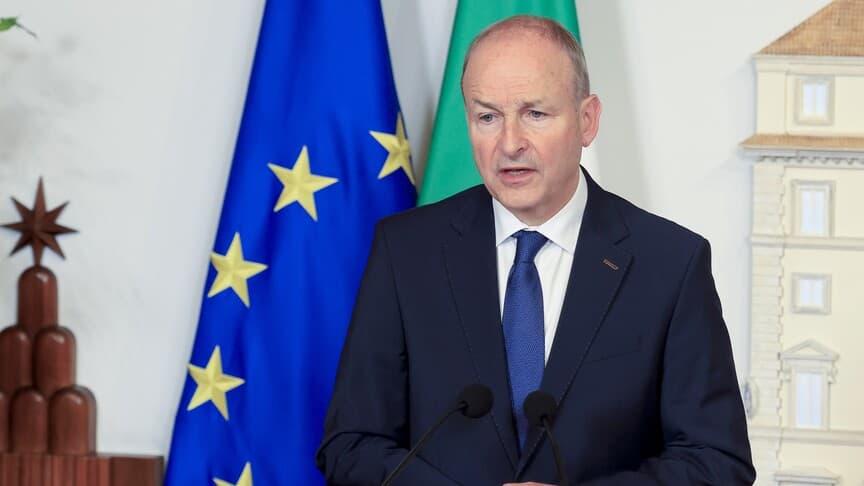
The European Union, according to Irish Prime Minister Micheál Martin,has taken a firm stance on European security issues in response to Russia's war against Ukraine. Speaking to journalists ahead of the European Political Community summit in Dublin, he said the EU had 'shown resilience in the face of aggression' and had 'made a very clear mark' on Europe's security matters, Anadolu reports.
'Existential threat' and the demand for a seat at the table
Martin explained that many European countries feel an 'existential threat' because of the events in Ukraine and 'the potential for further aggression on the European continent should Ukraine fall.' He also stressed the importance of keeping channels of communication open, referring to talks held on Tuesday and Wednesday in Abu Dhabi, the capital of the UAE. In his view, Europe must have a seat at the negotiating table, especially when the discussions concern its economic and security interests. Finnish Prime Minister Petteri Orpo backed this demand: 'No one else can negotiate on our behalf,' he added, noting that support for Ukraine remains priority number one.
Lithuania: a ceasefire is unlikely for now
President of Lithuania Gitanas Nausėda expressed skepticism about an immediate ceasefire. In an interview with the Lithuanian broadcaster LRT, he suggested that Russia may use the talks to buy time: 'These are only the initial stages of negotiations. I still believe that Russia will use the coming winter to torment the people of Ukraine,' and added that Moscow may 'pretend to be negotiating, perhaps even reaching agreement on some secondary issues.' At the same time, he said, a ceasefire must remain 'the main condition for peace talks,' and the European security architecture, shaped by NATO as a transatlantic collective security organization, must be preserved — 'there must be no spheres of influence.'
Gaza on the agenda
Turning to the situation in the Middle East, Martin expressed concern over restrictions on humanitarian aid deliveries to the Gaza Strip. 'The level of blockage of vital humanitarian aid into Gaza is absolutely unacceptable, as is the ongoing violence by settlers, terrorist settlers, who are driving Palestinians off their land in the West Bank,' he said, warning that such actions threaten to undermine 'any potential viability of the two-state solution,' which is the agreed position of the entire EU.