The key facts
- Pezeshkian called the COP31 sideline meetings in Antalya constructive
- He said US attempts to isolate Iran had failed
- COP31 is taking place in Antalya amid ongoing regional tensions
Sideline meetings at the climate summit
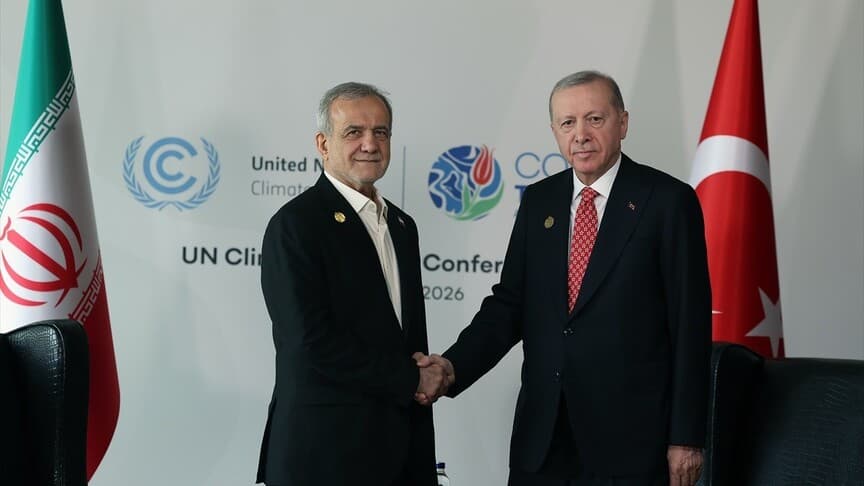
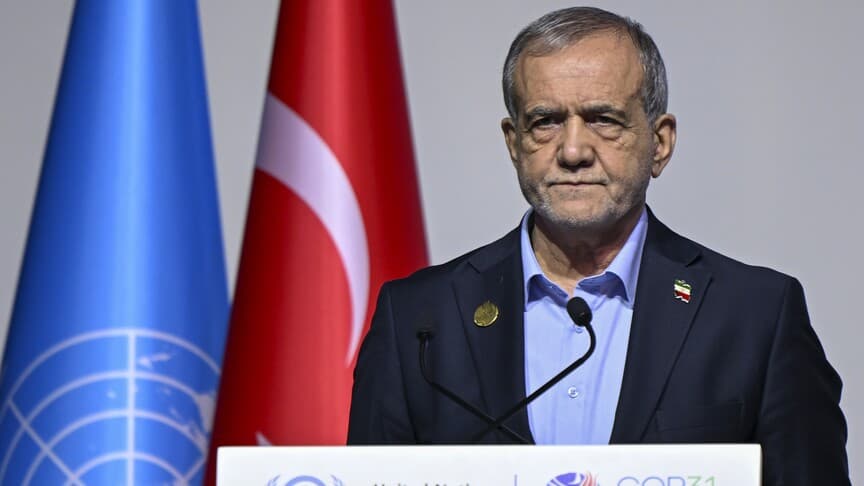
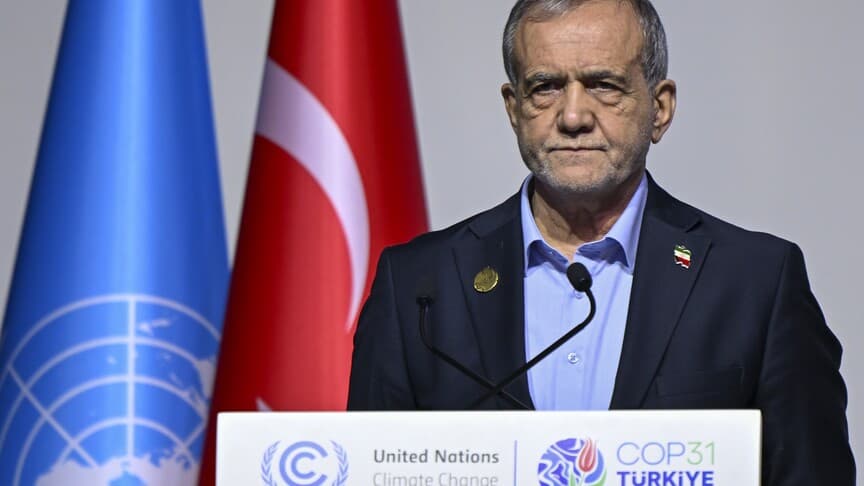
Iranian President Masoud Pezeshkian on Thursday described his meetings with world leaders on the sidelines of the UN COP31 climate summit, currently underway in Antalya, Turkey, as constructive. In an interview with Iran's state broadcaster IRIB, he said he had held reports Anadolu.
Statements on diplomacy and criticism of the US and Israel
According to Pezeshkian, the meetings allowed Iran to present its positions on regional developments and respond to the actions of the United States and Israel. He stated that Washington's attempts to isolate Tehran had failed, and that Iranian diplomacy remains active despite the war and threats. The president also claimed that leaders approached the Iranian delegation for conversations even when the meetings had not been arranged in advance.
Summit context
Pezeshkian criticized the military actions of the United States and Israel in the region, in particular the humanitarian situation in the Gaza Strip, accusing countries that declare their commitment to defending democracy and human rights of violating basic humanitarian principles. He also noted that ordinary people, including in Western countries, do not necessarily support their governments' policies toward Iran, and emphasized that improving living standards and restoring public trust remain priorities for his government.
Background
COP31, hosted by Turkey in the Mediterranean city of Antalya, has brought together world leaders to discuss climate change and international cooperation. The summit has become a venue for diplomatic contacts amid ongoing regional tensions following the start of the US-Israeli military offensive against Iran on February 28. According to Anadolu, Tehran seeks to maintain diplomatic ties with regional and international partners while disagreements with Washington over sanctions, security issues, and the Strait of Hormuz continue to complicate efforts to end the war.