The key facts
- A second wave of bomb threats against Italian schools, signed 'Mikhail Andropov', led to evacuations and checks.
- Prime Minister Meloni convened opposition leaders to develop a unified protocol for responding to cyber threats.
- The opposition demands concrete plans and stronger cyber defenses, refusing to give the government unlimited powers.
Second Wave of Threats and Emergency Summit in Rome
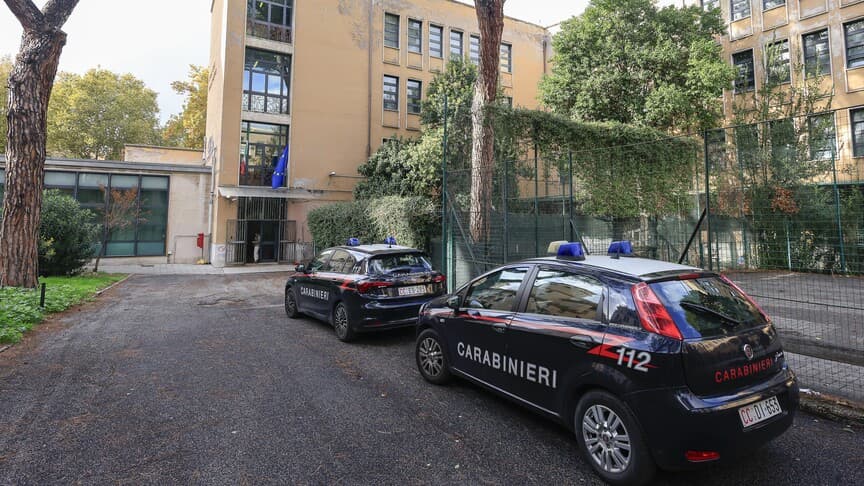
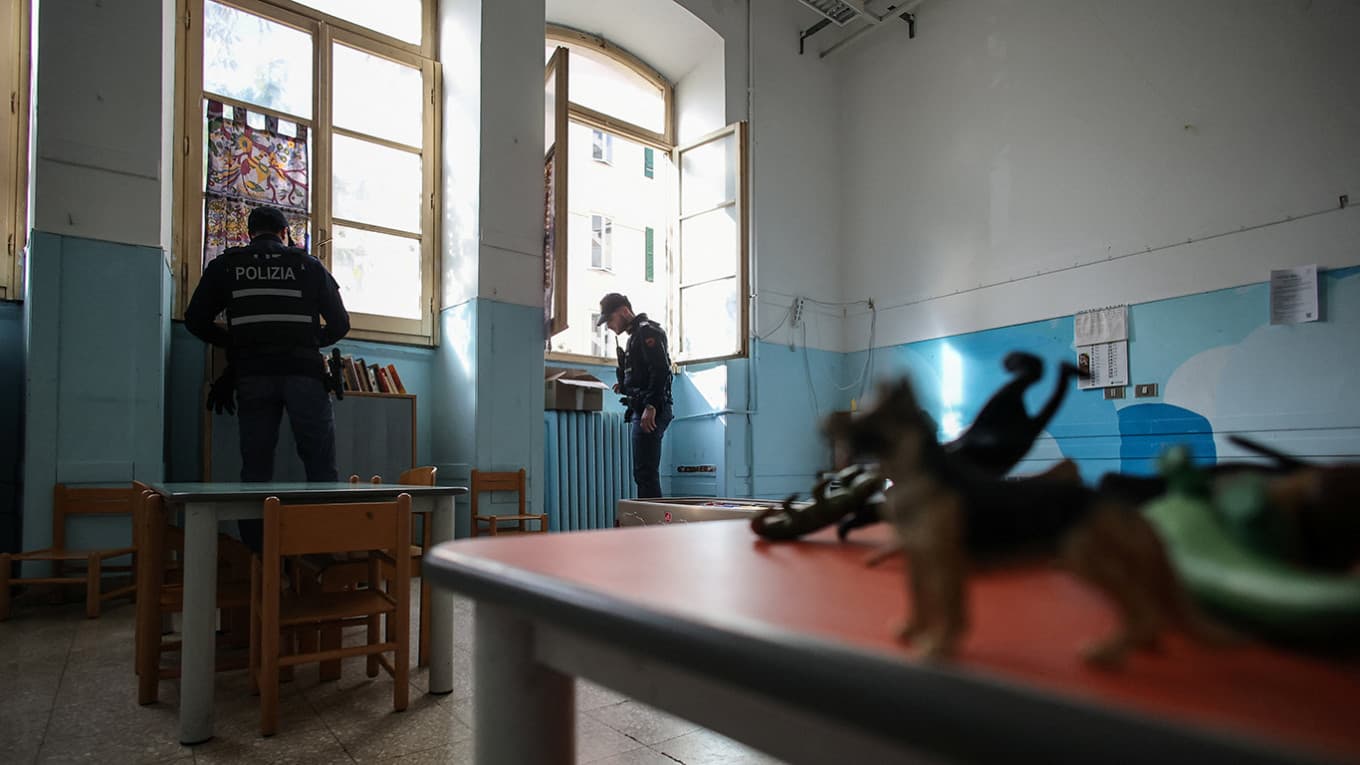
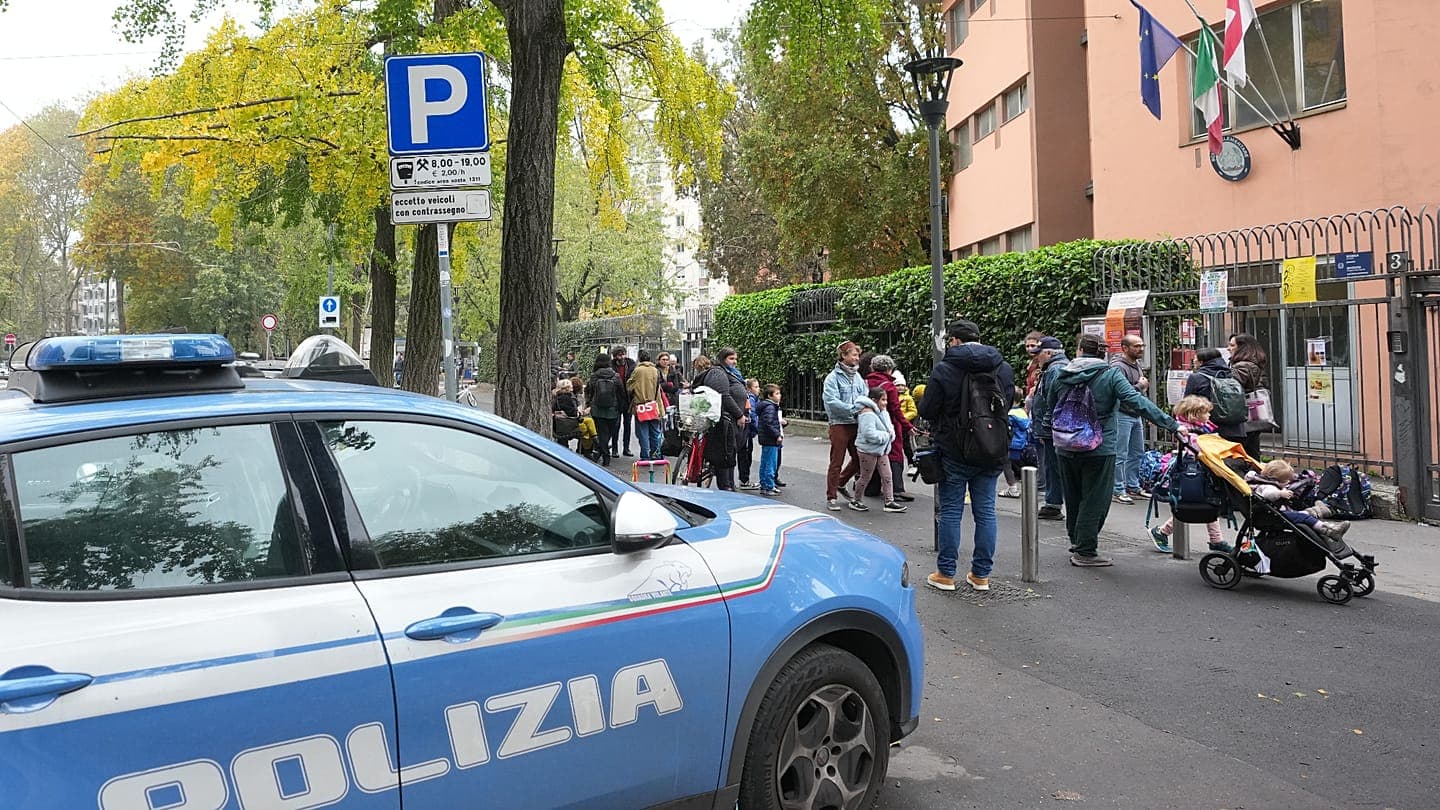
A wave of mass email bomb threats targeting schools continues in Italy: on Thursday morning, new messages arrived at educational institutions, leading to evacuations in some cases and checks in others. The messages are signed with the name 'Mikhail Andropov', the same pseudonym that appeared in letters received by 6,300 schools the day before. In response to the incidents, Prime Minister Giorgia Meloni convened an emergency meeting at Palazzo Chigi with opposition leaders and government members to discuss the emergency situation. The meeting addressed the need to develop a unified protocol of action which, according to the government's statement, should prevent unnecessary school evacuations when only mass letters without specific signs of danger are received, leaving the right to order evacuations to prefects when real risks exist.
The Opposition's Position and Demands for Transparency
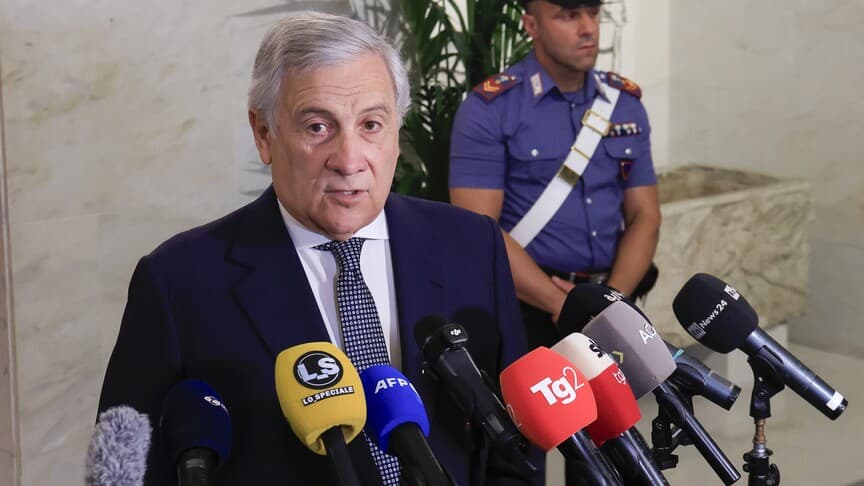
Opposition leaders, including Elly Schlein of the Democratic Party and Giuseppe Conte of the Five Star Movement, expressed willingness to cooperate but demanded concrete proposals and greater transparency from the government. Schlein emphasized that the discussion should continue in parliament and in the Intelligence Oversight Committee (COPASIR), refusing to give the government a 'blank check' for making decisions without detailed plans. Conte noted that the country was paralyzed by yesterday's letters and called for the development of clear protocols and stronger cyber defenses, while the leader of the 'Green Left' party, Nicola Fratoianni, asked why the authorities had failed to prevent the campaign despite similar incidents in the past. The authorities characterized the events as part of a broader campaign of cyber threats and disinformation aimed at destabilization; however, schools resumed normal operations on Thursday.