The key facts
- The Bundesbank published its 2026 financial stability report: the system is resilient, but risks are elevated
- In Q2, nearly 40% of new residential loans involved borrowing of over 90% of the property's value, and around 11% exceeded the value
- Monthly corporate bankruptcies reached their highest level since 2014
Germany's central bank warns of elevated risks
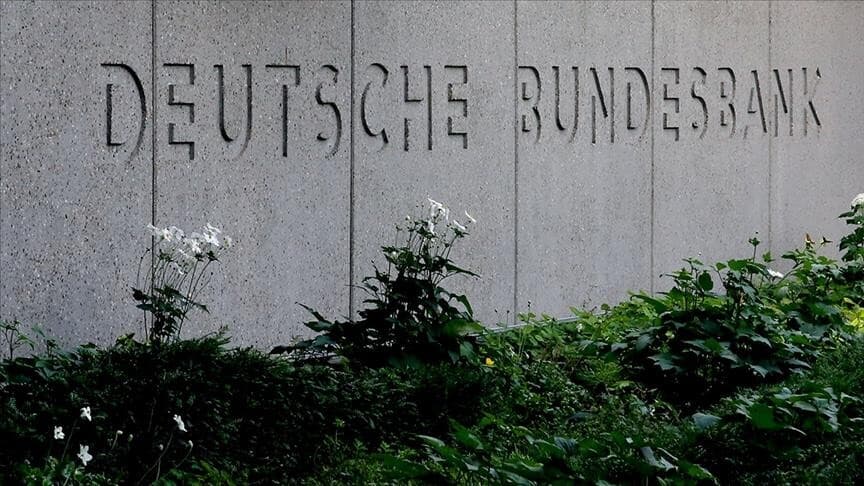
The Bundesbank published its 2026 financial stability report, in which it assessed the risks to the German financial system as elevated. The reasons cited were geopolitical tensions, high asset valuations, and growing pressure on corporate borrowers. The system itself, according to the regulator, remains resilient, but vulnerabilities are linked to real estate financing, rising government debt, and the expanding role of private credit. Bundesbank Executive Board member Michael Theurer, presenting the report in Frankfurt, stressed that financial institutions need sufficient resilience, accessible capital buffers, and reliable data in order to withstand new shocks.
The corporate sector and banks
Growing pressure on German companies is increasingly affecting banks: the monthly number of corporate bankruptcies has reached its highest level since 2014. Additional strain comes from high financing costs, especially for businesses refinancing loans taken out during the period of low rates. According to Theurer, banks have so far absorbed the deterioration, but prolonged economic weakness and structural problems are weighing ever more heavily on their balance sheets. At the same time, the sector continues to benefit from high net interest income and maintains strong capital and liquidity positions — a sharp deterioration in the economic situation could change this.
Risks in the real estate market
The report pays particular attention to residential lending: in the second quarter, almost 40% of the volume of new residential loans accounted for loans exceeding 90% of the property's value, while around 11% were loans above the value of the property itself. Risks in commercial real estate also remain high: a possible rise in rates and sell-offs by real estate funds threaten further price declines. Outflows of funds from German open-ended real estate funds have intensified since mid-2023, as a result of which some funds suspended or restricted the redemption of shares; forced sales of properties could increase pressure on the market.
Cyber threats and the regulator's recommendations
The Bundesbank warned that artificial intelligence and hybrid threats increase the risk of cyberattacks on critically important financial services. Theurer called for measures against banks' concentrated exposure to individual states — up to additional capital requirements or concentration limits — for simplifying financial regulation without weakening banks' resilience, and for making capital buffers more accessible in periods of stress. In his view, more active data sharing and supervision of investment funds and private credit are also needed so that risks do not spread across the entire financial system.