The key facts
- Arab League Secretary-General Nabil Fahmy held the Houthis responsible for the consequences of supply restrictions to Taiz
- Hospitals in the city report acute shortages of fuel, oxygen, medicines and medical supplies
- According to the UN, about 140,000 displaced people have arrived in the province since the beginning of August — more than 40% of the roughly 330,000 displaced across all of Yemen
Arab League Warning
Arab League Secretary-General Nabil Fahmy said that the continued blocking of vital supplies to the southwestern Yemeni province of Taiz could lead to a humanitarian catastrophe, and called on the Houthis to immediately lift restrictions on the delivery of aid. In a statement published on the league's website, he expressed 'deep concern over the deterioration of the healthcare situation' in Taiz, noting that hospitals are facing acute shortages of fuel, oxygen, medicines and pharmaceuticals.
Threat to Hospitals and Patients
According to Fahmy, the shortage threatens the shutdown of basic services, including the operation of incubators for premature and newborn babies. He stressed that the blocking of supplies 'directly endangers the lives of children and patients,' and that depriving civilians of medical care and humanitarian support is unacceptable. 'Saving lives cannot be postponed or subordinated to any political or military calculations,' the secretary-general said, holding the Houthis responsible for the humanitarian consequences of the restrictions. He also called for safe passage for patients and medical personnel, investigations into violations and accountability for 'anyone found guilty of blocking humanitarian aid or intimidating civilians,' and urged humanitarian organizations to promptly provide hospitals with supplies of fuel, oxygen and medicines.
UN Data on the Situation in the City
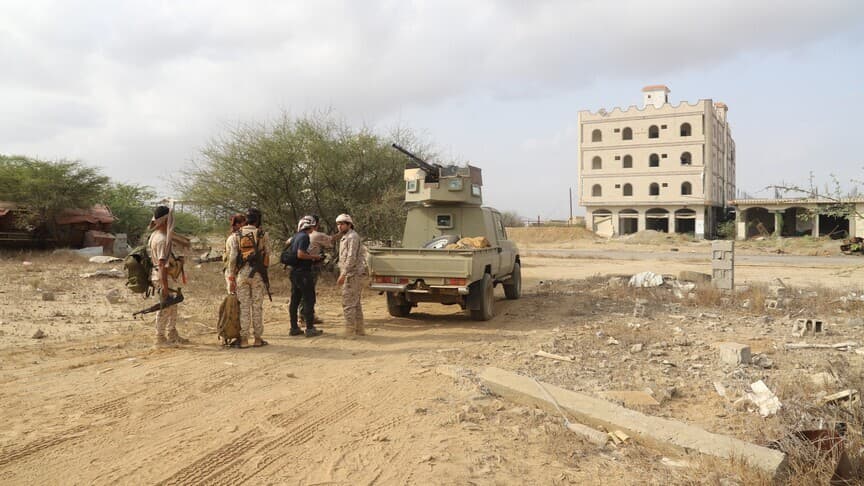
The day before the Arab League statement, the UN Office for the Coordination of Humanitarian Affairs (OCHA) warned of a deteriorating humanitarian situation in the city of Taiz due to the blocking of vital supply routes and the growing strain on basic services. According to the office, roads into the city from areas controlled by the internationally recognized government of Yemen remain cut off or closed due to fighting, preventing the delivery of relief cargo and commercial goods. Since the beginning of August, the province has received about 140,000 displaced people — more than 40% of the roughly 330,000 people displaced across all of Yemen during the same period.
Context of the Escalation
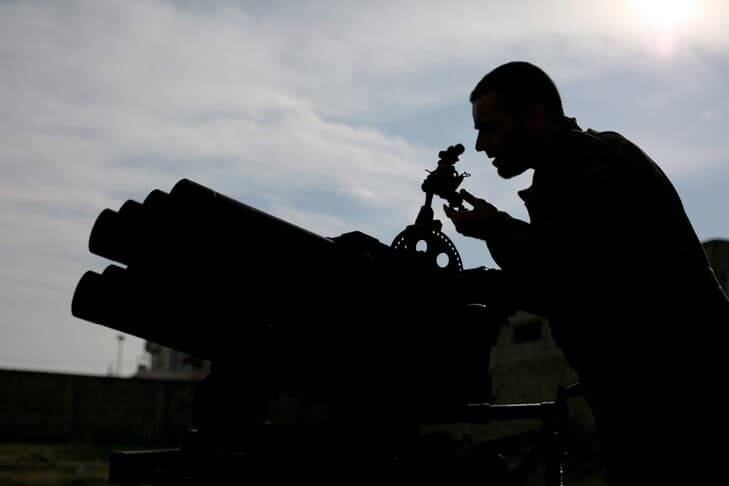
The escalation is part of a broader military buildup that began in July and is considered the largest since the relative lull following the truce that started in April 2022. Yemen itself has been mired in conflict since September 2014, when the Houthis seized the capital Sanaa and other provinces, leading to civil war; in March 2015, a Saudi Arabia-led coalition intervened in support of the internationally recognized government.