The key facts
- Nvidia shares lost about 9.5% over two days: 4% on Monday and 5.47% on Tuesday
- The board of directors hired the law firm Wachtell, Lipton, Rosen & Katz for the investigation
- Experts consider the key question to be what Huang knew about the suspicions and when he told the board
Stock decline and the start of an investigation
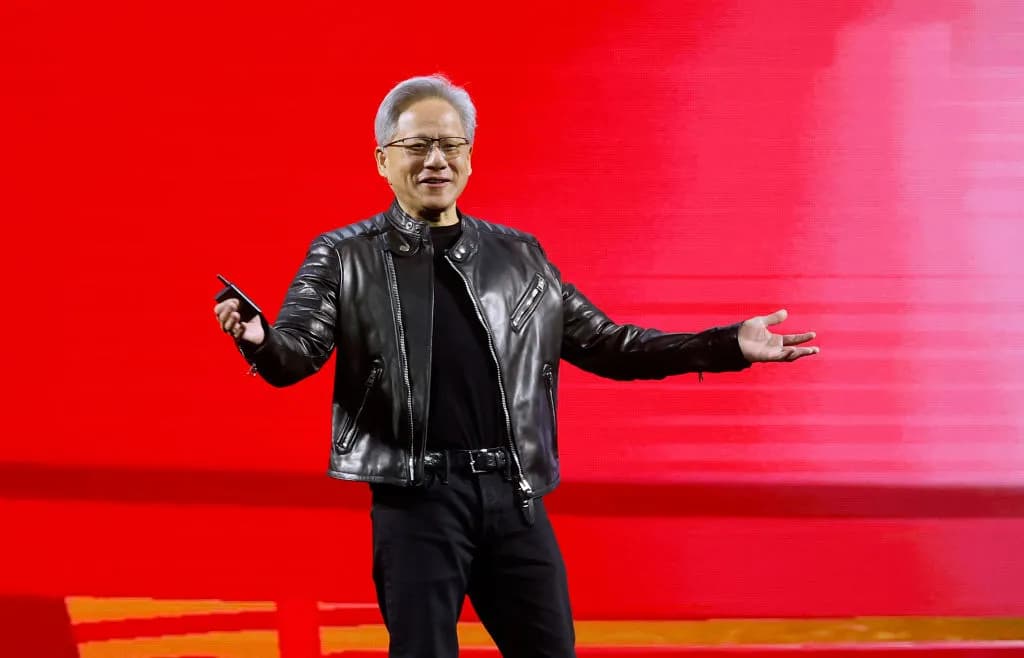
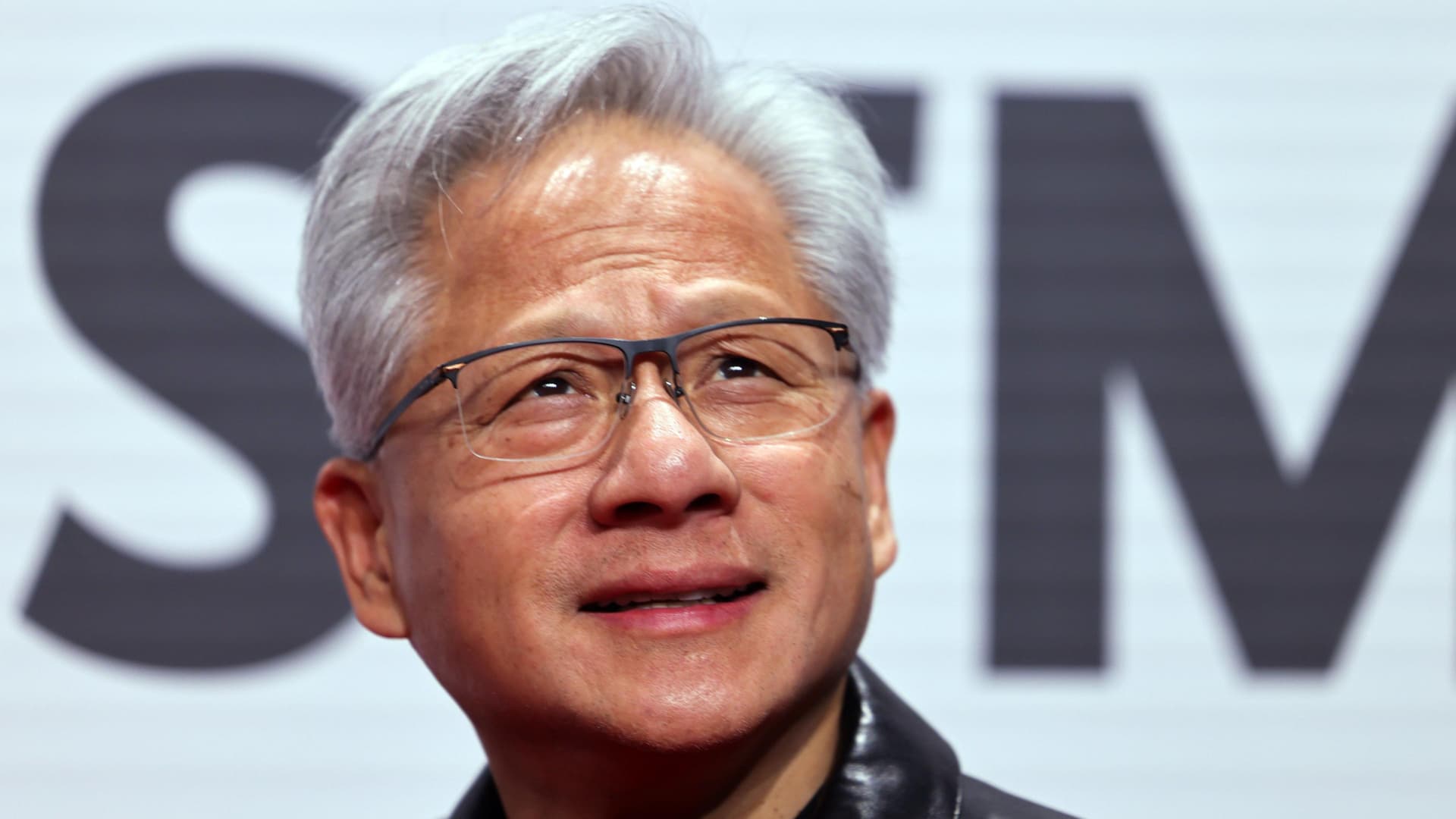
Nvidia shares fell 5.47% on Tuesday after dropping 4% on Monday — a total of about 9.5% over two days, even though almost no new corporate news came out. The reason is the scandal surrounding the company's founder and CEO Jensen Huang, who, according to reports, admitted to an extramarital affair with Alisa Huang, a former top executive at Nvidia client Megaspeed whom US intelligence agencies consider a Chinese agent. TechCrunch reports this, noting that Huang is trying to conduct business as usual.
What the investigation should establish
The main development was that Nvidia's board of directors hired the law firm Wachtell, Lipton, Rosen & Katz to conduct an investigation. Corporate governance professors Ann Lipton of the University of Colorado and Todd Henderson of the University of Chicago note that there are virtually no real precedents for a situation where a CEO falls into a suspected honey trap: there have been cases of affairs and harassment, but not with potential national security damage. Lipton identifies three lines of inquiry: whether the law was broken, whether Nvidia's internal policies were violated, and whether the board of directors was misled — how candid Huang was and when he learned of the suspicions.
The key question: what and when did Huang know
As Wired reported on Monday, Huang hired a PR firm specializing in sex scandals a year ago already — it is unclear whether this was connected only to the affair, and it is unknown when he learned that Alisa Huang was a suspected spy. Henderson describes two scenarios: in the first, the CEO hires a PR firm because of the awkwardness of the romance, not knowing who the woman is; in the second, he knows about the suspicions. «If I were a board member of a company with very sensitive technology, I would be furious if I were not told about this,» he said, adding that concealing from the board the fact of an affair with a Chinese spy looks to him like a «fireable offense.» The board itself said in its Sunday statement that Nvidia has «no reason to believe that national security or Nvidia's secrets were compromised».
Legal risks and a loyal board
Lipton expects two types of shareholder lawsuits. The first is securities fraud, which «boils down to lying»: Nvidia, as TechCrunch has already reported, is already facing a proposed class action, which claims that the company and Huang misled investors by describing the Megaspeed deals as routine. The second type is a derivative lawsuit for ineffective management under Delaware law, where Nvidia is incorporated — it is much harder: shareholders first need to prove that the board of directors is incapable of resolving the problem on its own. Meanwhile, Nvidia's 10-member board, as the New York Times notes, has a reputation for being loyal and deferential to Huang, which makes the investigation announced by the «independent» directors with outside lawyers especially telling.
Nepotism, succession, and the structure of power
Even if Huang's job is not at risk, the scandal highlights other governance problems. Nvidia is built on a «flat» model — the CEO has more than 60 direct reports — and apparently has no succession plan, which Lipton called «a danger for any company.» Huang's children also work at the company: son Spencer is director of product, daughter Madison is senior director of product marketing, and son-in-law Nico Caprez is in business development. Lipton called hiring the children «bad corporate hygiene,» and Henderson added that the idea of handing the post to a child at a public company of Nvidia's scale «seems insane.» At the same time, according to TechCrunch, Nvidia has no dual-class shares: Huang owns about 3.6% and does not control the votes, which makes him «easier to remove» and leaves the board more options for action.