The key facts
- Huang admitted the infidelity and said he supports the Nvidia board's independent investigation
- The US and Singapore previously investigated Megaspeed over suspicions of reselling chips to China
- Trump publicly backed Huang; three Republican committee chairs requested a closed briefing
Confession and investigation
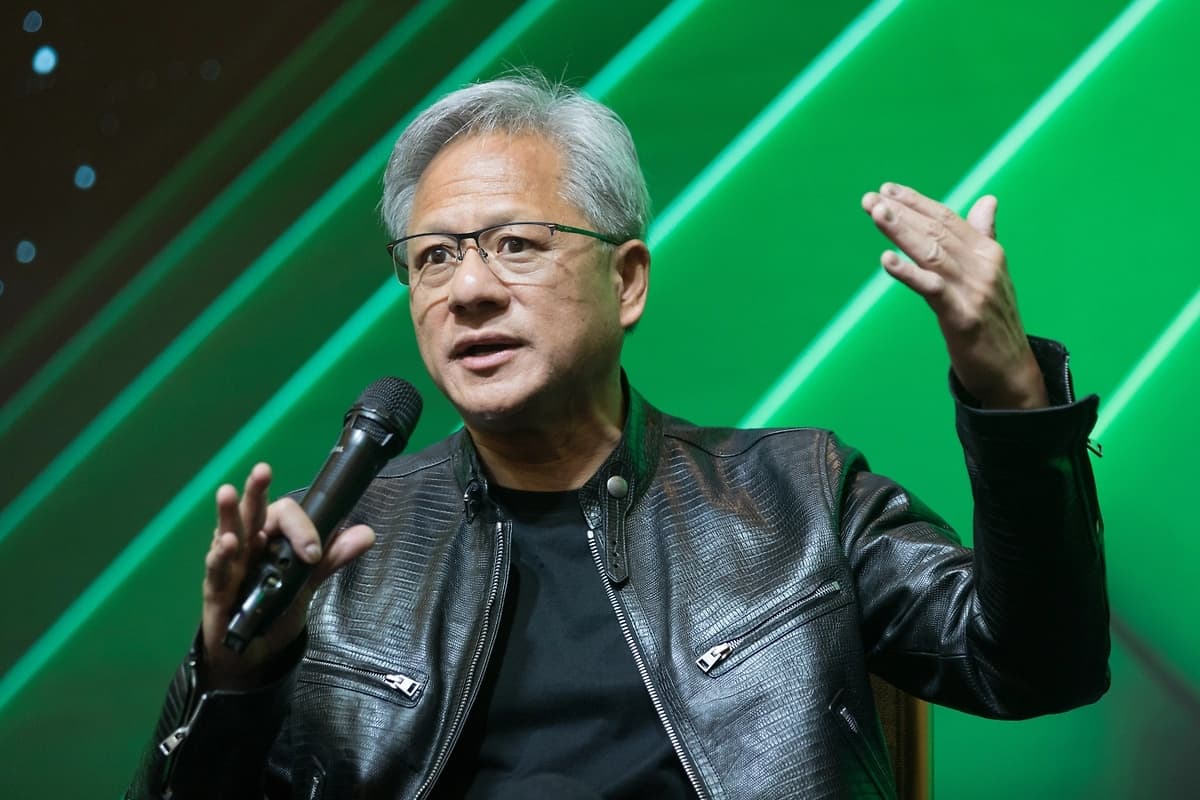
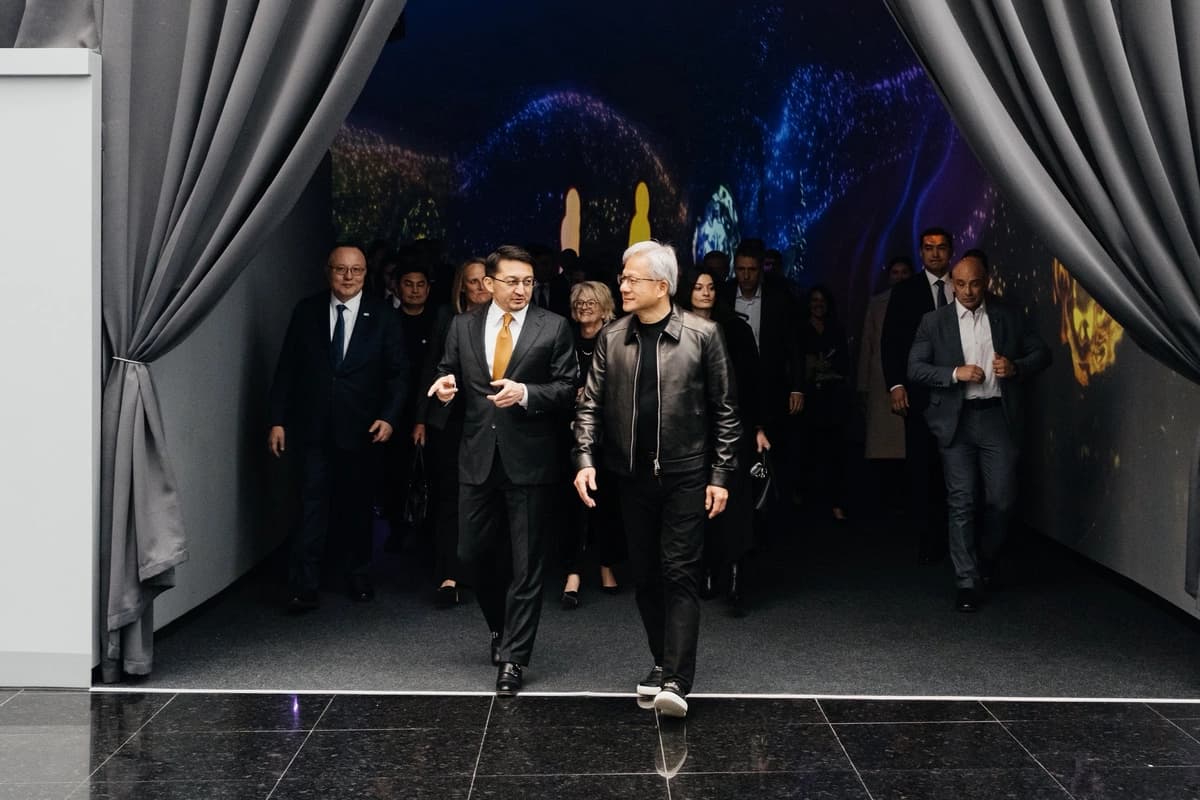
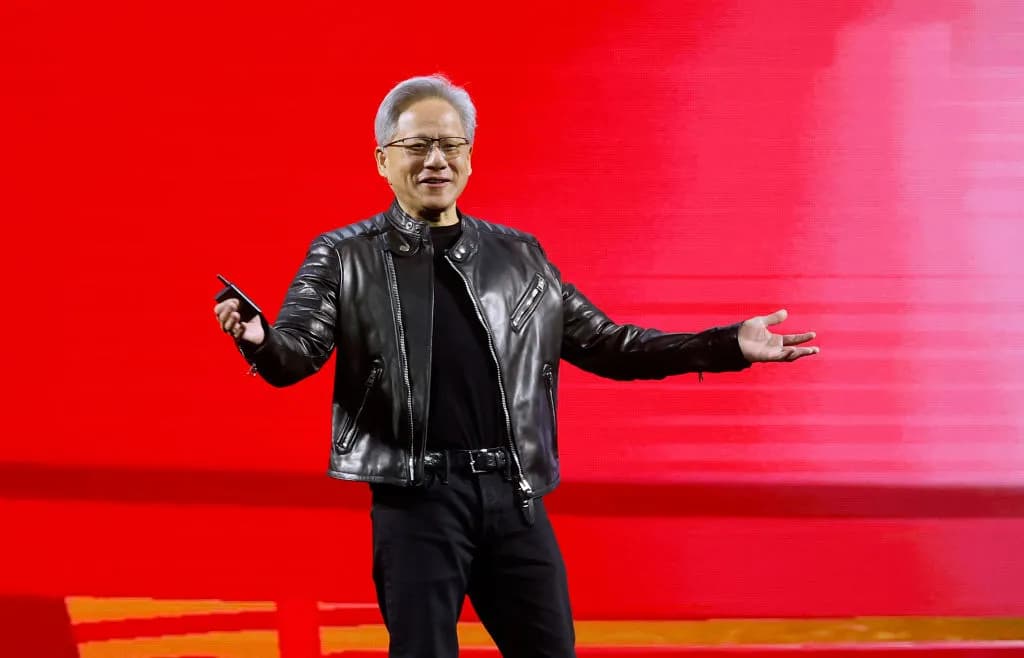
Nvidia CEO and co-founder Jensen Huang, in a letter to company employees, also published as a press release,admitted that he had cheated on his wife, with whom he had lived for 40 years. 'I deserve forgiveness from my family and from all of you... I was unfaithful to my wife. My actions hurt her and our children. There is no excuse for what I did. I am deeply sorry,' he wrote. Huang did not name Alice Huang, but linked his infidelity to 'the national security concerns raised in news reports,' and said that Nvidia's board of directors has launched an independent investigation,which he supports and with which he will fully cooperate. The next day, Nvidia shares fell by more than 5%.
Who is Alice Huang
According to TechCrunch,US officials believe that Alice Huang — a top executive at the Singapore-based AI infrastructure company Megaspeed, who is not related to Jensen Huang — is a Chinese spy who passed information to Beijing. Megaspeed, according to reports, over two years purchased $4.8 billion worth of Nvidia chips;the US and Singapore previously investigated the company's activities over suspicions that it was illegally transferring chips to China. According to the New York Times, Megaspeed rented computing capacity to the Chinese internet giant Alibaba and other Chinese companies, and a US Commerce Department official who visited a Megaspeed data center in Malaysia in 2024 found Nvidia equipment in unopened boxes — raising concerns that it could have been sent directly to China. At the time, an Nvidia spokesperson said the company had 'no reason to believe the products were diverted.'
Timeline of the scandal
In late October 2026, the New York Times reported that officials had been investigating Alice Huang and Megaspeed for more than a year and had also identified 'a close relationship' between her and the head of Nvidia;Nvidia spokesperson John Rizzo said at the time that meetings with clients are part of a CEO's job. In the spring of 2026, according to the NYT, a classified memo circulated among US officials warning that Alice Huang was a spy for China's Ministry of State Security; the memo's drafting was overseen by Secretary of State Marco Rubio.In late 2025, Trump was informed of intelligence about the relationship but took no action. On November 5, 2026, three Republican committee chairs — John Moolenaar, Brian Mast, and Rick Crawford — requested a closed joint briefing from Huang,writing that 'the penetration of the PRC and access to advanced American technology is a key topic of the investigations of our three committees.' On November 8, Trump backed Huang, calling him 'a wonderful man' and saying that he should remain head of Nvidia.On November 9, Huang canceled his appearances at the ElevenLabs Summit and the Anthropic CEO Forum.
Business ties under scrutiny
After Huang's confession, new details of business ties emerged. According to The Information, Alice Huang and her family built a network of companies in China and Singapore to purchase Nvidia chips, including Shanghai Century Litong, founded in 2023, which became a preferred cloud partner of Nvidia with priority access to chips and, reportedly, arranged the purchase of $7.5 billion worth of chips, including banned ones. Bloomberg reported that Nvidia's chief legal officer Tim Teter in 2025 intervened in the US authorities' investigation into the alleged smuggling of chips by Megaspeed International, contacting Deputy Commerce Secretary Jeffrey Kessler with questions about whether the Trump administration had played a role in the detention of Alice Huang. The Financial Times reported that in early 2025 Alice Huang and her partner were seeking Chinese investors for an Asian data center, promising that they would have no problems obtaining GPUs. Huang himself, a Trump ally, has repeatedly advocated for the US government to allow Nvidia to expand its business in China — and against this backdrop, the scandal calls the company's China ambitions into question.