The key facts
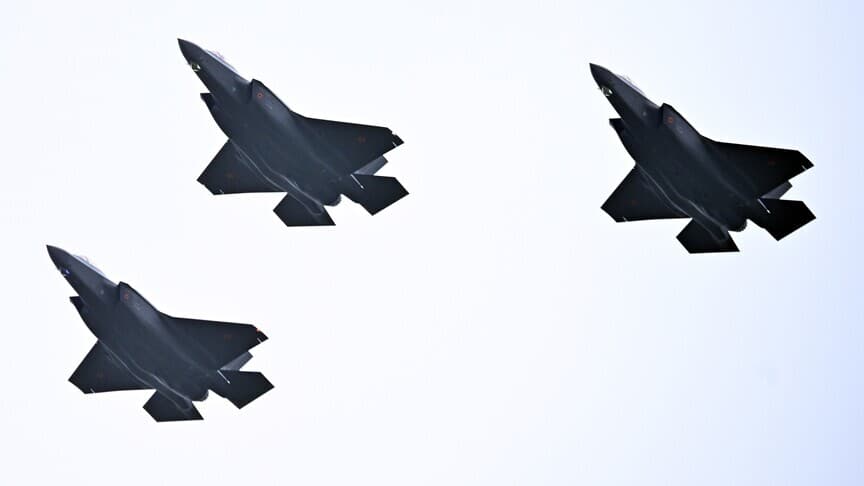
- NATO fighters twice attempted to shoot down a drone near Biržai in Lithuania; one missile missed and fell to the ground
- The drone crossed Lithuania and Latvia, passed through Estonia and entered Russia; its type and origin are unknown
- At the same time, about 10 detections of suspected weather balloons disrupted landings at airports, affecting three flights and around 470 passengers
A night with two failed interception attempts
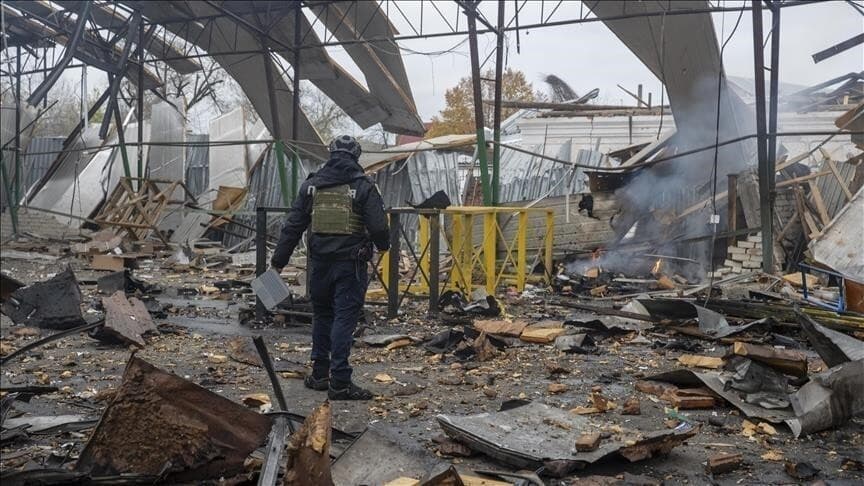
Overnight into Wednesday, NATO fighters twice attempted and failed to shoot down a drone over northern Lithuania. Unidentified aerial objects triggered air-danger alerts in all three Baltic countries, while Finland introduced temporary restrictions on aviation and maritime activity in the eastern Gulf of Finland near the Russian border.
The drone's route and the failed interception
Initially, three drones were detected in Belarusian airspace moving north toward Latvia. The Latvian Armed Forces reported that two more aerial targets entered its airspace from Belarus and then left it. A fourth drone crossed the Lithuanian border at around 1:20 local time, briefly entered Polish airspace, but abruptly changed course and returned. NATO fighters escorted it north toward the Latvian border, but two attempts to destroy it near Biržai failed: one of the missiles fired missed and fell to the ground. The drone then crossed Latvia, where aircraft of NATO's air-policing mission were unable to take up a position for interception, after which it passed through Estonia and ultimately ended up in Russia.
Type and origin of the aircraft unknown
Rear Admiral Giedrius Premeneckas, Chief of the Defence Staff of the Lithuanian army, said at a morning briefing that there is no confirmed data on the drone's type and that it is not yet possible to determine whether it is a Ukrainian or Russian aircraft. According to him, one version is that the aircraft was diverted off course by electronic warfare means — the same night Ukraine carried out a large-scale drone attack on Russia — however, he stressed that this is only an assumption.
Authorities' response and warnings to residents
Authorities in all three Baltic countries urged residents overnight to seek shelter. Lithuanian President Gitanas Nausėda called the night 'restless and difficult' and warned that, as long as Russia's full-scale war against Ukraine continues, incursions of combat drones into Lithuanian airspace may recur. Prime Minister Mindaugas Sinkevičius said the events of the night would be thoroughly investigated.
Weather balloons and airport disruptions
The drone activity coincided in Lithuania with a separate wave of suspected weather balloons. Vilmantas Vitkauskas, head of the National Crisis Management Centre, called the night 'the most turbulent in the country's history.' About 10 radar detections linked to the balloons were recorded: aircraft departures were allowed, but landings were restricted, affecting three flights and around 470 passengers. Vitkauskas also noted that Belarusian authorities themselves informed Lithuania about objects on their side of the border that could move into its airspace, calling this 'a positive development,' since such cases have been rare recently. He refuted claims circulating online that Lithuania allows Ukrainian drones to use its airspace for attacks on Russia, calling this 'an absolute lie,' and urged people to follow official instructions. The national security commission was to discuss access to public shelters on Wednesday; residents without access to shelter were advised to follow the 'two walls principle,' stay away from windows and, if possible, take cover in a basement.
Context: a series of incidents in the region
The overnight episode continues a series of drone incidents in the Baltics in recent months. In October, a suspected drone exploded in northern Lithuania; in September, NATO aircraft shot down a drone over that country; and in May, a Romanian NATO fighter destroyed a suspected Ukrainian drone over Estonia after it entered from Russia. Latvia has also reported repeated incursions, including a drone strike on an oil storage facility in May.