The key facts
- Customs clearance of phones at Tashkent airport has been temporarily suspended due to IMEI code checks
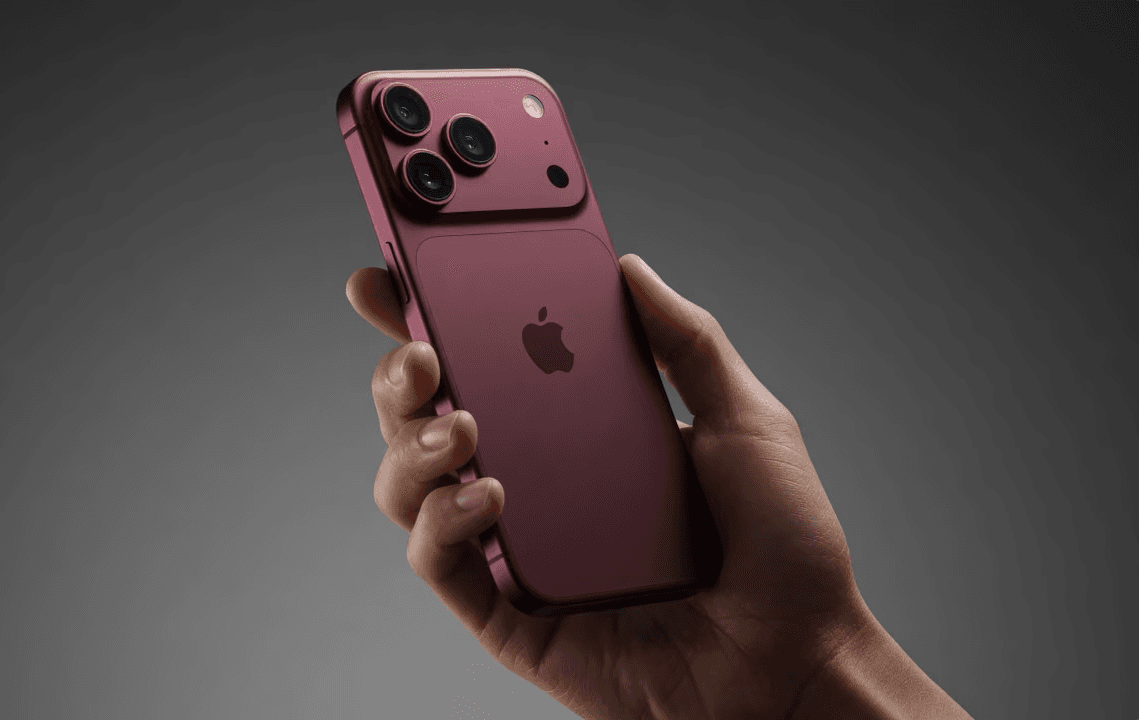
- iPhone 18 prices rose by 50–400 dollars in one day
- The duration of the restrictions and their legal grounds have not been officially explained
Customs clearance suspended
The situation around the registration of IMEI codes of imported phones has escalated in Uzbekistan. First, reports emerged that expensive smartphones brought in from abroad were being held at Tashkent International Airport for up to 30 days for IMEI authenticity checks. Then the Customs Committee confirmed that customs clearance of phones at Tashkent airport has been temporarily suspended, Kun.uz reports.
The essence of the problem
IMEI is a special number that identifies devices with mobile connectivity, that is, devices that read a SIM card. In Uzbekistan, mobile devices whose IMEI code is not registered cannot be used for communication. According to the customs authorities' new claims, cases of forging these codes to evade duty payments have become more frequent recently. That is why clearance of mobile devices imported through Tashkent airport has been suspended until issues related to determining IMEI identifiers and confirming their lawful import are resolved. How long the restriction will last is unknown.
Prices react instantly
The uncertainty over when the restrictions will be lifted quickly affected the market. According to a Kun.uz survey, on November 10 iPhone 18 models rose in price by 50–400 dollars compared with the previous day's price. For example, a silver iPhone 18 Pro eSIM with 256 GB sold for 1,500 dollars on November 9, and for 1,650 on November 10; the 512 GB version went up from 1,800 to 2,000 dollars.
Public debate
The situation has sparked widespread discussion on social media. Civil activists do not deny the need to combat illegal imports, but raise questions about the impact of the new restrictions on ordinary consumers. The question also remains open as to whether customs authorities have the right to halt phone imports on their own without a regulatory document: officials have not yet explained the legal grounds for such a procedure.
The economic angle
Economist Bekhzod Khoshimov, whose position is cited on the iqtisodchi_kundaligi Telegram channel, looked at the problem more broadly — from the standpoint of the consequences of import restrictions. In his view, the IMEI situation clearly shows how much import bans cost consumers. He notes that similar problems exist not only in the phone market but also with many other imported goods: duties and restrictions artificially inflate product prices, making not only consumption but also production more expensive.