The key facts
- From January 1, 2027, migrants will pay tax for non-working family members living in Russia
- The number of non-working family members of migrants fell by 20% after new requirements for enrolling children in schools; the figure previously stood at 1.7 million people
- A bill on the organized recruitment of foreign workers is being prepared — it is under consideration by the government
Tax for non-working family members
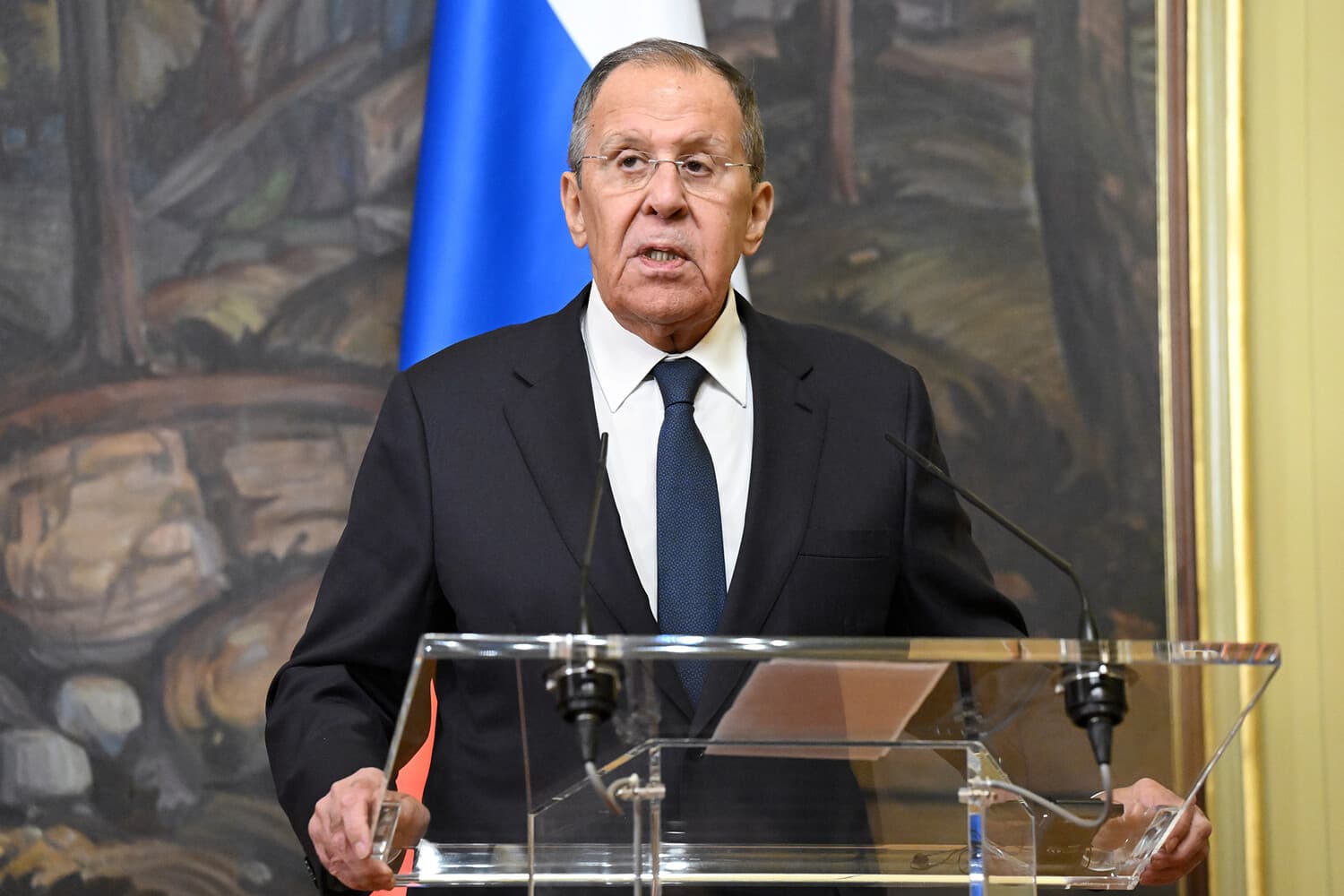
Foreign citizens working in Russia will have to pay tax, starting January 1, 2027, also for family members living in the country but not working. First Deputy Minister of Internal Affairs, head of the service for registration of foreign citizens and citizenship issues, Andrei Kikot, reported this to President Vladimir Putin. The measure is aimed at limiting the stay in Russia of migrants' non-working relatives.
The effect of school requirements
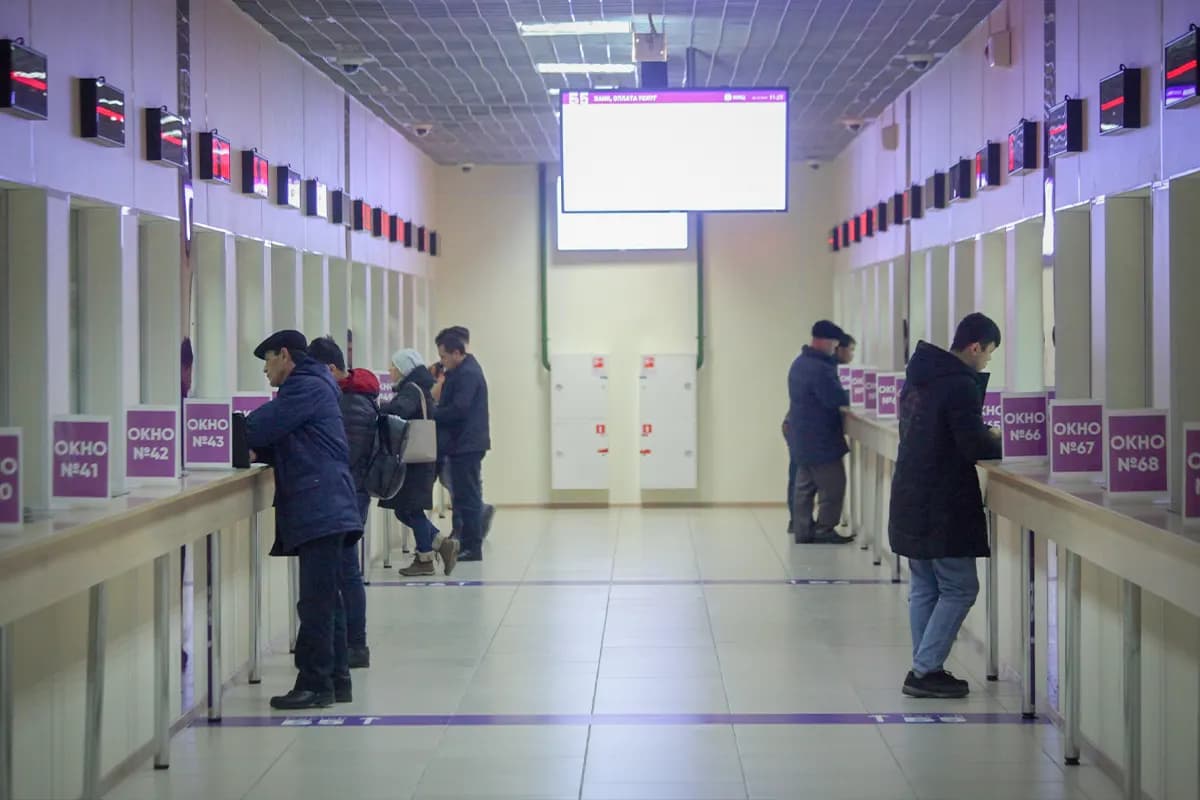
According to Kikot, after the introduction of new requirements for enrolling migrants' children in schools, the number of non-working members of their families fell by 20%. Previously, this figure stood at 1.7 million people. Thus, the tax is conceived as a continuation of restrictive measures already in place, which, according to the Interior Ministry's assessment, have already produced a measurable result.
Organized recruitment of workers
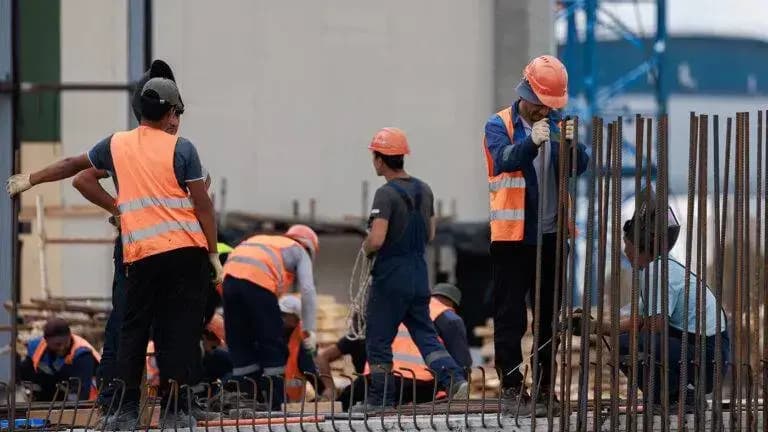
In parallel, Russia plans to move to the organized recruitment of foreign workers: the relevant bill is currently being considered by the government. Under the proposed procedure, an employer submits an order for the need for foreign labor to the migration service, a special operator selects workers and brings them to Russia, and upon expiration of the employment contract the migrant must return to their homeland. Large and medium-sized businesses will be required to provide the recruited workers with housing and transportation to their workplace.