The key facts
- From January 1, 2027, the personal income tax payment for a patent will rise by 50% for each dependent underage child of a migrant
- The law was signed on July 26, 2026; a base rate of 1,700 rubles per month is introduced for those working for private individuals, while for others it remains 1,200 rubles
- If a patent is annulled, the migrant must leave Russia with their children within 15 days
The essence of the new rules
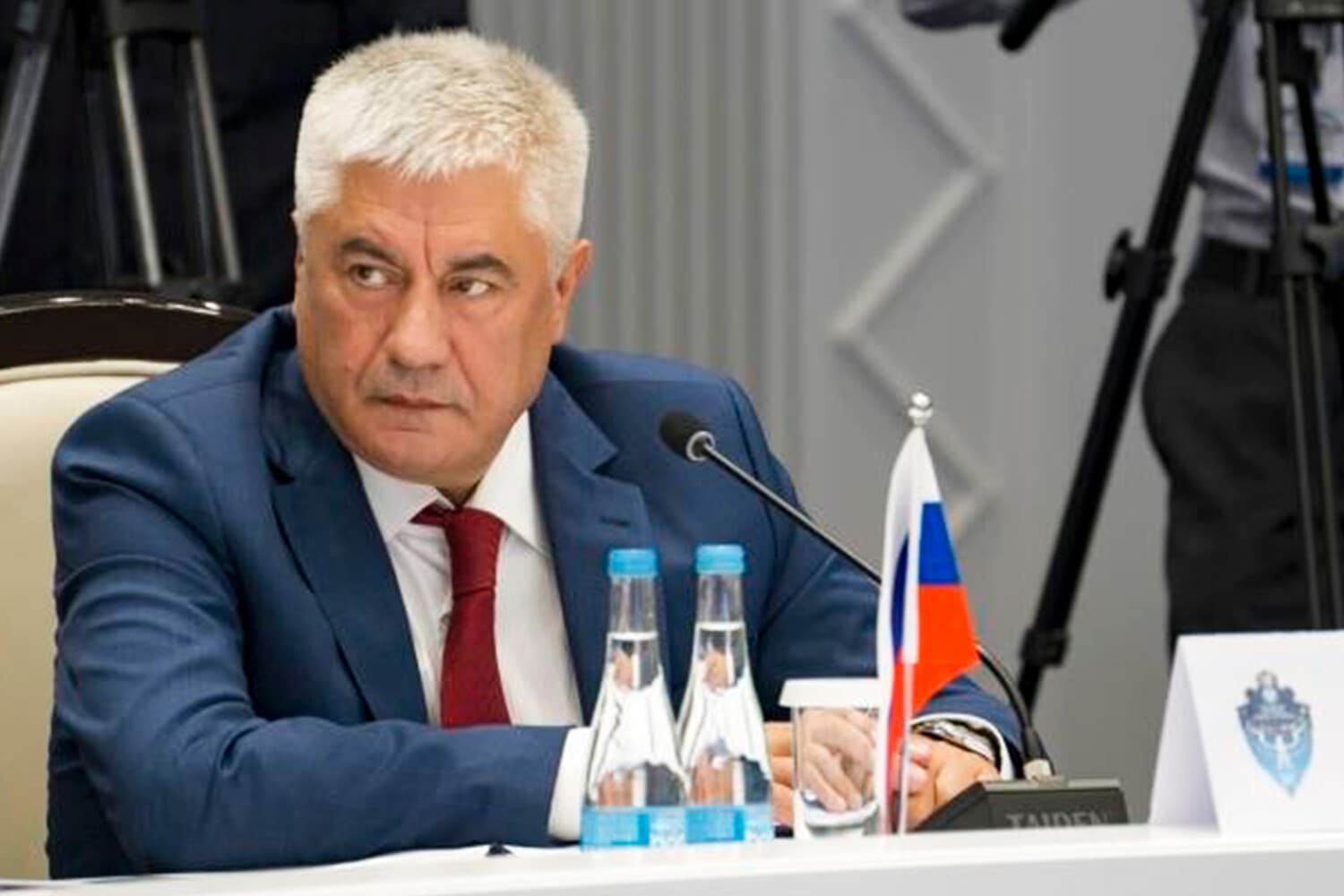
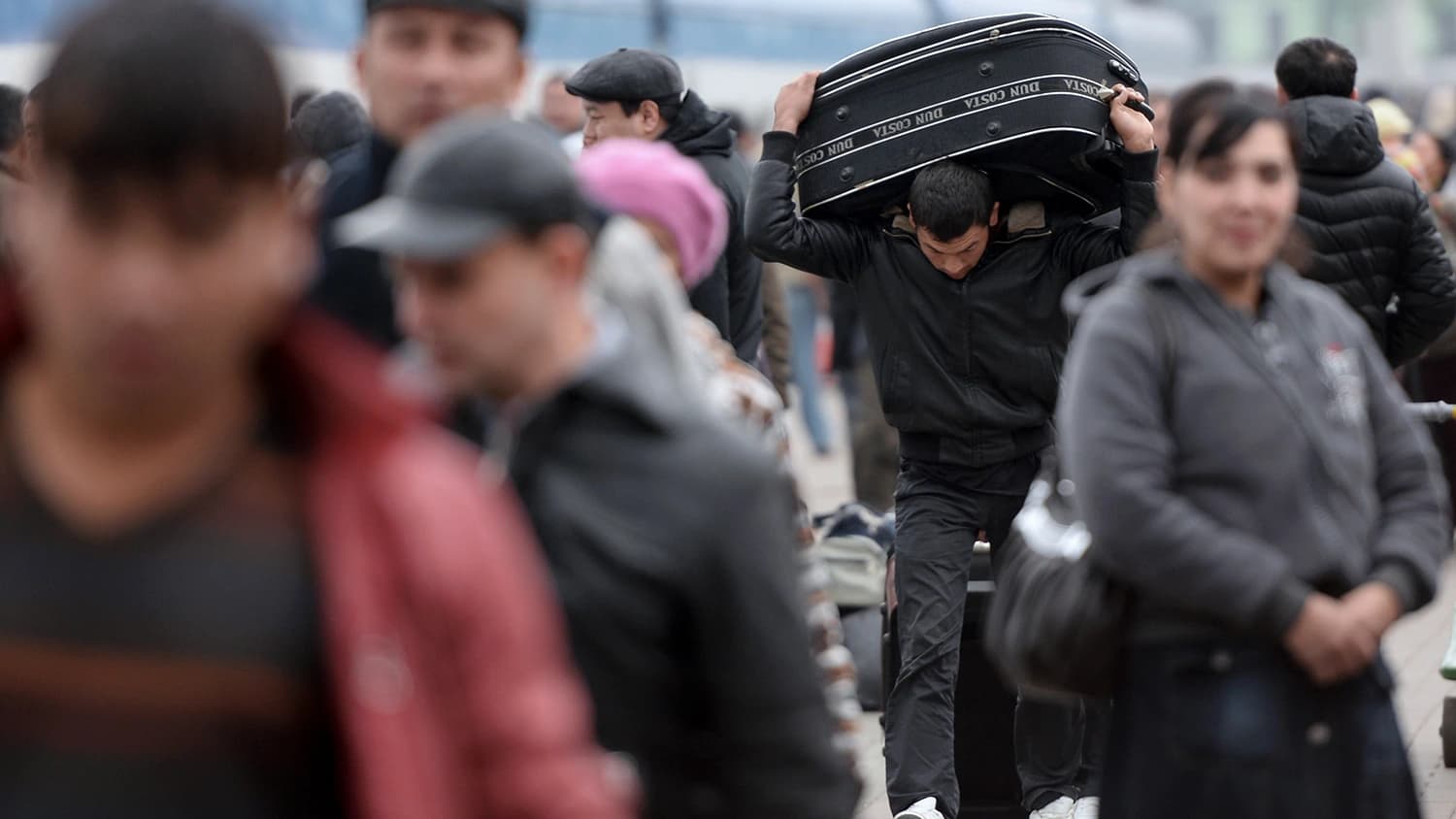
From January 1, 2027, labor migrants living in Russia together with underage children will pay more for a patent. This was announced in the Federation Council by Interior Minister Vladimir Kolokoltsev, reports Interfax (summary — Kun.uz). This is not a new tax, but an increase in the fixed advance personal income tax payment that foreigners pay for a patent: the surcharge for each dependent child will be 50%. The corresponding law was signed on July 26, 2026.
How much it will cost
Currently the payment is calculated by the formula: 1,200 rubles × deflator coefficient × regional coefficient; in 2026 in Moscow this is 10,000 rubles per month. Based on these rates, the surcharge for one child will be about 5,000 rubles per month, for two — about 10,000 rubles. The final amounts for 2027 will become known after the deflators and regional coefficients are approved. According to Klerk.ru, which Kun.uz cites, a similar surcharge is provided for other dependents as well; if a child is supported by several foreigners at once, the surcharge is paid by one of them — by their mutual choice.
What else the law changes
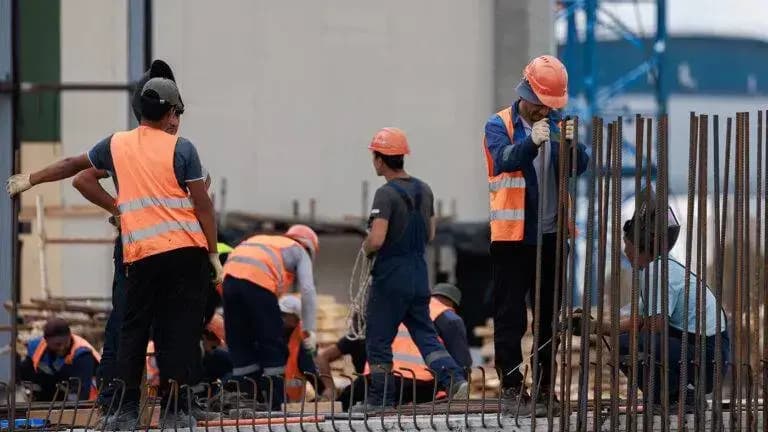
The law also affects other categories of foreigners. Those working for private individuals, including nannies and caregivers, will begin paying a fixed advance: the base rate for them is 1,700 rubles per month. For those working under a patent at organizations, individual entrepreneurs, notaries and lawyers, the base remains at 1,200 rubles. If a patent is annulled, the migrant must leave Russia together with their children within 15 days.
Statistics and rationale
Kolokoltsev cited figures: since 2025, the number of non-working and non-studying family members of migrants has fallen by 20%, and over the past year foreign workers transferred 172 billion rubles to the budget for patents — 39% more than a year earlier. According to the minister, the new measure is intended to reduce the burden on the social sphere. For citizens of Uzbekistan, who make up a significant share of labor migrants in Russia, the practical significance of these changes depends on the final coefficients for 2027, which have not yet been approved.