The key facts
- France is coordinating with Germany an approach to 'deep precision strikes' on Russia, fearing nuclear escalation
- Berlin is purchasing and developing ground-based missiles with a range of 500 to 2,000 km
- Paris fears that Macron's concept of 'forward deterrence' could turn into responsibility for someone else's strikes
What this is about
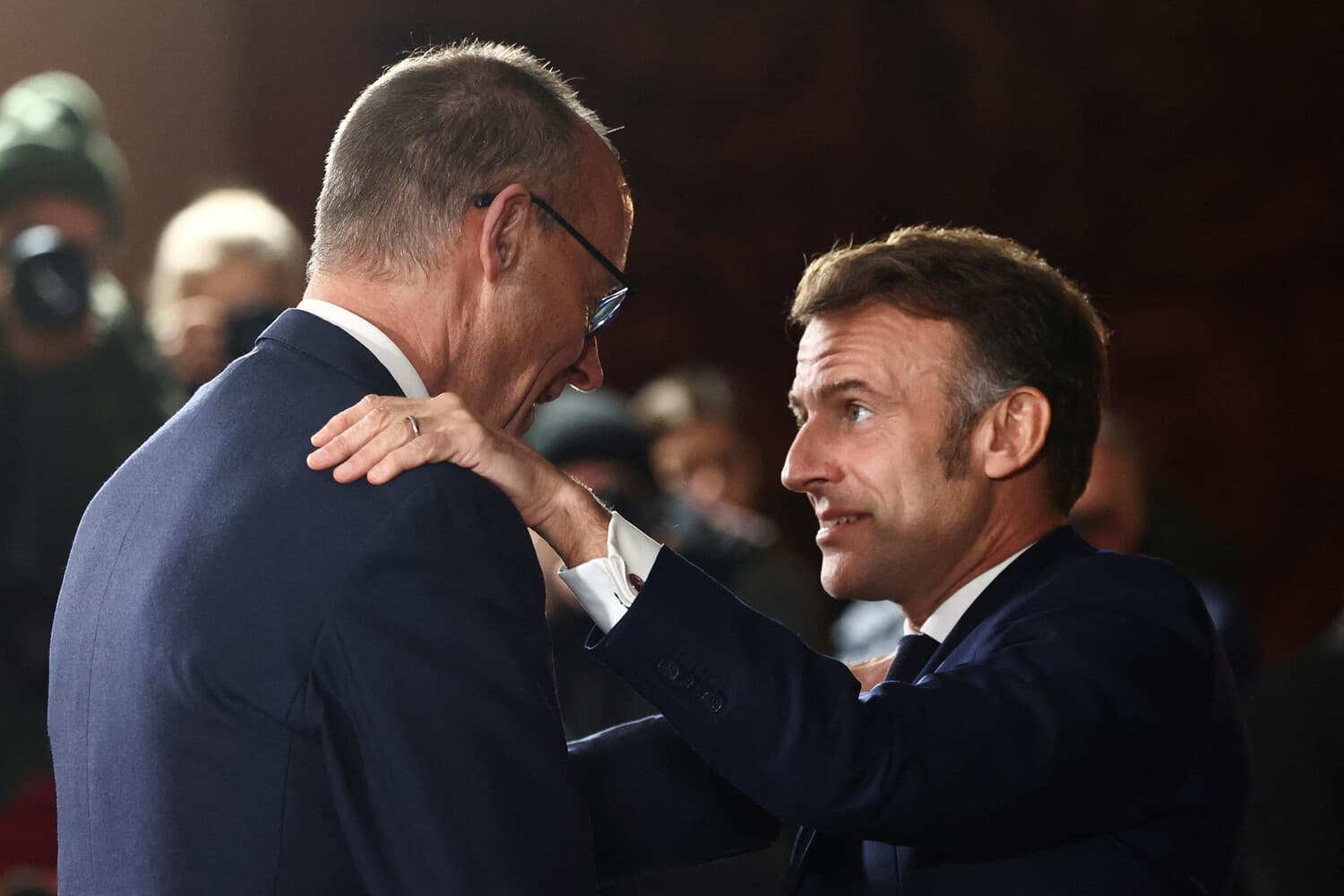
France is holding consultations with Germany on aligning the rules for the use of long-range missiles in the event of a military clash with Russia. Paris's goal is to link Berlin's possible approach to 'deep precision strikes' with France's nuclear strategy. The Financial Times reports this, citing sources familiar with the course of the negotiations.
Why Paris fears escalation
According to one French official, even a conventional strike on a Russian target could trigger a nuclear response from Moscow. If Russia misinterprets the signal, the situation, in his view, could quickly escalate to the level of nuclear war, and the sides may fail to recognize the danger in time.
Context: growing arsenals and Macron's initiative
Paris's concerns have emerged against the backdrop of expanding long-range weapons arsenals in Germany, Britain, Poland and the Baltic states. Berlin is purchasing and developing ground-based missiles with a range of 500 to 2,000 km, which makes it possible to strike deep into Russian territory.
Contradiction within the French position
The discussion is taking place in parallel with President Emmanuel Macron's proposal to discuss how France's nuclear capability could help other European countries. At the same time, French officials fear that the concept of 'forward deterrence' could have undesirable consequences: if German or other European partners strike Russia, Moscow may hold Paris responsible for it as well. Thus, an initiative aimed at strengthening European defense simultaneously creates a risk for France of being drawn into someone else's escalation.