The key facts
- Nagel expects Germany's GDP growth to accelerate in the fourth quarter amid rising defense and infrastructure spending
- Over the first three quarters, the economy showed growth of 0.4%, 0.3%, and preliminarily 0.2%
- Potential growth is estimated at only 0.3–0.4%; Nagel called for labor market reforms, energy transition improvements, and investment
Expectations of accelerating growth
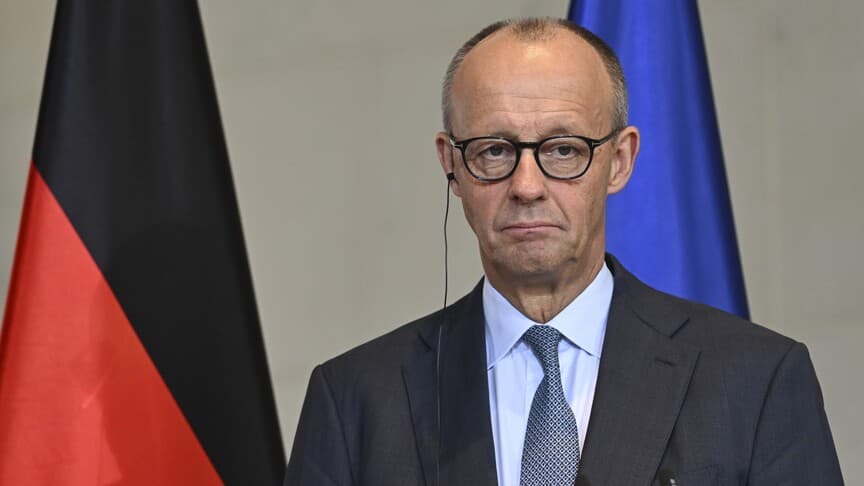
Germany's economy is likely to accelerate its growth in the fourth quarter, according to Bundesbank President Joachim Nagel. He made this statement on Wednesday at an economic conference of the Latvian central bank in Riga, Anadolu reports. According to him, fresh estimates point to a stronger recovery than the Bundesbank had forecast in the summer, with support coming from increased spending on defense and infrastructure.
Quarterly dynamics and forecasts
In the first quarter, Germany's GDP grew by 0.4%, in the second by 0.3%, and preliminary estimates for the third quarter showed growth of 0.2% despite transport disruptions caused by low water levels in the Rhine. Nagel noted that the IMF, leading German economic institutes, and the federal government forecast growth of around 1.3% in the current year and 1.1% in 2027. The upturn is noticeable in industry, especially in the chemical sector and electrical equipment manufacturing, while industrial orders point to a continued recovery. At the same time, private consumption remains sluggish, and investment in machinery and equipment declined in the second quarter. The Bundesbank will present its next detailed forecast in December.
Warning about structural constraints
Nagel warned that increased government spending alone will do little to change the long-term growth potential: additional infrastructure will provide only a modest increase in potential output, while rising defense spending is unlikely to raise it in the foreseeable future. He estimated Germany's potential growth rate at roughly 0.3–0.4%, citing a shrinking labor force, weak investment, and sluggish productivity growth. He called for reforms that expand labor supply, improve the efficiency of the energy transition, and create better conditions for private investment, as well as for deepening European integration — completing the single market and strengthening financial markets — against the backdrop of growing global fragmentation.