The key facts
- Pete Hegseth announced the largest revision of US national security strategy since World War II
- The Pentagon's defense strategy already assigns responsibility for ending the Ukrainian conflict to Europe
- Marco Rubio urged NATO to expand military production and turn spending commitments into real capabilities
Pentagon Statement
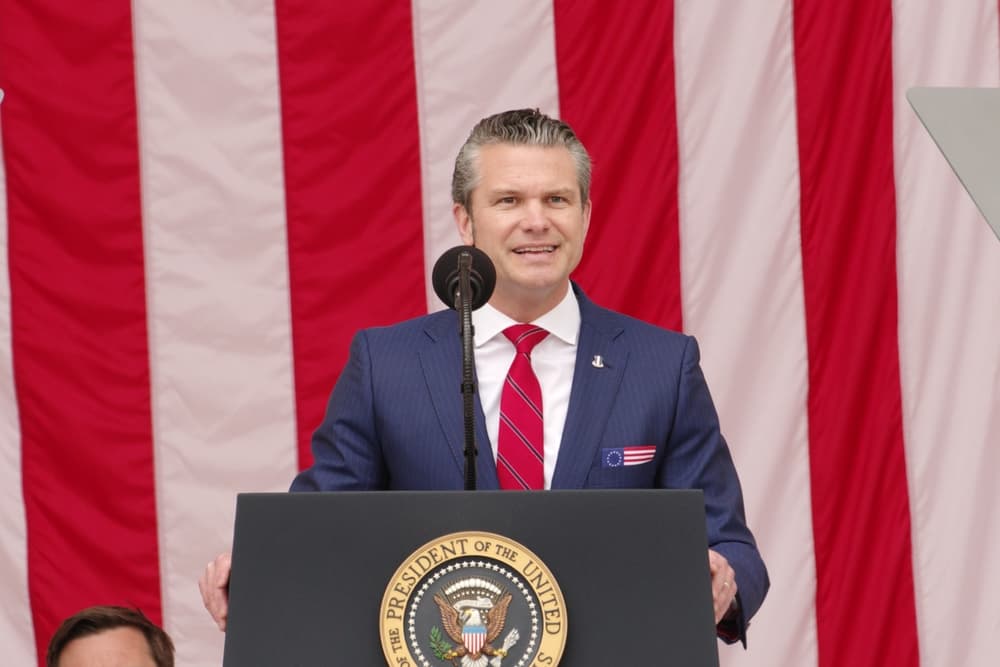
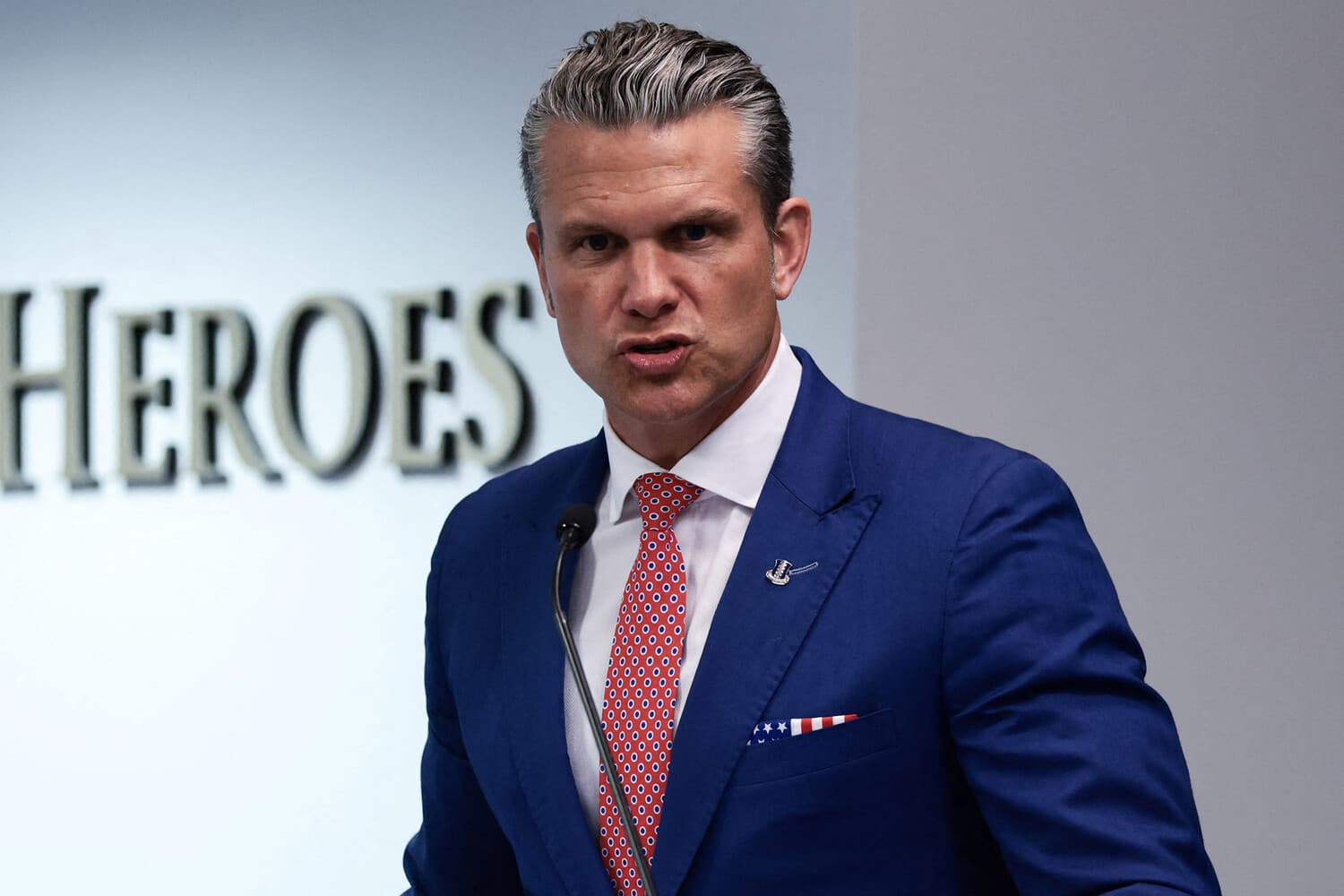
The United States will carry out the largest revision of its national security strategy since World War II. This was announced by Pentagon chief Pete Hegseth, whose remarks were cited by TASS (the report was published by Gazeta.Ru). 'This pivot is deeper and more significant than the collapse of the Soviet Union,' Hegseth noted. The assessment of the reform's scale comes from the defense secretary himself; the specific provisions of the new strategy are not disclosed in the report.
Context: Ukraine and demands on allies
The revision does not start from scratch: earlier, the Pentagon already incorporated into the defense strategy a provision under which responsibility for ending the conflict in Ukraine is placed on Europe. The department emphasized that securing and maintaining peace will require leadership and commitment from the United States' NATO allies. At the same time, Secretary of State Marco Rubio, at a meeting with NATO Secretary General Mark Rutte, called on the alliance to expand military production: according to him, Washington expects the bloc to broaden its defense-industrial base and turn spending commitments into 'real warfighting capabilities.' Thus, the announced strategy revision logically continues the already established course of shifting responsibility toward European allies — though this connection itself is an editorial observation, not a conclusion drawn by the sources.
What remains unknown
The text of the new strategy is not yet available: neither the timing of its publication nor specific priorities are named in the report. Additional context is that NATO previously released member states' reports on defense spending — a figure directly tied to Washington's demand to translate financial commitments into real military capabilities.