The key facts
- The strike is scheduled for November 20 in 33 cities and may affect up to 35 universities
- Demands: Merz's resignation, rejection of militarization, increased education spending
- After the October 31 demonstrations, about 120,000 people turned out, according to the organizers
Strike on November 20
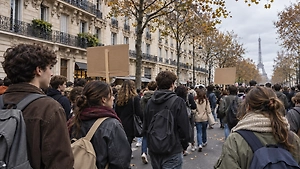
Students in Germany are preparing a mass strike for November 20: classes are to be halted simultaneously in 33 cities, with up to 35 universities potentially affected. This is reported by the newspaper Die Tageszeitung (TAZ). The initiative comes from the Gen Z regelt Studis alliance ('Generation Z decides — students'), founded in Hanover; its founding assembly brought together 90 representatives of student committees, trade union youth, and left-wing organizations. Before the action, activists will hold university assemblies where students will vote to stop classes.
Demands and the trigger in Kassel
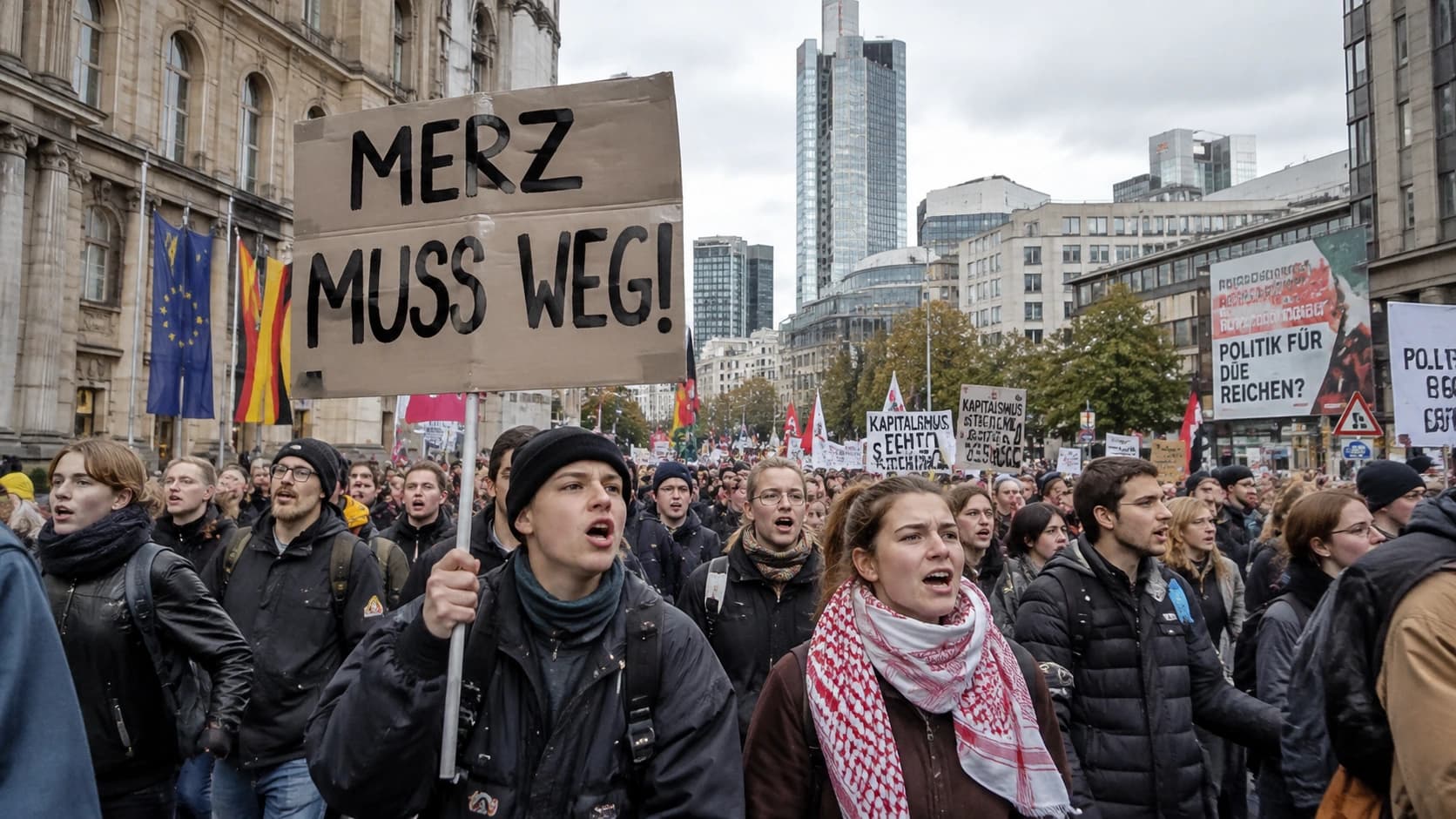
The movement's main slogan is short: 'Merz must go.' Participants oppose the return of compulsory military service, rearmament, and the use of universities for military research, and they also demand increased education spending, protection for university staff from perpetual temporary contracts, and the introduction of a tax on large fortunes. 'Either we are the generation that watches our future being taken away, or we manage to secure a future worth living,' said alliance spokesperson Veronika Dinter.
Context and the chancellor's reaction
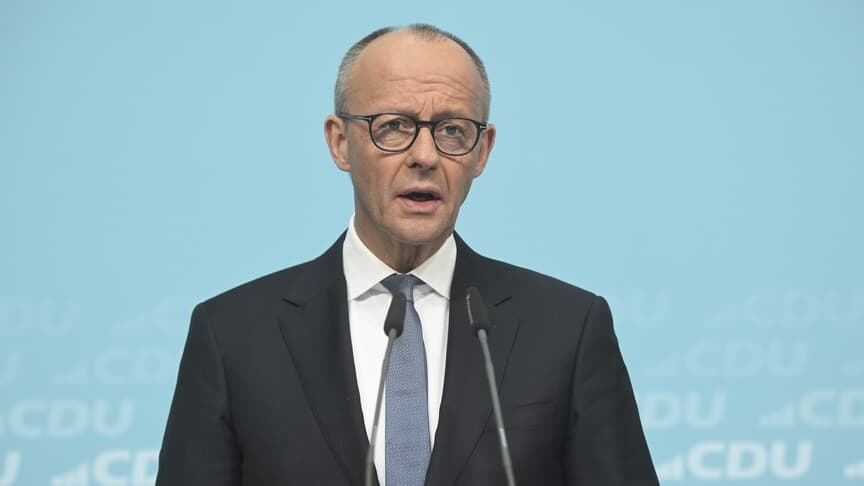
One of the flashpoints was the University of Kassel: on November 4, its leadership changed the rules for conducting scientific research, allowing cooperation with defense companies instead of the previous restriction to civilian purposes. Around 250 people opposed this, occupying a lecture hall. A new wave of protests is being prepared after the nationwide demonstrations on October 31, where, according to the organizers, about 120,000 people turned out — fewer than originally expected; in some cities there were clashes with the police. Chancellor Friedrich Merz, as Life.ru previously reported, called for not exaggerating the scale of the unrest, emphasizing that most demonstrators expressed their discontent peacefully and that the issues raised deserve the government's attention. The organizers compare the upcoming campaign to the student protests of 1968 and expect hundreds of participants in each university center; the specific format of the actions will be decided by the students themselves.