The key facts
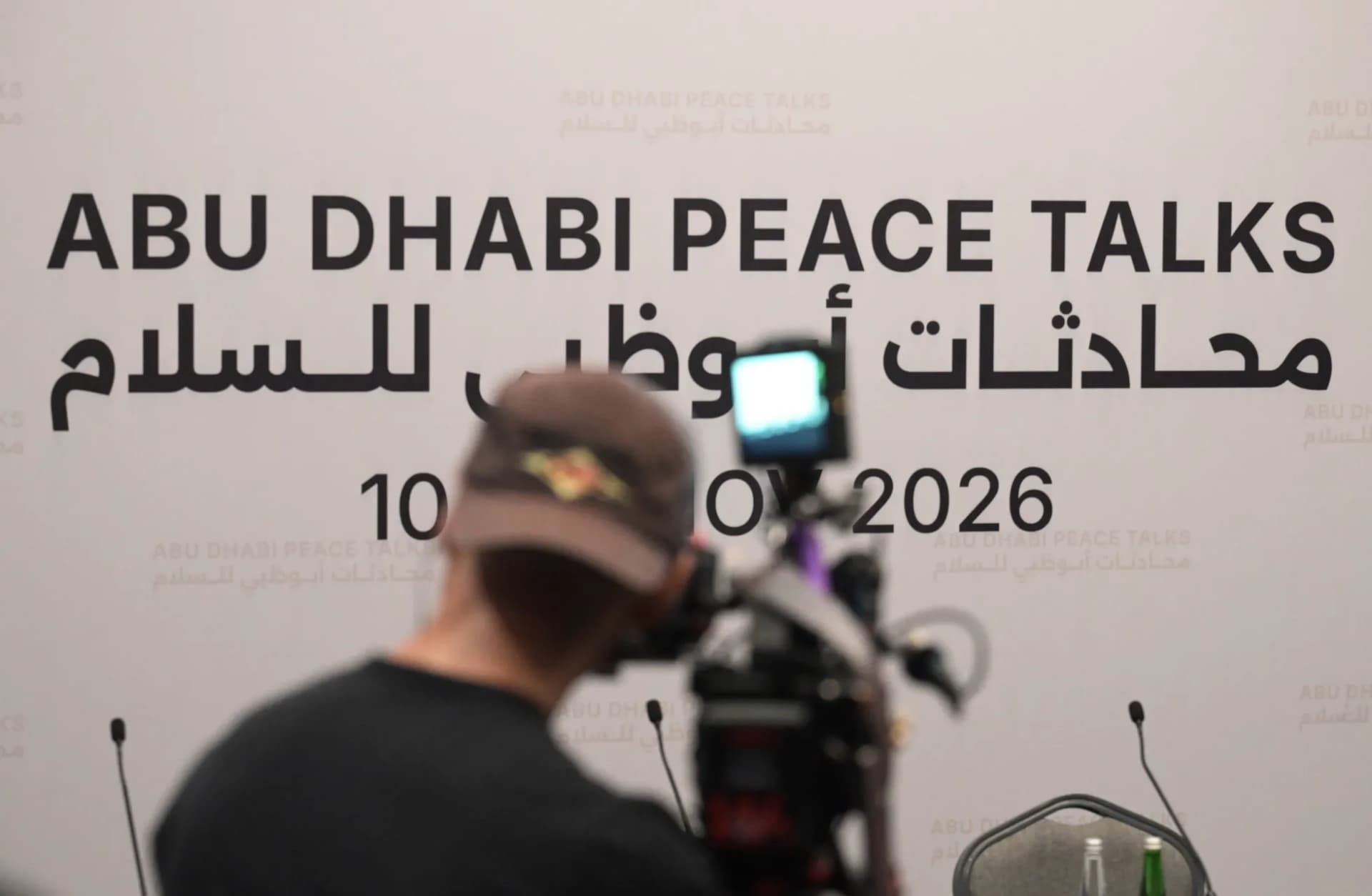
- The first trilateral round since February will take place in Abu Dhabi on November 10–11 with US mediation
- Russia demands the withdrawal of Ukrainian troops from four regions; Kyiv rejects recognition of Russian sovereignty over them
- Kyiv insists on Europe's participation; Moscow calls the format trilateral but acknowledges the need for consultations with the EU
First round since February
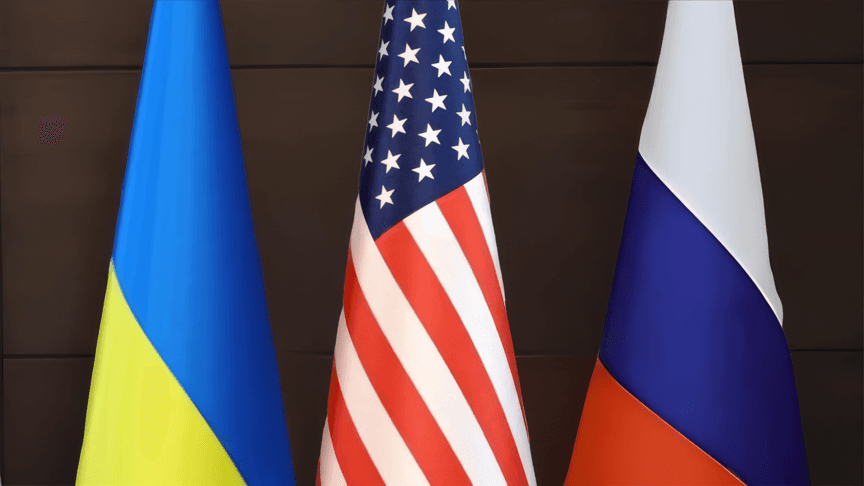
Russia, Ukraine and the United States are resuming trilateral talks in Abu Dhabi on Tuesday — the first such round since February, Anadolu reports. The two-day meetings, mediated by Washington, are devoted to postwar security guarantees, a possible ceasefire and humanitarian issues. The talks are taking place against the backdrop of ongoing fighting and growing international pressure ahead of winter. US President Donald Trump has intensified mediation efforts after recent contacts with Vladimir Putin and Volodymyr Zelensky; Putin agreed to a new round following a meeting with special envoy Steve Witkoff in St. Petersburg in late October.
Delegation composition and the European question
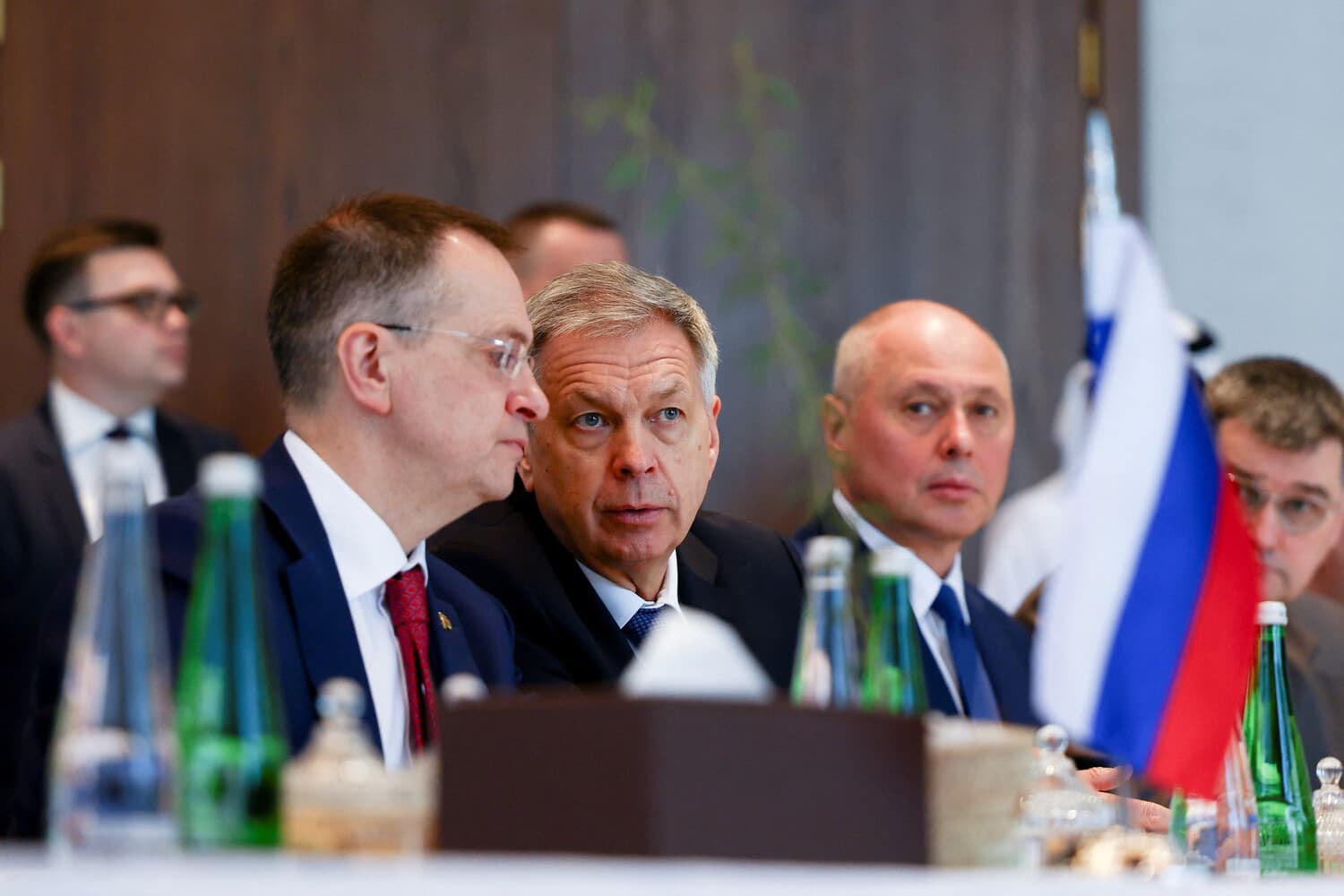
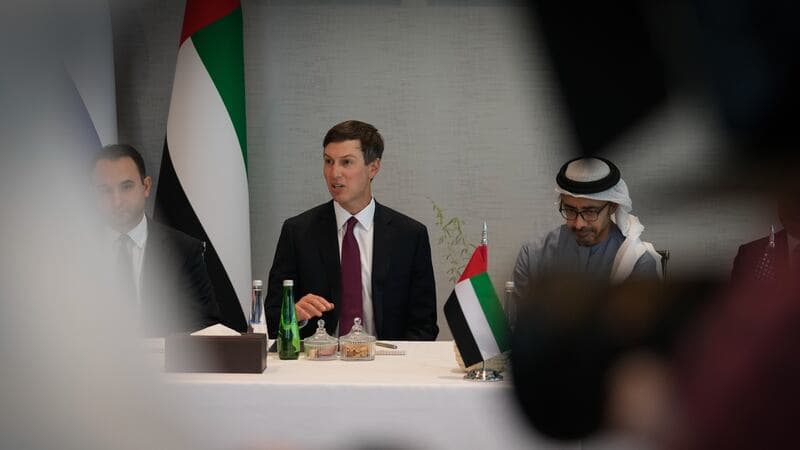
The US is represented by Witkoff and Jared Kushner, Russia by presidential aide Vladimir Medinsky together with Deputy Foreign Minister Sergei Ryabkov and Mikhail Galuzin, and Ukraine by foreign intelligence chief Rustem Umerov in a team with Kyrylo Budanov, Sergiy Kyslytsya and Davyd Arakhamia. The European Commission and the Council of the EU will send a joint team led by Björn Seibert and Anna-Maria Boura, accompanied by representatives of France, Germany and the United Kingdom. Europe's participation remains a sensitive point: Kyiv insists that European countries must have a voice in shaping the continent's future security architecture, while Moscow describes the meeting as a trilateral format, acknowledging that consultations with the Europeans will ultimately be needed. Whether the Europeans will hold direct talks with the Russian delegation remains unclear.
The main disagreements
The central issue is territorial. Moscow demands the withdrawal of Ukrainian troops from parts of the Donetsk, Luhansk, Zaporizhzhia and Kherson regions under Kyiv's control, citing the 2022 referendums; Kyiv rejects any formal recognition of Russian sovereignty over them. The Ukrainian side allows, as a starting point, a halt to fighting along the current line of contact — without recognizing new borders. The parties also differ on the sequence of a truce: Kyiv believes hostilities must be stopped first, while Moscow opposes an unconditional ceasefire, fearing that a pause would allow Ukraine to strengthen its army. This also raises the question of monitoring compliance with any agreements.
Security guarantees, NATO and sanctions
Kyiv is seeking binding Western guarantees comparable to NATO's Article 5 and views the possible deployment of foreign military contingents as an additional layer of protection. Moscow is against this: it demands that its own security interests and the European architecture as a whole be taken into account, opposes Ukraine's accession to the alliance and has warned that Western troops in Ukraine would become legitimate military targets. Western sanctions against Russia may also be on the agenda, along with Zelensky's priorities: protecting energy infrastructure, restoring safe shipping in the Black Sea and expanding prisoner exchanges. The shipping issue also affects countries in Africa and Asia that depend on Ukrainian and Russian grain.
Prospects
A breakthrough remains unlikely: previous rounds this year produced no visible progress, and the process stalled when Washington's attention shifted to the war with Iran. Fighting along the roughly 1,200-kilometer front line continued, accompanied by intense drone and missile strikes. Trump expressed optimism, saying Russia and Ukraine were