The key facts
- Thomas Massie filed eight articles of impeachment, including waging war with Iran without congressional authorization
- Hegseth called the charges a 'farce' and a political show
- A vote in the House of Representatives is expected by Wednesday
Impeachment as a 'farce': Hegseth's response
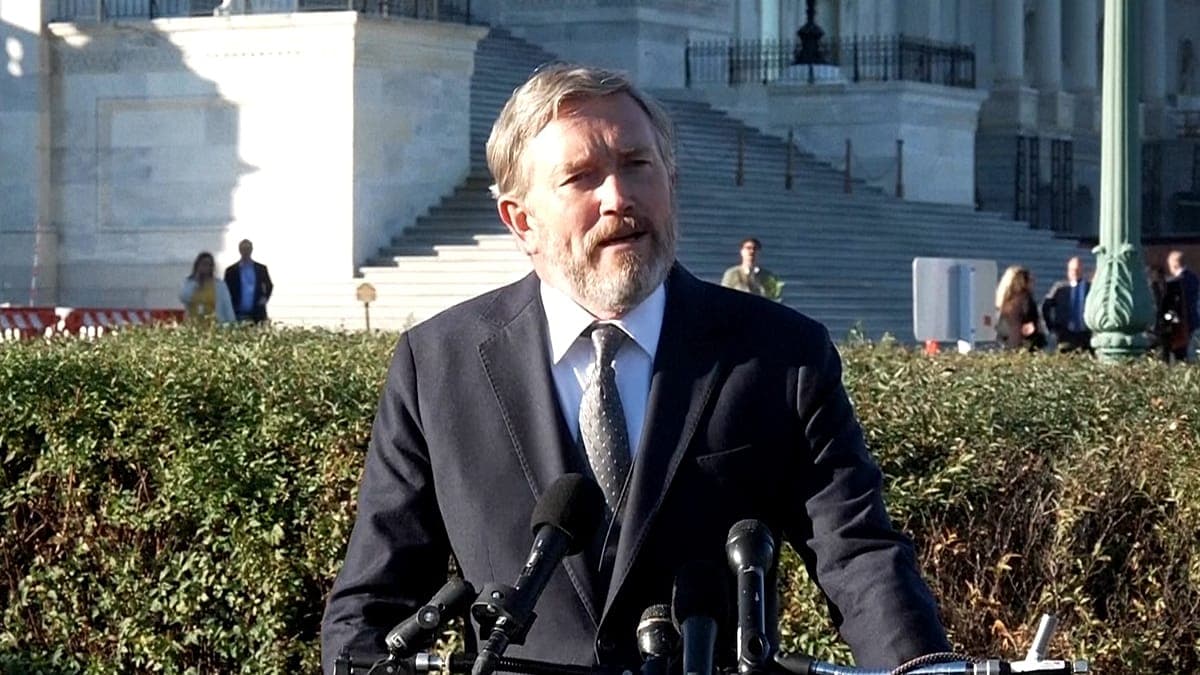
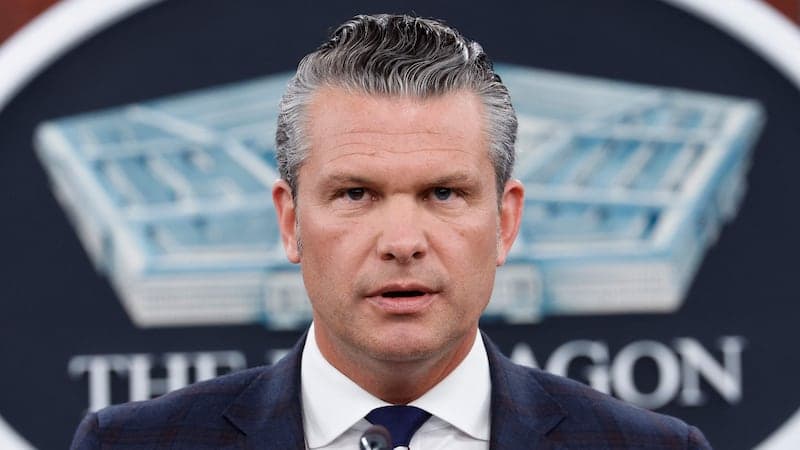
US Defense Secretary Pete Hegseth on Tuesday rejected the impeachment attempt, calling it a 'farce' and a 'political show' aimed at President Donald Trump. It was his first press conference at the Pentagon since May. He characterized the actions of Republican Thomas Massie as 'neither oversight nor accountability', but 'a personal manifesto driven by ego and resentment,' and said the matter was about policy disagreements rather than 'high crimes and misdemeanors,' for which the impeachment mechanism was created — in his words, the constitutional answer to such disagreements lies in legislation and elections. He also warned that attacking civilian leadership of the military through impeachment could signal weakness to 'watching adversaries,' including Iran and transnational drug cartels, and, referring to earlier impeachment attempts against Trump, said: 'They will fail again.'
Massie's charges
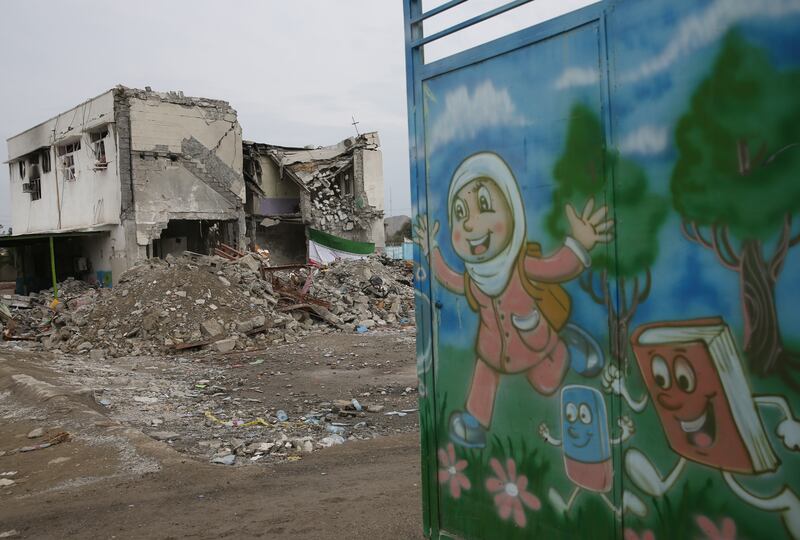
Massie, who filed the impeachment resolution on Monday, put forward eight articles. The first concerns the war with Iran, which began on February 28 without the Trump administration seeking authorization from Congress. Hegseth is also accused of extrajudicial killings through strikes on suspected drug vessels, of ignoring laws on minimizing civilian casualties — including in connection with the strike on an Iranian school in Minab, where, according to the articles of impeachment, more than 200 civilians were killed or wounded, — and of the unlawful abduction of Venezuelan President Nicolás Maduro. The House of Representatives is expected to vote on the resolution by Wednesday. Massie himself lost the Republican primary in May and will leave Congress at the end of the year.
Defense of military operations
Hegseth presented the operations in Iran, Yemen and the Caribbean as a series of decisive victories that restored American deterrence. He cited Operation Rough Rider against the Houthis (more than 1,000 targets struck), called the B-2 strikes on Iranian nuclear facilities in June 2025 under Operation Midnight Hammer 'flawless,' and repeated claims that in the current war with Iran, Operation Epic Fury, in less than 40 days more than 13,000 targets have been struck, the Iranian navy has been sunk, more than 80% of Iran's nuclear industrial capacity has been destroyed, and the US controls the Strait of Hormuz. According to him, in the campaign against suspected drug vessels more than 70 boats have been sunk, 218 people have been killed, and maritime smuggling has fallen by at least 65%. He rejected the capture of Maduro as an 'abduction,' saying the former leader 'was brought to justice' and is answering before an American judge in New York. He called the accusation of strikes on civilians 'lies and slander' against the military.
Iran and the ceasefire regime
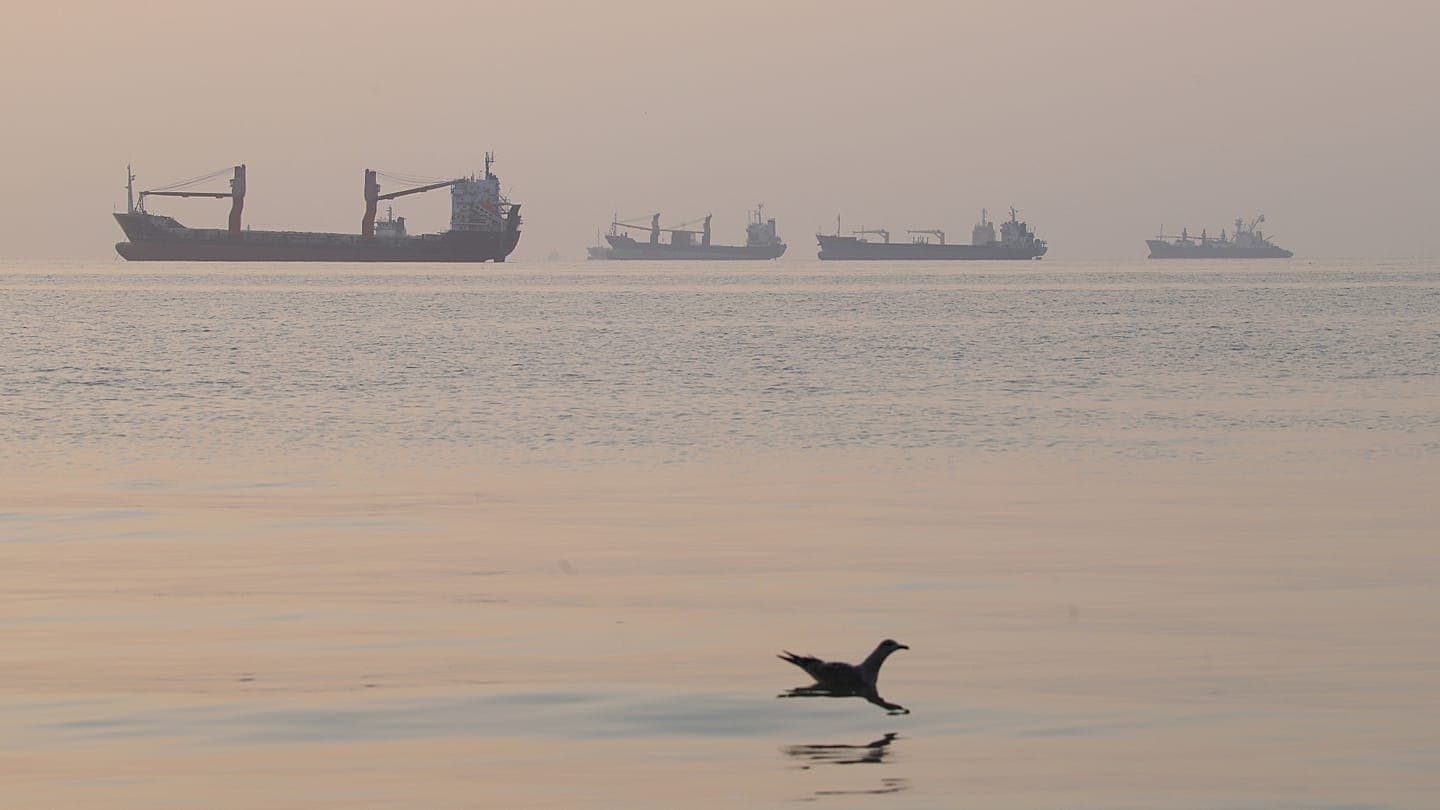
Hegseth warned that the US is ready to resume military action if Tehran attempts to rebuild its military or nuclear capability. Asked about reports of the Islamic Revolutionary Guard Corps rearming during the ceasefire, he said Washington would keep a close watch on Iranian nuclear facilities and would respond if it detected activity requiring a response. He called the naval blockade 'ironclad,' asserting that not a single shipment has gotten through, and that a weakened energy economy and a damaged defense industry will make Iran's recovery difficult.