The key facts
- Merz demands a collective commitment from all 27 countries to finance Ukraine, including servicing the debt linked to it
- The funding shortfall for Kyiv next year is estimated at €70 billion; the EU intends to cover about €45 billion on top of a €90 billion loan
- Hungary, Slovakia and the Czech Republic have already opted out of the loan, and Bulgaria has also signalled a refusal
Berlin's Ultimatum
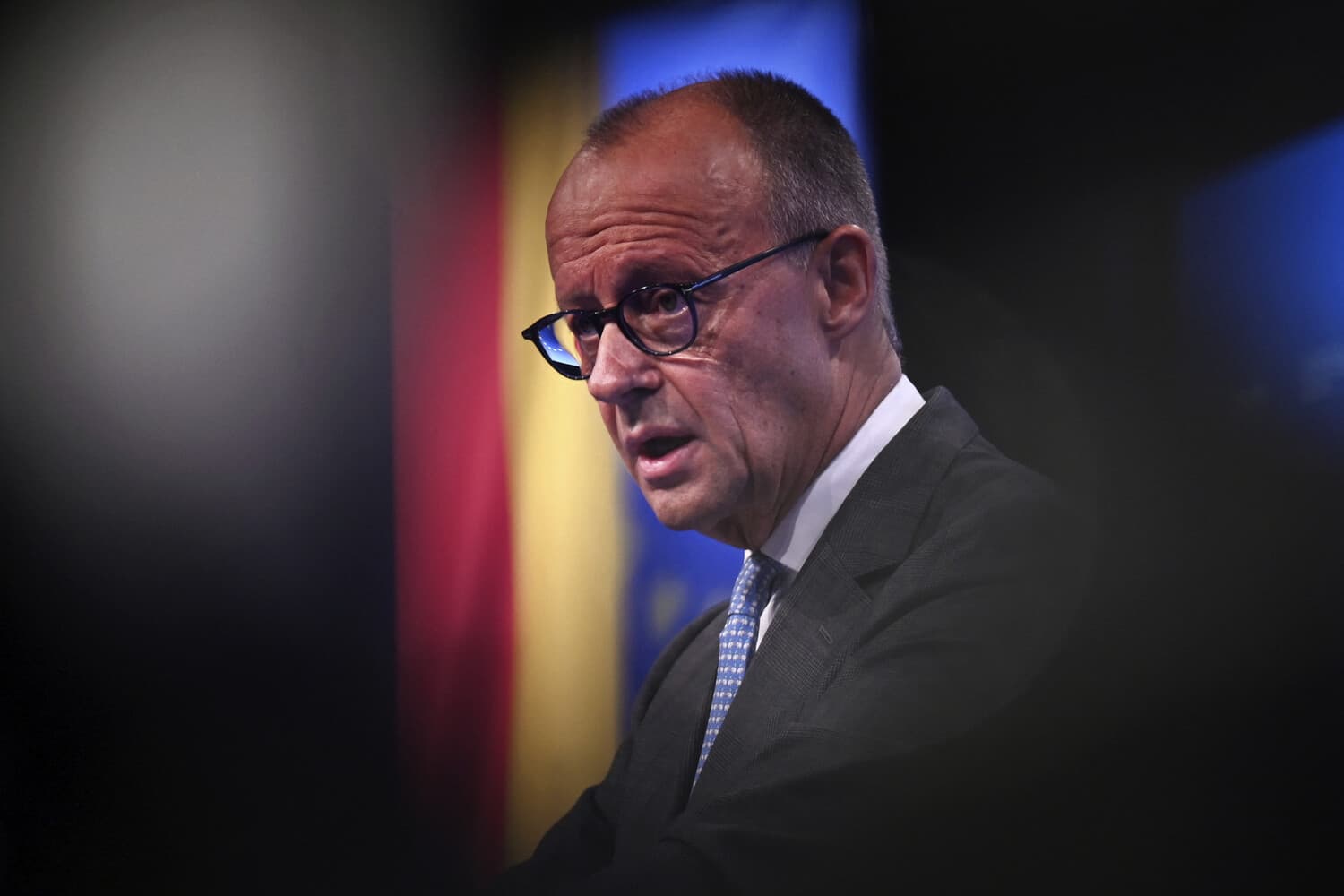
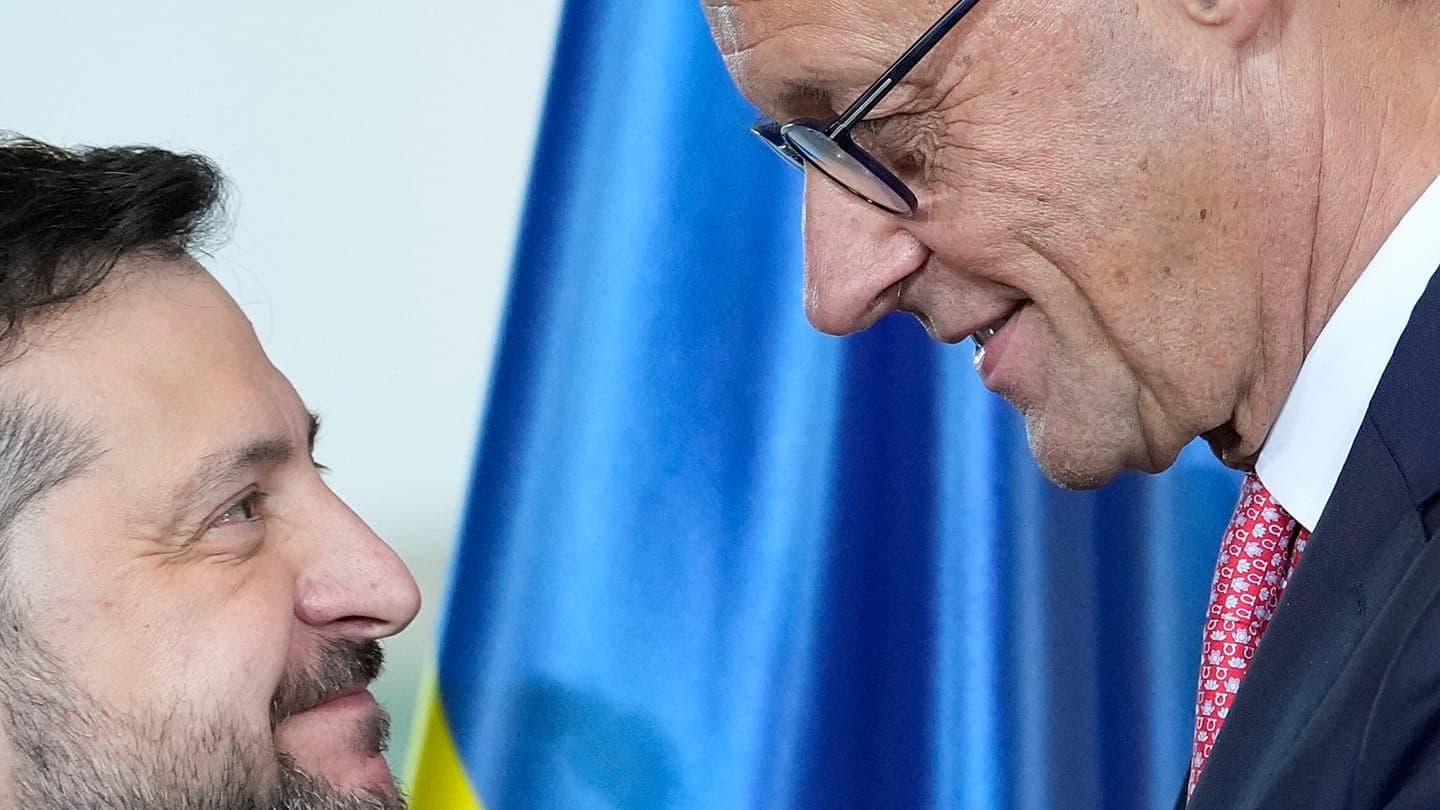
German Chancellor Friedrich Merz has threatened to block the next EU multiannual budget unless all member states commit to financing Ukraine after 2027, including the costs of servicing the debt linked to it. This is reported by euronews in its newsletter. Ukraine, according to estimates cited by the outlet, faces a funding shortfall of €70 billion next year; the EU intends to cover about €45 billion of that on top of the already agreed Ukraine Support Loan of €90 billion for 2026–2027.
Who Doesn't Want to Pay
Merz's position affects countries that have already opted out of the existing loan: Hungary, Slovakia and the Czech Republic have chosen the non-participation option and are not expected to contribute to the additional funding; Bulgaria has also signalled its refusal. At the same time, Merz wrote that the decision must be the result of a 'collective commitment that all of us, without exception, will make a fair contribution' — that is, he opposes new exemptions. Economy Commissioner Valdis Dombrovskis has backed the same line, saying that proposals to cover the shortfall must be supported by 'EU27, not EU24 or any other number of countries.' Not everyone shares Berlin's position, but Merz is not alone either: Irish Finance Minister Simon Harris said that 'an honest multiannual budget for Europe' is impossible without discussing the financing of Ukraine.
Berlin's Double Game and the Risk of Failure
The outlet points to a contradiction in Germany's position: it belongs to the group of 'frugal' countries pushing for cuts to the EU budget, and it has already tried to link the budget negotiations with financing for Ukraine at a special European Council summit in order to pressure the 'cohesion friends.' In the newsletter author's assessment, Merz's ultimatum could backfire: countries that do not want to take part in financing Kyiv may feel cornered if they are forced to pay for Ukraine while simultaneously agreeing to cuts in cohesion funds; in a 'post-Orbán' EU, the outlet writes, the main troublemaker could become Robert Fico.
Background: Talks in Abu Dhabi
The budget dispute is unfolding against the backdrop of Ukraine–Russia talks underway in Abu Dhabi, mediated by the United States. The EU has sent a joint team of senior officials from the European Commission and the European Council, led by Björn Seibert and Anna-Mária Bura, joined by the national security advisers of France, Germany and the United Kingdom, as well as a NATO representative. The main talks, as expected, will remain trilateral; the format of European participation remains unclear. European Commission President Ursula von der Leyen stated that 'any substantive discussions on Europe's security architecture are possible only after a ceasefire in Ukraine is achieved' — an indirect response to US special envoy Jared Kushner. Meanwhile, Donald Trump suggested that Ukraine's territory could change under a future agreement, notes euronews in a separate article.