The key facts
- Lithuania's Foreign Ministry: limiting NATO deployment would have 'existential consequences' for the country
- Vilnius demands participation in any talks on European security
- Budrys allows discussion of a new security system only after a ceasefire and guarantees for Kyiv
Vilnius's position
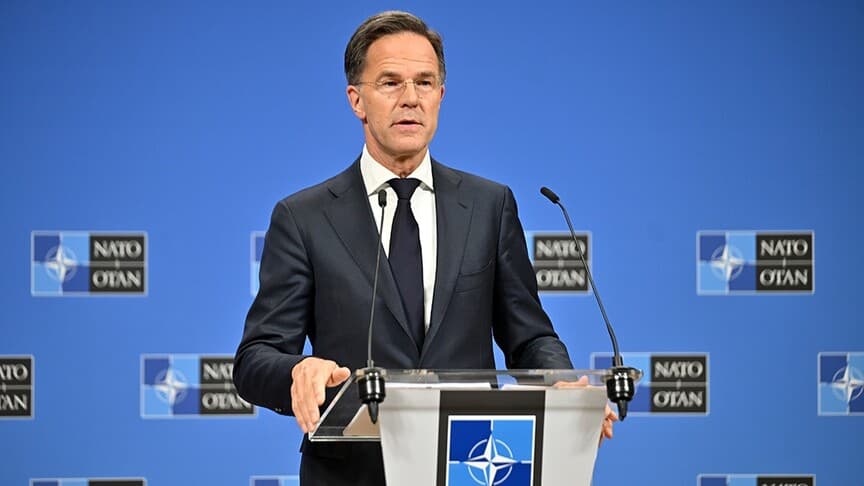
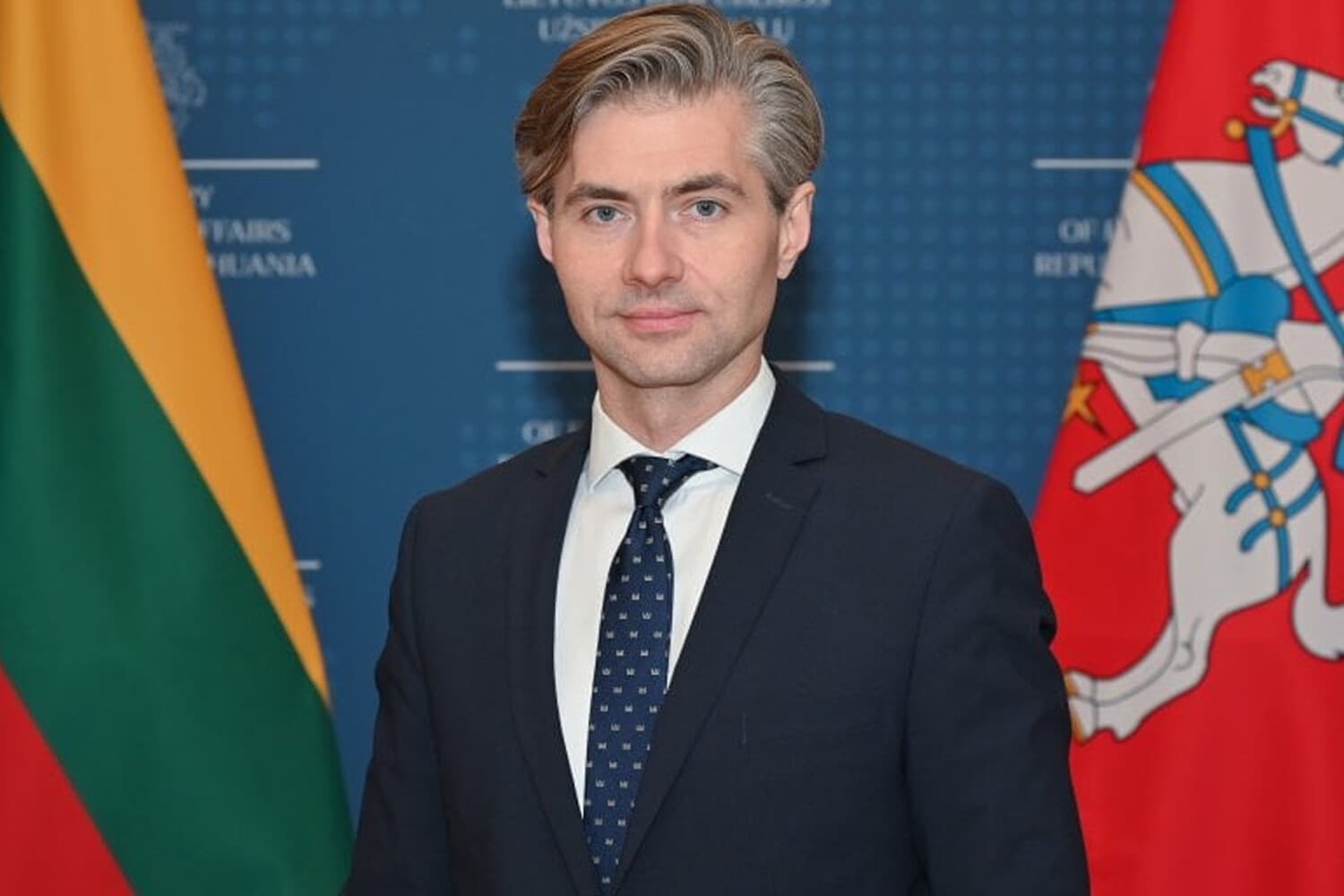
Lithuania will reject any agreement on a new security architecture in Europe if it gives Russia the right to limit the deployment of NATO forces in the region. This was stated by Foreign Minister Kęstutis Budrys; his remarks were reported by Gazeta.Ru citing LRT and the 15min portal. In his view, a return to the format of the Treaty on Conventional Armed Forces in Europe or to similar arrangements is unacceptable, since they would give Moscow 'levers of influence' over the deployment of forces in the region, while Russia would act on its own territory at its own discretion. The minister described restrictions on the deployment of allied forces as having 'existential consequences' for Lithuania.
Demand for participation in the talks
Budrys emphasizedthat agreements on European security cannot be concluded without the participation of European countries, and Lithuania must be present at the talks, since their outcome will primarily affect the country and the entire region along NATO's eastern border. In his view, discussions on a new security system can begin only after a ceasefire in the conflict in Ukraine, agreement on peace terms, and security guarantees for Kyiv.
Context: parallel statements
Vilnius's statement came against the backdrop of a series of remarks by other participants in the discussion. On November 9 German Foreign Minister Johann Wadephul statedthat Europe does not need a new security architecture but rather the restoration of the previous one. On November 10, Russian Foreign Minister Sergei Lavrov said that at the trilateral talks between Russia, the United States, and Ukraine in Abu Dhabi on November 10–11, the central topic would be ensuring collective security in the region. Earlier, on November 6, US President Donald Trump notedthat agreements with Russia and Ukraine on resolving the conflict would be large-scale and would affect all of Europe; Kremlin press secretary Peskov also answered a question about the 'European security architecture' in connection with Steve Kushner's role.