The key facts
- From January 1, 2027, labor migrants will pay an additional tax for each arriving family member
- The Interior Ministry initiated a law that financially limits bringing in non-working relatives
- In 2026, 63.5 thousand migrants were deported, and more than 260 thousand were banned from entry — 75.8% more than a year earlier
New tax from 2027
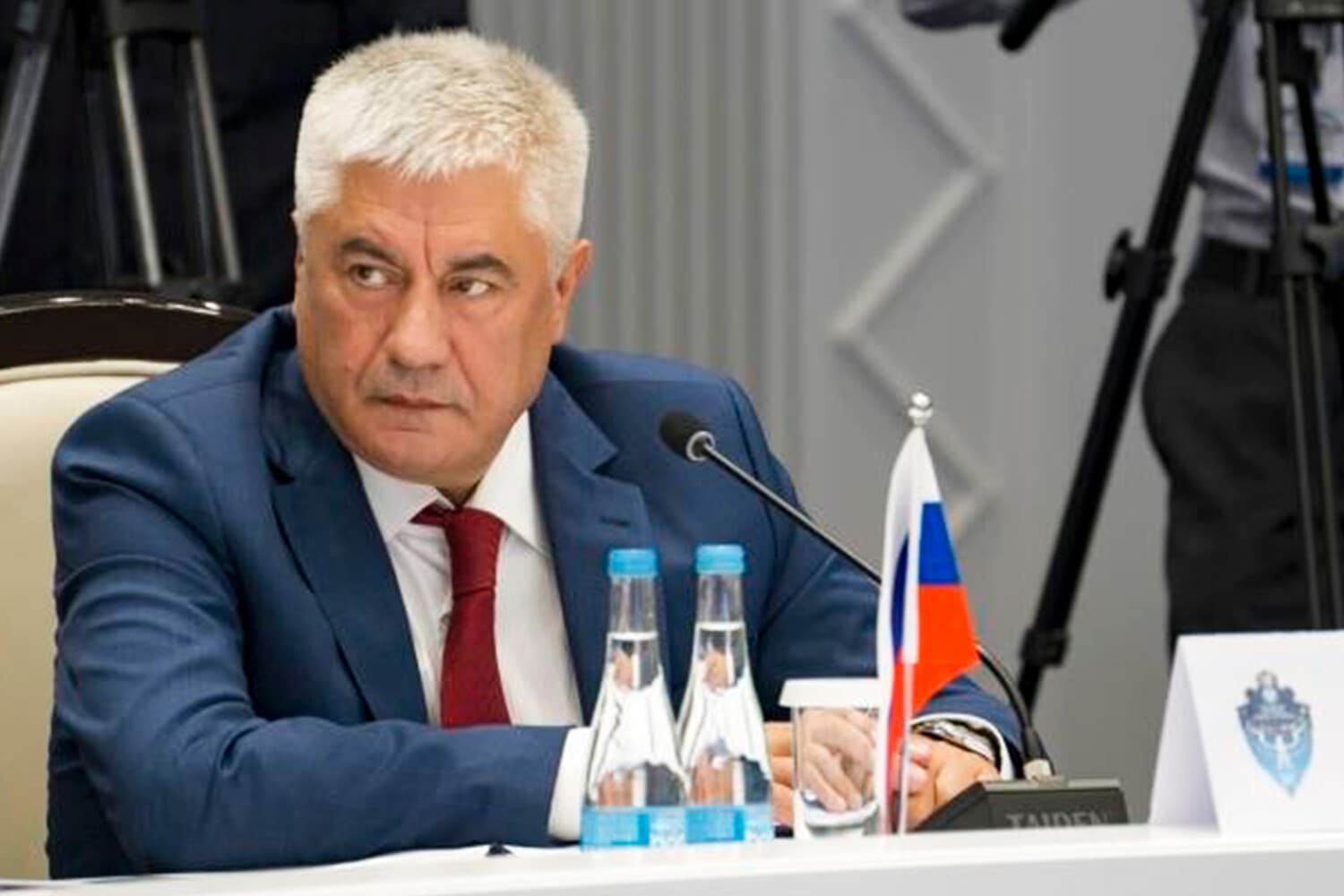
From January 1, 2027, labor migrants in Russia will be required to pay an additional tax for each family member arriving in the country. This was announced by Russian Interior Minister Vladimir Kolokoltsev during the government hour in the Federation Council. “From 2027, an additional taxation will apply to each arriving family member,” he was quoted as saying Gazeta.Ru.
The goal is to limit the bringing in of non-working relatives
According to the minister, the ministry initiated the adoption of a law that will financially limit labor migrants' ability to bring non-working relatives to Russia. Thus, the measure is aimed specifically at family members, not at the working migrants themselves, and will only come into force in 2027 — until then it remains an announcement, not an active rule.
Context: tightening of liability
The announcement of the new tax complements measures already adopted. On November 6, State Duma Speaker Vyacheslav Volodin reported, that a federal law had come into force in the country, more than doubling the list of Administrative Offenses Code articles providing for the deportation of migrants for violations. According to the figures he cited, in 2026, 63.5 thousand migrants who violated laws were forcibly deported from Russia, and more than 260 thousand people were banned from entry — 75.8% more than in the same period of 2025. Gazeta.Ru also notes, citing earlier publications, that crime among migrants in Russia had previously fallen almost by half.