The key facts
- Bulgaria will receive €10 million in emergency aid for search and rescue operations in the Black Sea
- Romania was previously promised the same €10 million, plus up to €50 million for a Maritime Security Hub in Constanța and Varna
- Bulgarian Prime Minister Rumen Radev refused to name those responsible for the attacks until investigations are completed
Emergency funding amid attacks on shipping
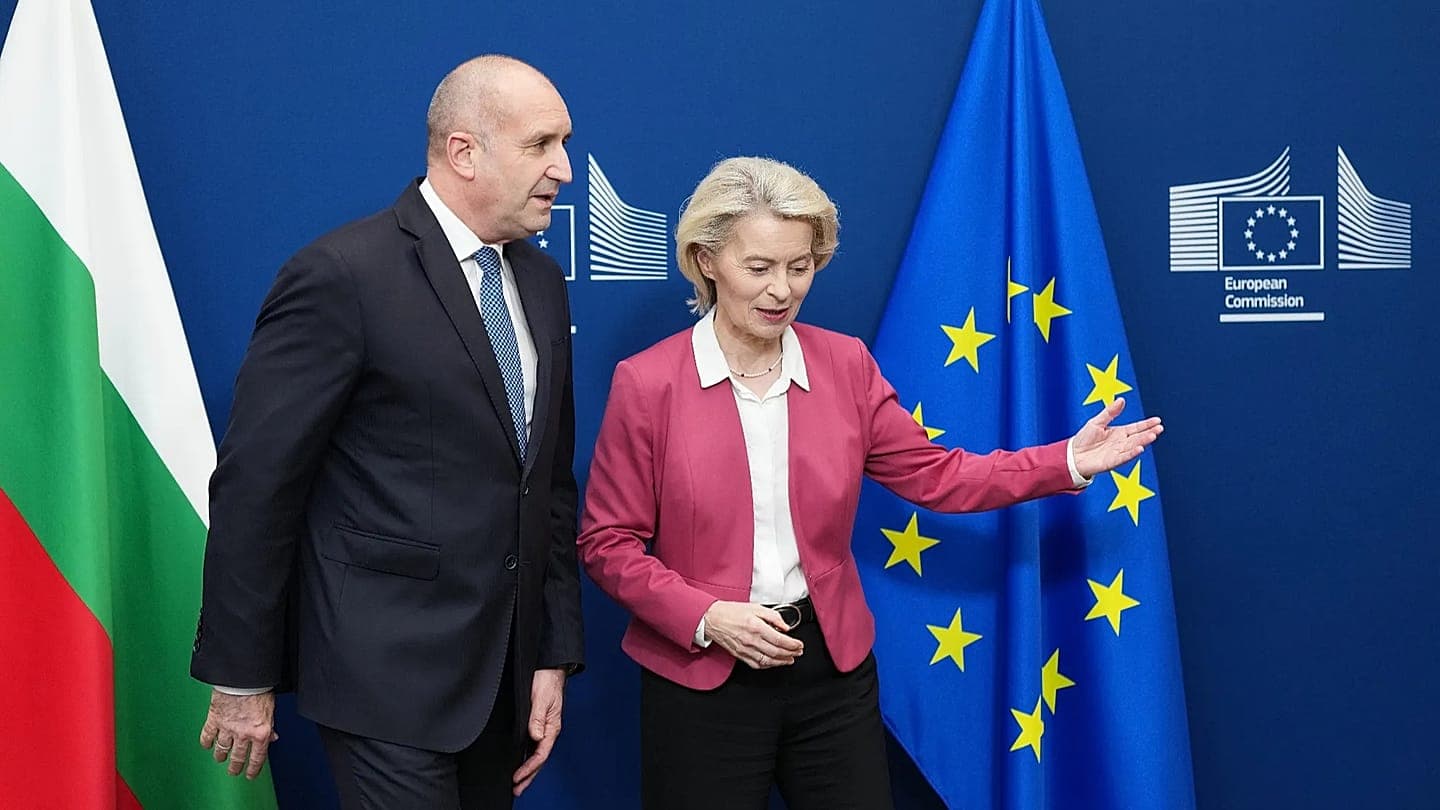
European Commission President Ursula von der Leyen announced on Tuesday that Bulgaria will receive €10 million in emergency funding to strengthen search and rescue operations in the Black Sea, where drone attacks linked to Russia's war against Ukraine have made commercial shipping increasingly dangerous. This was reported by euronews.
Statements in Varna
“Drones are sinking commercial vessels, setting ships on fire and killing civilians. People are dying at sea. Shipping has been disrupted, and insurance costs are rising sharply,” von der Leyen said during a visit to the Nikola Vaptsarov Naval Academy in Varna. According to her, the aim of the attacks is “to spread fear and uncertainty across Europe,” and the EU is responding by strengthening resilience.
Radev's position
Bulgarian Prime Minister Rumen Radev, speaking alongside von der Leyen, declined to assign responsibility for the recent attacks while investigations are ongoing: “We would like to receive additional data and concrete facts about who the perpetrator is.” At the same time, as euronews notes, Radev previously stated that “logic” suggests the attacks are connected to Russia's ongoing aggression against Ukraine. Radev also advocates closer diplomatic dialogue with Russia to end the war.
A broader package for the Black Sea
The visit to Varna was part of von der Leyen's tour of EU countries on the Black Sea: the day before, in Bucharest,she promised Romania the same €10 million for search and rescue operations. In addition, up to €50 million will be reserved for the accelerated creation of the Black Sea Maritime Security Hub, which, according to former Romanian Foreign Minister Oana Țoiu, will be located in the main ports of both countries — Constanța and Varna. The hub is the core of the EU Black Sea Strategypublished in mid-2025, and is meant to coordinate support and cooperation among coast guards in response to threats such as cable damage and arson.
Timeline and context
European Commission spokesperson Paula Pinho clarified that Brussels expects to launch the hub by 2027. Von der Leyen promised a “clear timeline for completion.” Russia has recently intensified its strikes on Ukrainian vessels and Black Sea infrastructure, which Kyiv relies on to export about 90% of its agricultural products; attacks on storage facilities inside Ukraine have also become more frequent. In September, Ukraine's Minister of Agrarian Policy and Food Taras Vysotskyi told euronews that, thanks to European support and the development of “solidarity corridors,” there has been “certain progress” in delivering Ukrainian harvest to markets via the Black Sea.