The key facts
- The Be Ready campaign launched on 22 October and recommends keeping a three-day supply of water, food and cash
- In 10 days, sales of hand sanitiser rose by 83%, water by 67%, and canned goods by 37%
- Worldpanel and Princes note rising demand but no panic buying
Sales surge after the campaign
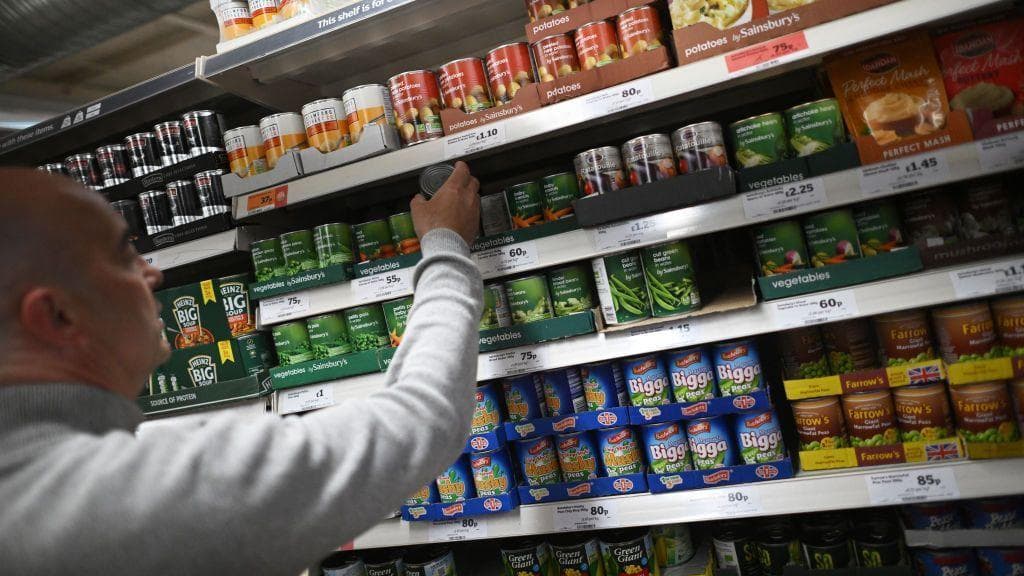
Sales of essential goods in the UK rose noticeably in the first days after the launch of the government's civil preparedness campaign Be Ready. According to the research company Worldpanel by Numerator, in the ten days after the campaign started on 22 October, sales of hand sanitiser increased by 83% compared with the same period last year, bottled water by 67%, and canned and jarred foods by 37%. This is reported by BBC News; the same figures are cited by Gazeta.Ru citing The Independent.
Stockpiling without panic
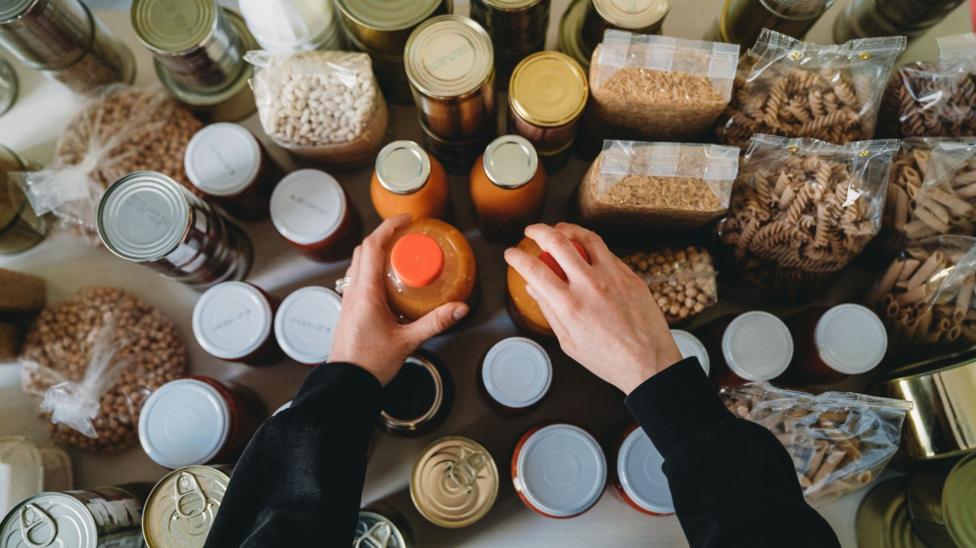
The campaign urges Britons to keep at home a three-day supply of water and long-lasting food — such as dried fruit and nuts — as well as wet wipes, a torch and cash in case key services are disrupted by severe weather or cyberattacks. Worldpanel stresses that this is about planned purchases, not panic: in October, fewer than a third of households bought bottled water, while the number of buyers of canned meat rose by roughly 400,000 people per day, with the average purchase size remaining at around 500 g. “Shoppers have clearly taken note of the Be Ready campaign, but this was not panic buying,” said Fraser McKevitt, head of retail and consumer insight at Worldpanel. Further confirmation of rising demand comes from the food manufacturer Princes: according to the company's acting CEO Giuseppe Mastrolia, demand for canned tuna, meat and vegetables increased after the campaign.
Who made the call, and what about prices
Sources differ on whose appeal they quote: BBC cites Prime Minister Andy Burnham saying that everyone should have “supplies in the house to get through such moments,” while Gazeta.Ru, citing The Independent, quotes Defence Secretary Wes Streeting's call to be “vigilant but not panicking.” Separately, the outlet notes a background trend: food inflation in the UK has accelerated, with supermarket prices 2.6% higher than a year ago, whereas a month earlier the difference was 2.5%. Earlier, according to Gazeta.Ru, Britons had already massively stockpiled toilet paper after one of the authorities' appeals.
 Image source, JUSTIN TALLIS/AFP via Getty Images