The key facts
- Photographs of the dead from two SAS operations in Helmand (2011) published for the first time — 17 killed in total, the youngest aged 14 and 15
- Lead barrister Oliver Glasgow KC described the images as possible evidence of war crimes
- The military police requested forensic examination of the photographs, but it was never carried out; the images have now been sent for forensic analysis
Photographs that contradict the special forces' account
The public inquiry into the actions of British special forces (SAS) in Afghanistan has for the first time published photographs of the dead, taken after two night operations in Helmand province in 2011. The images show several unarmed people lying in bed with gunshot wounds to the head: one is covered with a patterned blanket, others have their heads on pillows, with blood around them. In one image, blood spatter is visible low on the wall, which, according to the inquiry's description, is consistent with a shot fired at a person lying down. In total, 17 people were killed in the two operations; the youngest victims in each were 15 and 14 years old.
Assessment of the evidence and the military police's position
The inquiry's lead barrister Oliver Glasgow KC said the photographs may constitute evidence of possible war crimes and deserve expert analysis: many of the dead, in his words, 'appear to have been shot in the head', and in a number of cases 'there appears to be a dead body with its head on a pillow'. Further analysis, he noted, could establish whether the people were shot in their sleep. In his assessment, the images contradict the SAS's accounts and should have raised serious questions for the military police investigating the operations as possible murders. Colonel John Harvey, who led the military police investigation, agreed that the photographs 'did not look right' and said his team considered them potentially key evidence. Nevertheless, despite repeated requests from investigators, forensic examination of the photographs was never carried out. One of the investigators, who spoke to the BBC anonymously, explained: 'It is clear why we were concerned', adding that the bullet marks so low on the wall appeared to undermine the special forces' account. The inquiry has now sent the images for forensic analysis.
What the inquiry is examining and how earlier publications connect
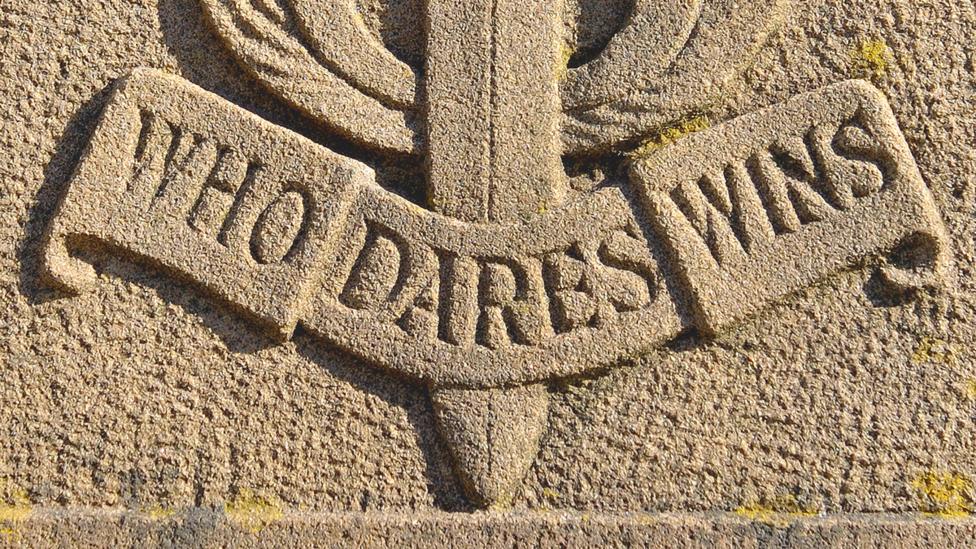
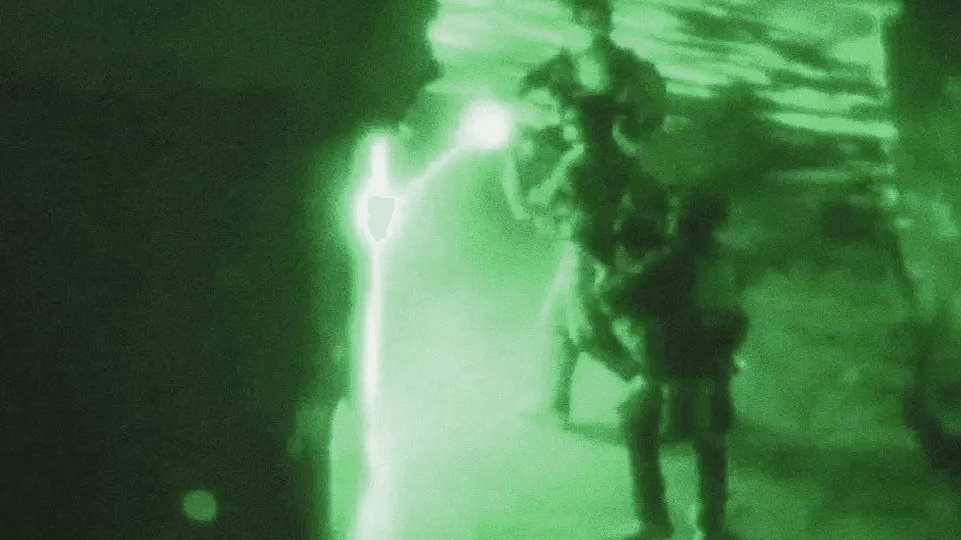
The inquiry is examining allegations that the SAS killed unarmed civilians and detainees during night raids in 2010–2013 and planted weapons to cover up the killings. The special unit's official accounts of the incidents claim that Taliban fighters opened fire on troops as they entered the compounds, forcing the SAS to respond. The inquiry was established in 2022 following revelations by the BBC Panorama programme, which has spent more than eight years investigating allegations of executions of unarmed civilians and children. In 2022, Panorama gathered evidence on four raids in which 26 people were killed, and was the first British investigative team to visit the shooting sites — the same guest houses where the now-published photographs were taken. According to the programme, weapons experts indicated that many of the shots, judging by the marks, were fired from above, suggesting people lying or sitting against the wall rather than a firefight; relatives reported clean shots to the head or chest. In the BBC's assessment, the new photographs are consistent with the findings of that investigation.
Questions about the quality of the investigation
The inquiry also heard testimony casting doubt on the thoroughness of the examination of possible war crimes: military police officers were already collecting evidence in Afghanistan in July 2019 — searching for witnesses to unlawful killings and the planting of weapons — while senior officers were preparing to close the murders case and report to ministers. One man who served in the Afghan partner unit alongside the SAS told the military police that he personally saw a British soldier place a rifle on an unarmed dead man.
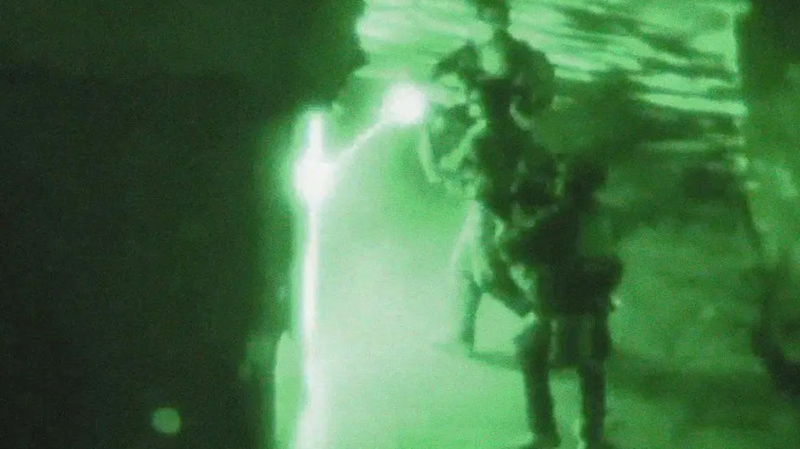
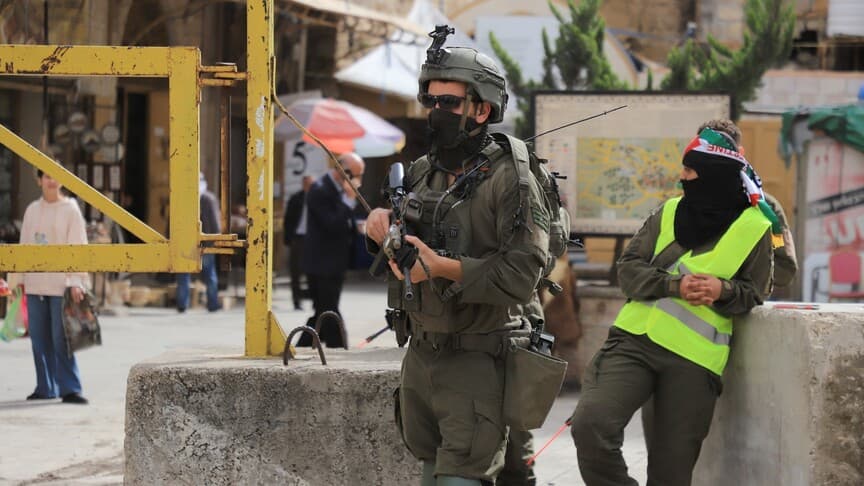
The SAS carried out night raids with Afghan special forces to target the Taliban