The key facts
- NURA Electric won a tender in Cambodia worth $2 million — the president's press secretary announced this at the November 9 meeting
- Banks must develop, within a month, a simplified procedure for issuing guarantees based on an assessment of companies' financial condition
- Requirements for the share of local electrical products (25% in PPPs, 70% for cables) will be extended to projects worth more than $10 million with benefits
A win in Cambodia and the guarantee problem
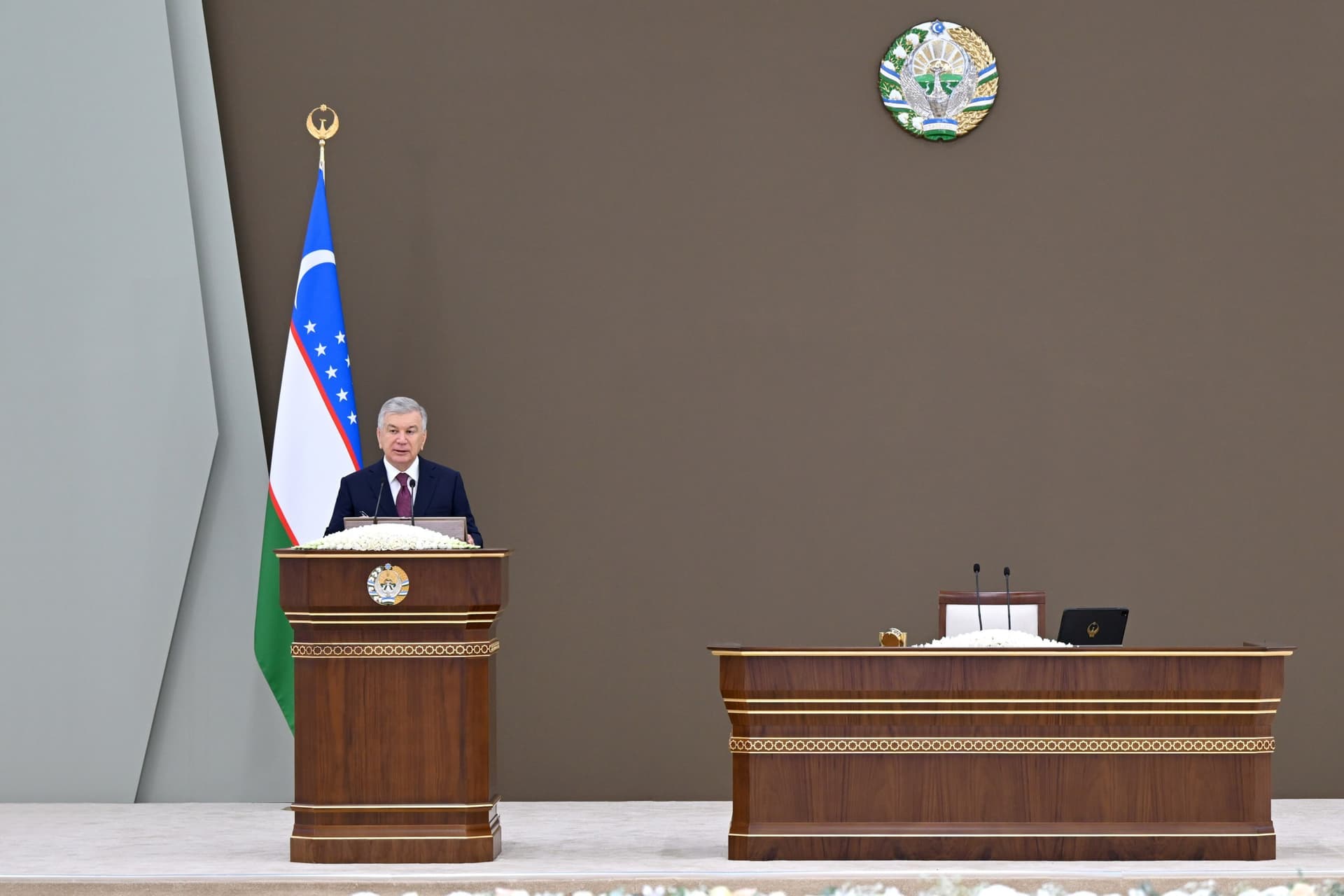
On November 9, at a meeting of President Shavkat Mirziyoyev with representatives of the electrical engineering industry, entrepreneurs and investors, the head of state's press secretary Sherzod Asadov announced that the company NURA Electric had won a tender in Cambodia worth $2 million. This was reported by Kun.uz and Spot.uz. According to the outlets, Uzbek electrical engineering enterprises have begun participating in foreign government procurement, but for large international tenders it is difficult for them to obtain bank guarantees: for example, for a $10 million guarantee a bank requires collateral of an equivalent amount.
What has been ordered to change
The President emphasized the importance of supporting enterprises with production experience, stable turnover and financial capacity. Banks have been instructed to develop, within one month, a simplified procedure for issuing guarantees based on an assessment of a company's financial condition, and to announce it to entrepreneurs. This decision differs from the previous rule, under which collateral had to equal the amount of the guarantee.
Local products in large projects and 'Shaffof qurilish'
The meeting also expanded requirements for the use of local electrical engineering products. Currently, in public-private partnership projects in the energy sector, the share of local products must be at least 25%, and for cable products — 70%. These requirements will be extended to investment projects worth more than $10 million that enjoy tax and other benefits or receive cheap resources from the state. In addition, manufacturers of substations, transformers, switchboards and high-voltage cables also offer construction and installation services, but the 'Shaffof qurilish' platform imposes on them the same requirementsas on building contractors, without taking into account the technological specifics of the industry. Within a month, a separate section for energy projects with requirements for contractors adapted to the sector is planned to be created in the system.