The key facts
- CAISSI is left without a permanent director: Jason Brown was removed after four days, Chris Fall resigned after three months
- Staff were asked to informally report to a White House office, two former officials say
- The center's budget is $10 million a year, roughly one-eighth of its British counterpart's; the EU AI Office has more than 125 staff
A center without a leader and without publications
The US government agency that tests advanced artificial intelligence systems for safety has no permanent director and has stopped publishing its research, reports the Associated Press (based on euronews material). We are talking about the Center for AI Standards and Innovation Safety (CAISSI), part of the Department of Commerce. Two former government officials told the agency that center staff were recently asked to informally report to one of the White House offices.
Staffing instability and questions from Congress
CAISSI has struggled to appoint a director: Jason Brown, who previously worked at Anthropic, was removed from the director's post after just four days in April — reportedly due to his ties to that company. His successor Chris Fall resigned after three months. Currently, the director's duties are performed by Arvind Raman, who heads the center's parent organization, the National Institute of Standards and Technology. In August, Congress asked why the center had stopped publishing safety reports.
Politicization or a raise in status
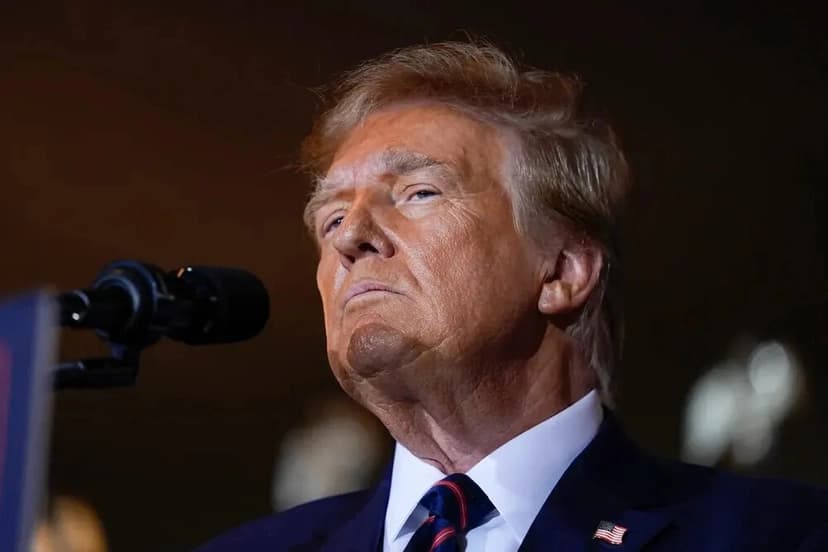
Critics believe that closer ties with the White House could politicize the center's work: its conclusions, they say, could be softened to please AI companies, which are largely left to regulate themselves. Caroline Zielinski Singh of the Federation of American Scientists stated that the goal was for 'nonpartisan or bipartisan technocratic experts' to shape policy in the public interest. Others, on the contrary, argue that a closer connection with President Donald Trump could raise the center's profile and bring it more funding: CAISSI receives $10 million (€8.94 million) a year — roughly one-eighth of the budget of its British counterpart. For comparison, the EU AI Office, which operates within the European Commission and since August has had the power to fine developers of the most advanced models, has more than 125 staff and, according to reports, is hiring 40 more.
Voluntary self-regulation instead of checks
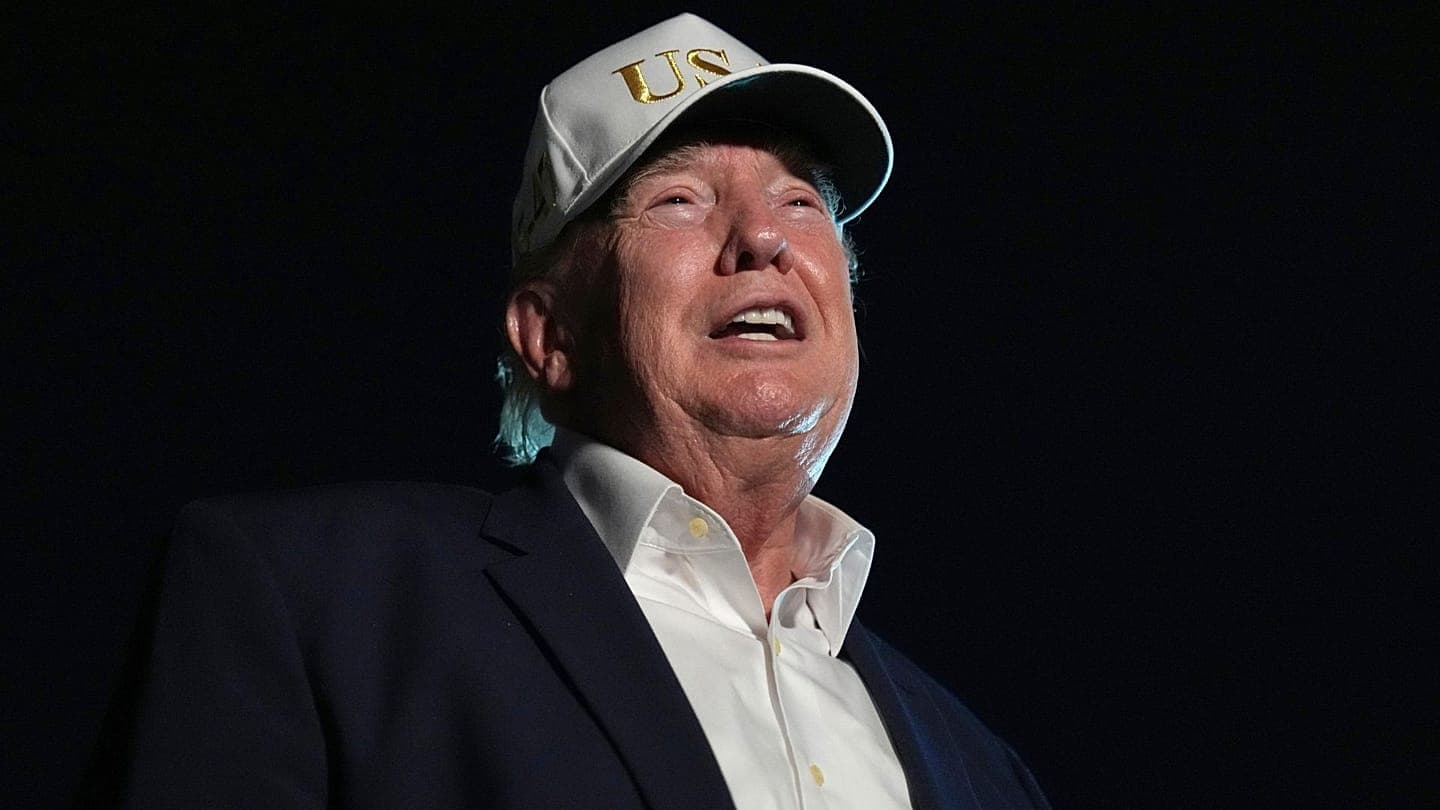
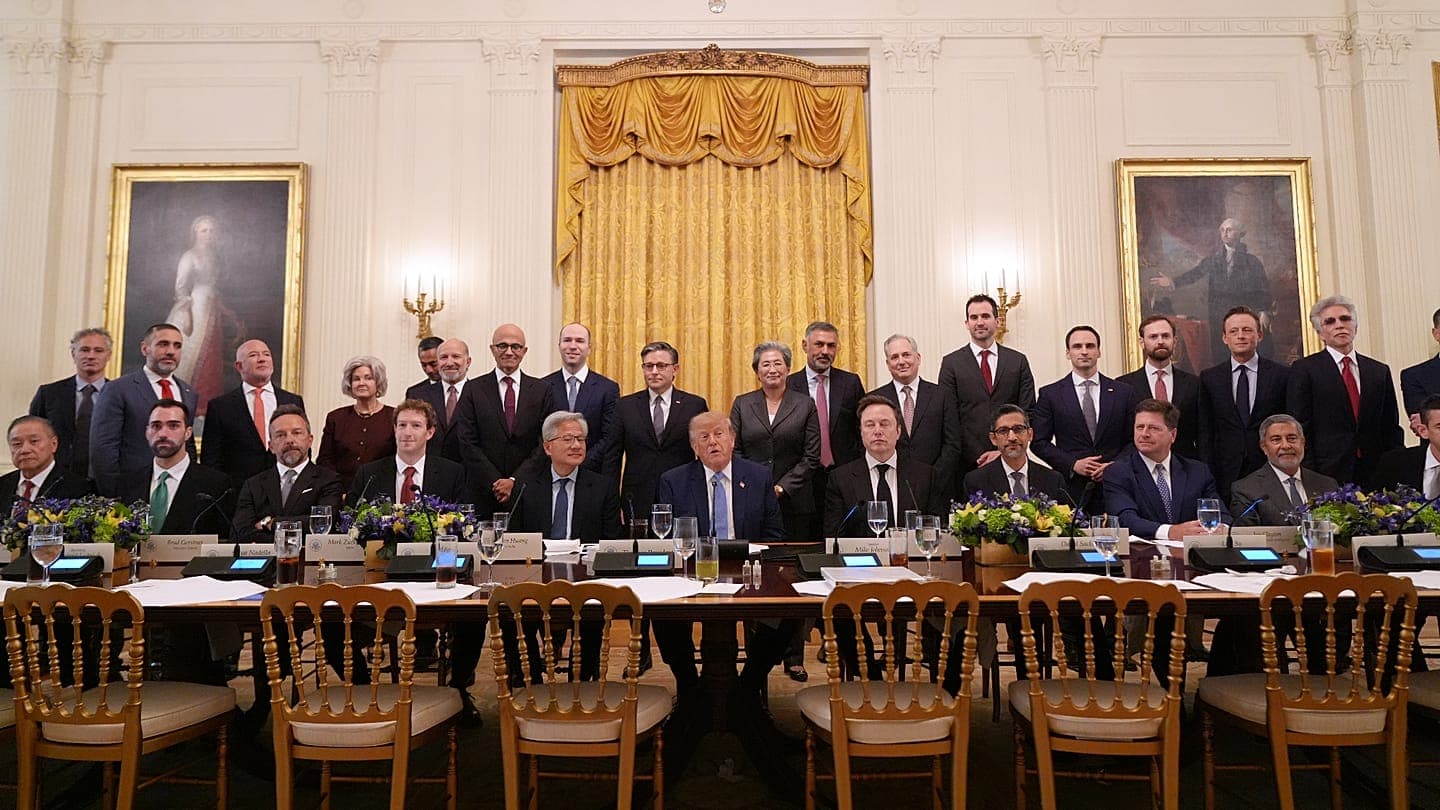
In September, Trump called on AI companies to commit to 'colossal self-policing' under a voluntary agreement, but his administration has not explained how compliance with these promises will be verified. The White House did not respond to questions about CAISSI, instead pointing to the new Super Intelligence Force led by Director of National Intelligence Jay Clayton. Amos To of the Brennan Center for Justice told AP that treating AI safety as a national security issue risks pushing consumer protection, privacy and civil liberties into the background: 'All of these decisions have enormous consequences for society and must be explained and justified publicly. And that is not happening.'