
The key facts
- Carlos Silva Filho urged Brazil to accelerate the adoption of the circular economy and stop resource extraction in the Amazon
- According to the Global Waste Management Outlook 2024, waste spending will rise from $252 billion to $640 billion by 2050 without changes
- The expert called Turkey's Zero Waste initiative a model for international dissemination
A call to accelerate the protection of the Amazon
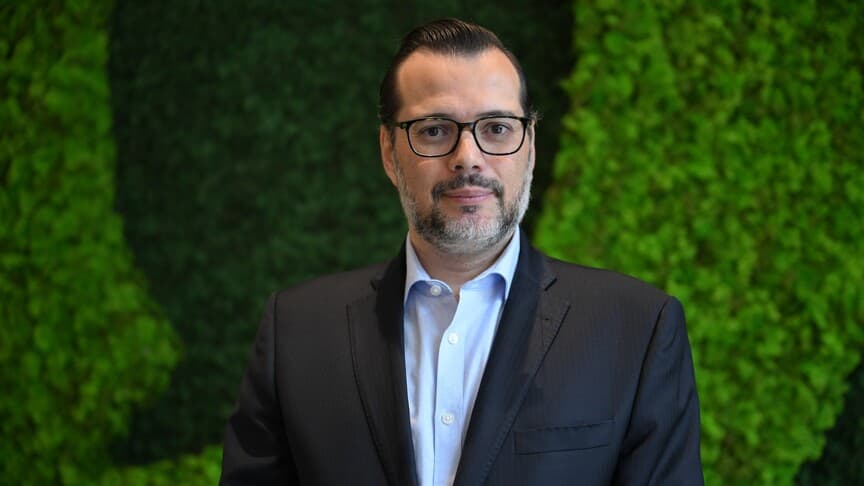
Brazil must step up its efforts to protect the Amazon rainforest, limit the extraction of natural resources and expand circular economy practices, a member of the UN Secretary-General's Advisory Board on Zero Waste said on Monday Carlos Silva Filho told the Anadolu Agency on the sidelines of the COP31 climate summit in Antalya. “The challenges are enormous because the Amazon is enormous,” he said, adding that it is necessary to “take additional measures to truly stop the extraction of natural resources” from the region.
The strategy exists, implementation is lacking
Filho, who is also co-curator of the Zero Waste pavilion at COP31, positively assessed Brazil's recently developed national circular economy strategy as a step toward a more preventive approach to waste management. However, in his view, policy adoption is not enough without accelerated implementation: “The seed has been planted, the concept exists, but we need to speed up decisions.” He also highlighted financing for the transition to sustainable practices as a central issue in international climate negotiations.
The economics of waste: $252 billion today, $640 billion by 2050
The expert warned that maintaining current waste management practices will increase the financial burden on states. Citing the Global Waste Management Outlook 2024 report, whose coordination he helped lead, Filho gave an estimate: the global waste management system currently costs about $252 billion a year, and by 2050 this figure will reach $640 billion if the current scenario continues. According to the UN Environment Programme (UNEP) report, a transition to a circular economy could yield a net annual gain of $108.5 billion. “The way we do it now costs more than transitioning to a zero waste approach,” he emphasized.
The climate potential of zero waste
Filho noted a common misconception: zero waste is not a solution for managing already discarded materials, but an approach aimed at preventing waste generation. As he explained, waste prevention reduces demand for raw materials, while composting organic matter and producing alternative fuels can cut emissions across several sectors. Although the waste sector is directly responsible for only 3–5% of global greenhouse gas emissions, broader measures on waste prevention and the circular economy could deliver emission reductions of up to 20%. He welcomed the decision by the COP31 presidency and its high-level climate champion to make zero waste a priority of the summit in Antalya.
The Turkish experience as a model
Separately, Filho assessed the Turkish Zero Waste initiative, promoted by First Lady Emine Erdogan and launched in 2017. According to him, Turkey has shown how to take the issue from the national level to the global one, including by bringing it before the UN General Assembly, and that “practical solutions can be implemented to protect the planet.” He called the commitment started in Turkey one “that the whole world must embrace.” The COP31 summit is being held in Antalya from November 9 to 20.