The key facts
- Anwar Gargash said that deterrence and diplomacy 'reinforce each other' rather than contradict one another
- He acknowledged that Gulf solidarity during the crisis 'could have been stronger and more effective'
- US-Iran talks through intermediaries continue amid pressure for de-escalation
Deterrence as a condition for diplomacy
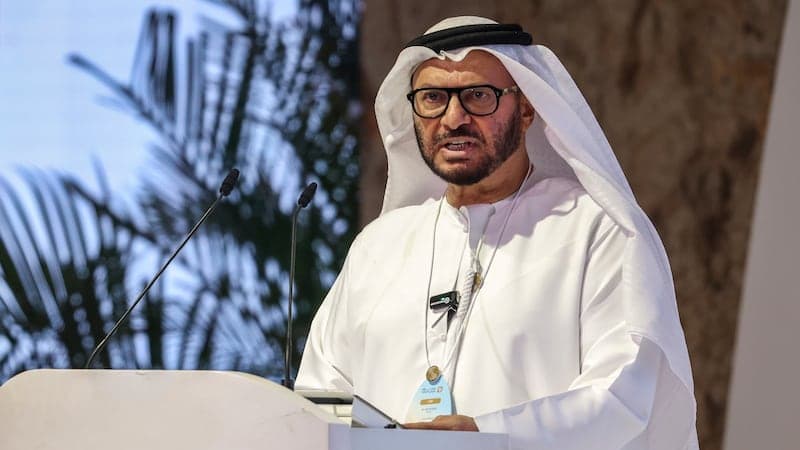
Deterrence and diplomacy go hand in hand and do not contradict each other, even as Iranian strikes on the region and indirect talks on ending the war continue, said Dr Anwar Gargash, diplomatic adviser to the President of the UAE, Sheikh Mohamed, speaking at the Abu Dhabi Strategic Debate forum. 'Deterrence is not an end in itself. Its purpose is to prevent further aggression, but it is also necessary to create the political conditions in which diplomacy can succeed. These principles do not contradict each other; they reinforce each other,' The National quoted him as saying.
Context of the war and the talks
According to the outlet, the war began in February with attacks by the US and Israel; since then, Tehran has struck civilian targets in the Gulf states, Jordan and Iraq, as well as ships in the Strait of Hormuz. Iran-backed Houthis have recently been attacking oil infrastructure and airports in Saudi Arabia. Talks between the US and Iran through intermediaries continue amid growing pressure for de-escalation: the US administration acknowledged that the Democrats' victory in last week's midterm elections reflected voters' anti-war sentiment. 'It may be too early to assess the impact of the midterms on Washington's approach to Iran, but we remain hopeful that the outcome will strengthen efforts to find diplomatic solutions that ensure lasting peace and stability in the Gulf,' Gargash said.
Criticism of Gulf solidarity and a signal to Iran
In his speech, Gargash once again expressed regret that the solidarity of the Gulf states in response to the Iranian attacks, which have affected every state in the region since the war began on 28 February, 'could have been stronger and more effective.' According to him, this does not require uniformity on all issues: differences between neighbours are natural, but trust in collective relations in the Gulf must be restored. Despite fresh threats from Tehran — on Sunday the Islamic Revolutionary Guard Corps said that ships passing through the Strait of Hormuz via unauthorised routes 'will not escape' explosions and major fires — Gargash stressed that Iran and the Gulf states share a common interest in avoiding a 'permanent' war. 'Dialogue is not a concession, but a strategic necessity,' he said, adding that future negotiations must not repeat the outcomes of the war and must demonstrate a 'change in behaviour.'