The key facts
- Trump met with Kirill Dmitriev in the Oval Office; no public data on the meeting is available
- The political scientist believes the focus of the discussion was 'pan-European security,' interpreted differently by the sides
- Economic proposals discussed include Arctic development and a tunnel across the Bering Strait costing about $60 billion
A meeting without Ukrainians and without public outcomes
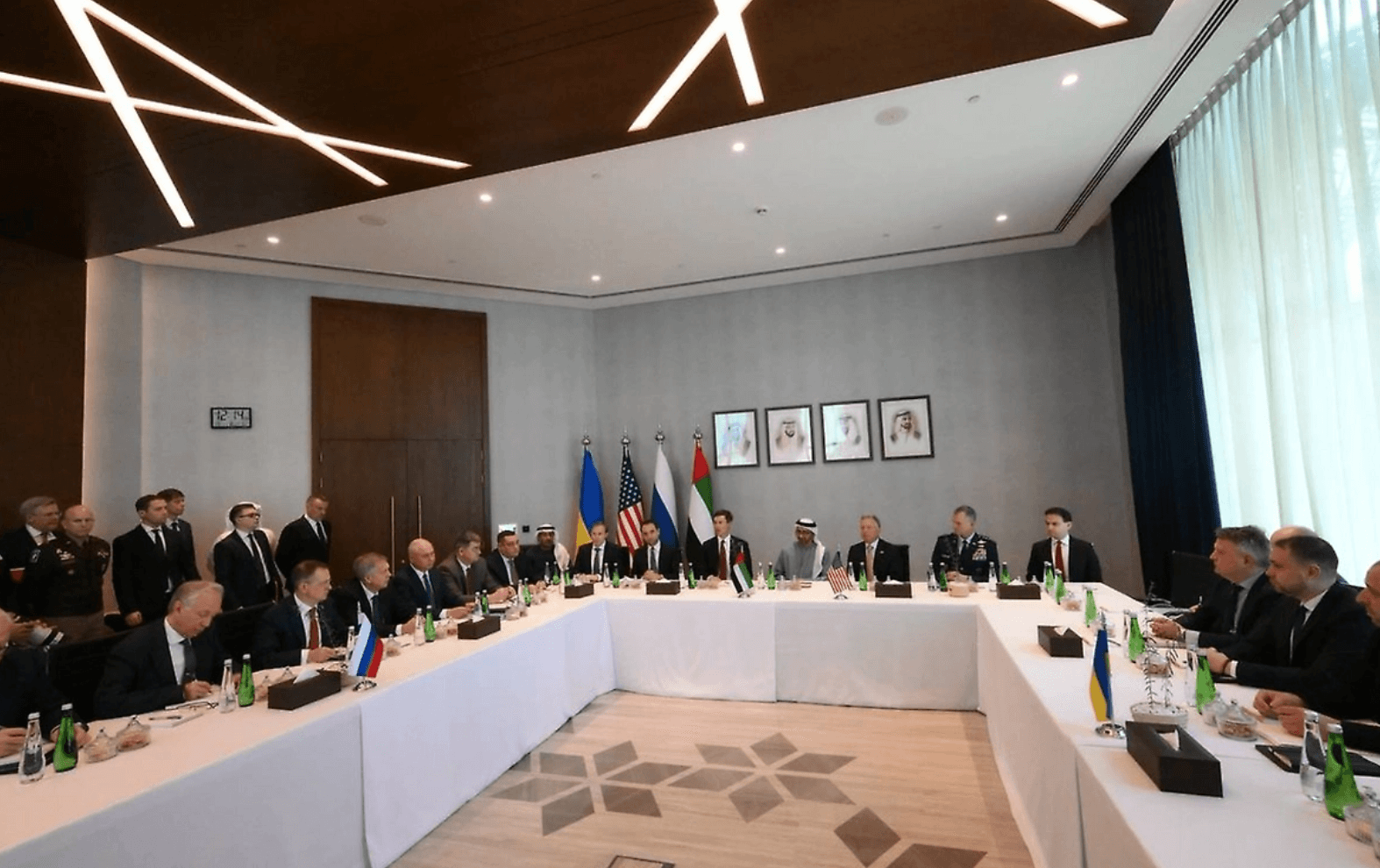
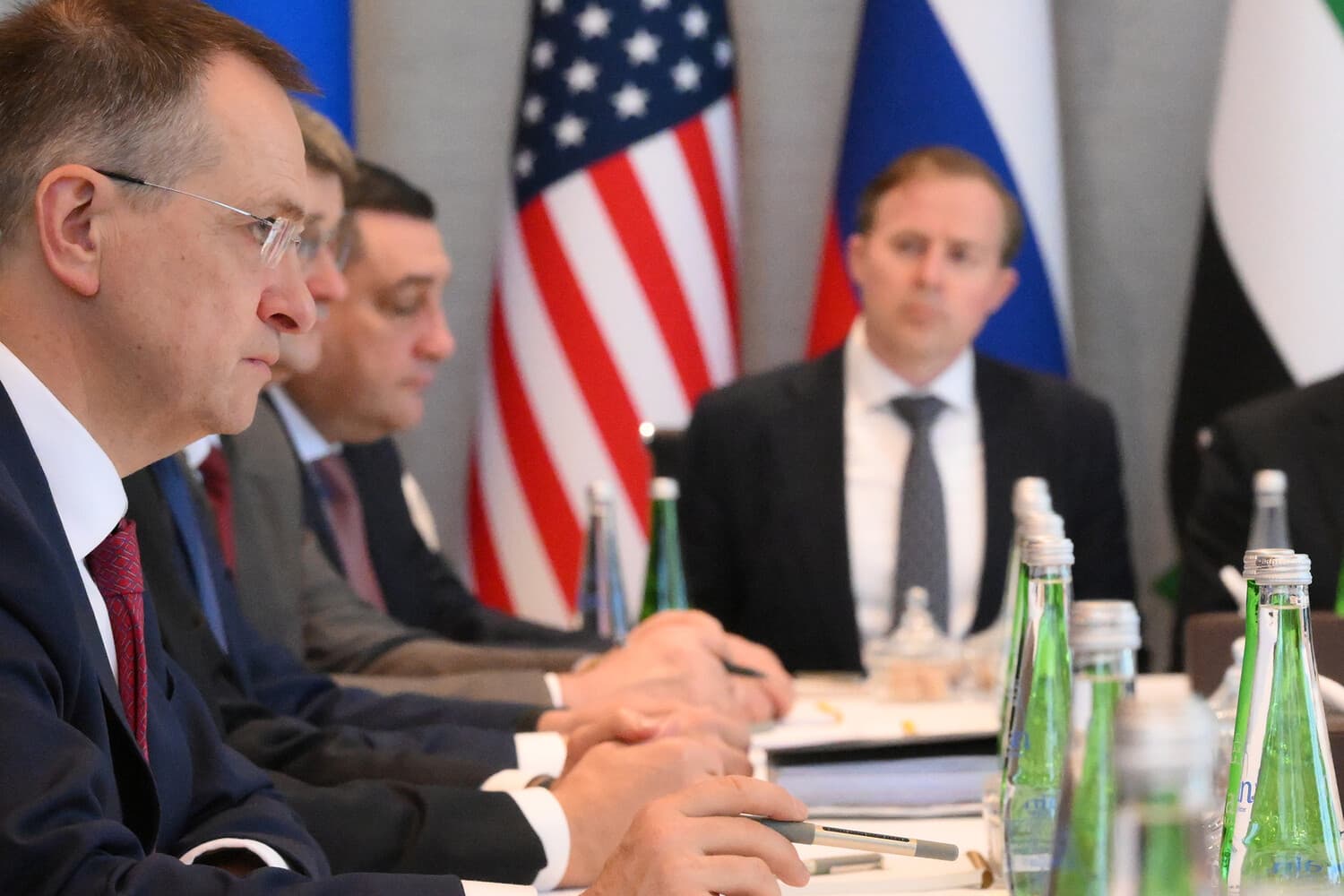
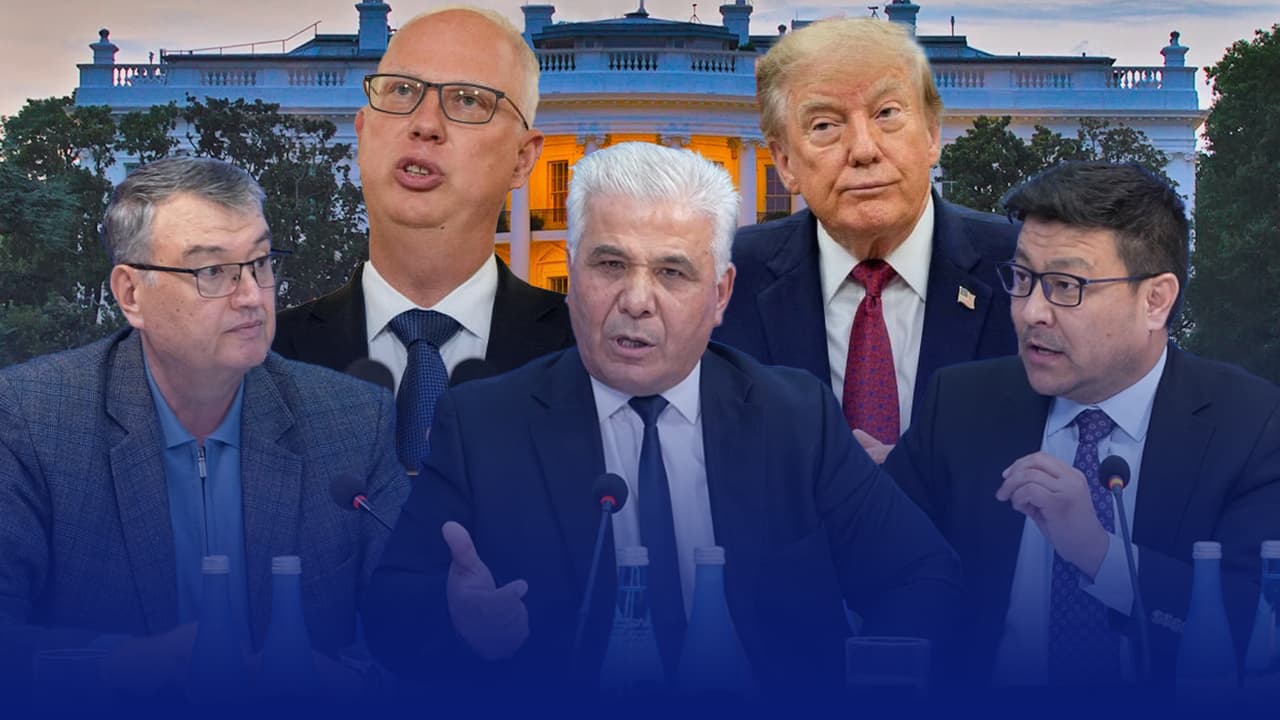
US President Donald Trump received Kirill Dmitriev, the special representative of Russian President Vladimir Putin, at the White House. The meeting took place without the participation of the Ukrainian side, and no information about its substance leaked to the press — as reported by Kun.uz citing commentary by political scientist Shukhrat Rasul.
What, in the expert's view, was discussed
Rasul cautions that his considerations are a personal assumption: Dmitriev likely conveyed Putin's special conditions to Trump and is coordinating further steps. In his assessment, despite the defeat of Trump's party in the elections and Congress passing into Democratic control, Trump's favorable attitude toward Russia has not changed. At the center of the current discussions, the expert believes, is the concept of 'pan-European security,' which the sides understand differently.
Two interpretations of 'pan-European security'
Russia, according to Rasul, interprets this concept as a return to the principles of the Potsdam Conference: in Moscow's understanding, this means the withdrawal of NATO military infrastructure deployed after 1997 from the territories of countries that joined the alliance after that period, and the restoration of a neutral status for Eastern Europe. The European Union, however, includes Ukraine in this notion: for Brussels, it is an integral part of Europe, its first line of defense and security shield.
Economic proposals as a backdrop to political demands
The expert notes that Dmitriev, unlike Lavrov and other representatives, presents Russia's demands to the West in a softer form — through economic benefits. Alongside political conditions, he offers Western companies participation in the development of Russia's Arctic natural resources. Also discussed was a project for a tunnel across the Bering Strait between Alaska and Russia, costing about 60 billion dollars. Rasul is skeptical about its practical feasibility — due to the sparse population and weak infrastructure on both sides of the strait — and believes such proposals serve to mask the main political goal: restoring Russian influence in the post-Soviet territories and in Eastern Europe.