The key facts
- Trump called new strikes on Iran 'highly unlikely,' but said three aircraft carriers are 'fully ready'
- Talks are suspended after the Republicans' loss in the November 3 midterm elections, Abbas Araghchi said
- Qatar denied rumors of the collapse of the talks; Tehran transmitted a proposal on its nuclear program via Doha
Trump: strikes are 'highly unlikely,' but the military is ready
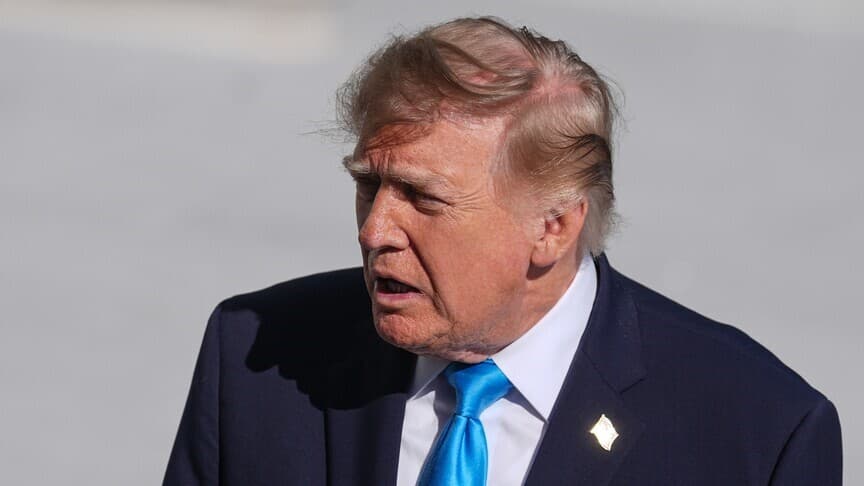
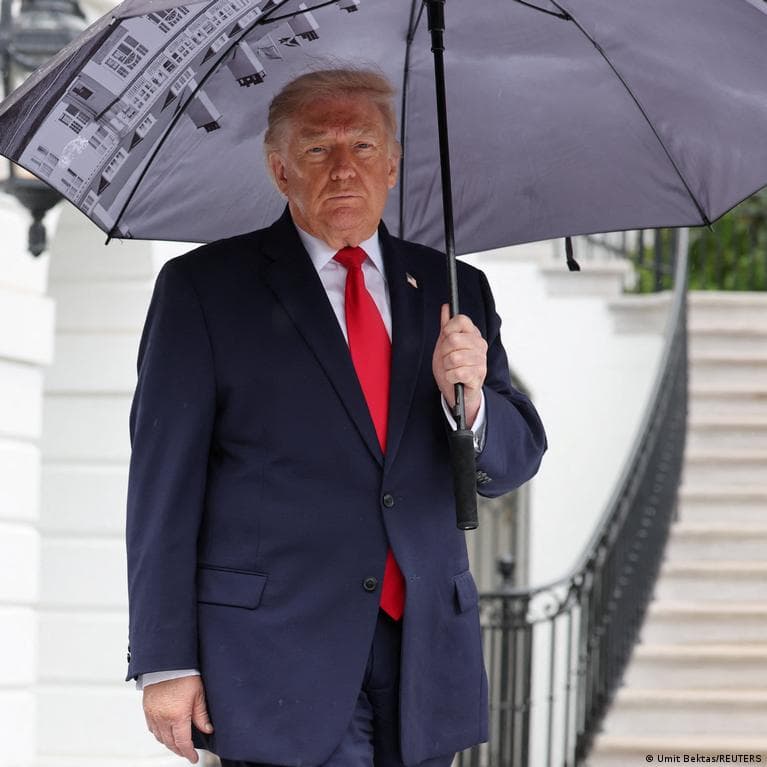
US President Donald Trump, in an interview with CNN, tried to ease concerns that the US is ready to resume a military campaign against Iran. 'It depends on whether they sign a very strong agreement,' he said on Sunday, adding that it is 'highly unlikely' that strikes will be needed. At the same time, Trump repeated that the American military is 'ready' for a new round of strikes and could 'finish off' Iran: according to him, three aircraft carriers are in the region, 'fully loaded,' and the military has 38 bridges in its sights that could be 'knocked down in literally an hour' (Deutsche Welle).
The context of eight months of conflict
Trump ordered the attack on Iran in late February, after the US ally Israel carried out what it itself called a 'preemptive strike'against its largest regional rival. Since then, the US president has repeatedly declared victory and claimed that a peace deal has been concluded or is nearly ready; Tehran has rejected these assertions. According to Deutsche Welle, despite Trump's statements about Iran's collapse, it continues to strike US allies in the region and maintains at least a partial blockade of the Strait of Hormuz, while the Tehran-aligned Houthis attack targets in Saudi Arabia, including the capital Riyadh.
The fate of the memorandum and the pause after the elections
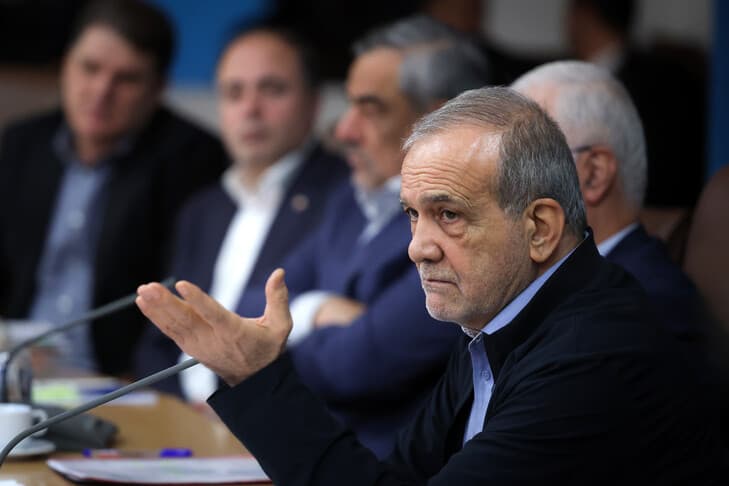
The most tangible diplomatic result since the start of the war was the signing in June of a memorandum of understanding between Iran and the US in Islamabad, but the talks fell apart, and the memorandum expired in August — the parties remained in a military and diplomatic deadlock. The conflict proved unpopular among Americans and became a prominent theme of the campaign for the midterm elections on November 3, in which Trump's Republicans lost their majority in Congress. On Sunday, Iranian Foreign Minister Abbas Araghchi said that peace talks have been suspended since the election, calling its result a 'shock': 'Now we will have to see how long it takes them to digest these results in order to determine how we will move forward.'
Qatar denies the collapse of the talks
Qatar, acting as one of the mediators, denied rumors of the collapse of the talks: on Saturday, the country's prime minister said that both sides continue working on an agreement. In addition, Reuters, citing a senior Iranian official, reported that Tehran transmitted a proposal on its nuclear program to Washington via Qatar; further talks, according to the official, depend on the US meeting Iran's demands, including the lifting of sanctions, the unfreezing of Iranian funds, and war reparations.