The key facts
- TechCrunch listed nine apps as an alternative to doomscrolling, with prices and platforms
- According to a survey from last year, 64% of Americans admit to doomscrolling
- Researchers link long scrolling sessions to brain fatigue, focus problems, and sleep
Why the roundup appeared
TechCrunch published an updated piece on November 8, 2026 with a roundup of apps that suggest filling your phone with something other than an endless feed. The reason was the sheer scale of the habit: according to a survey from last year, 64% of Americans say they engage in doomscrolling — hours-long consumption of social media content. The outlet also cites researchers' warnings: long periods of scrolling can lead to brain fatigue, difficulty concentrating, and disrupted sleep, while the prevalence of negative content can leave a feeling of gloom, anxiety, and emotional exhaustion.
What made the list
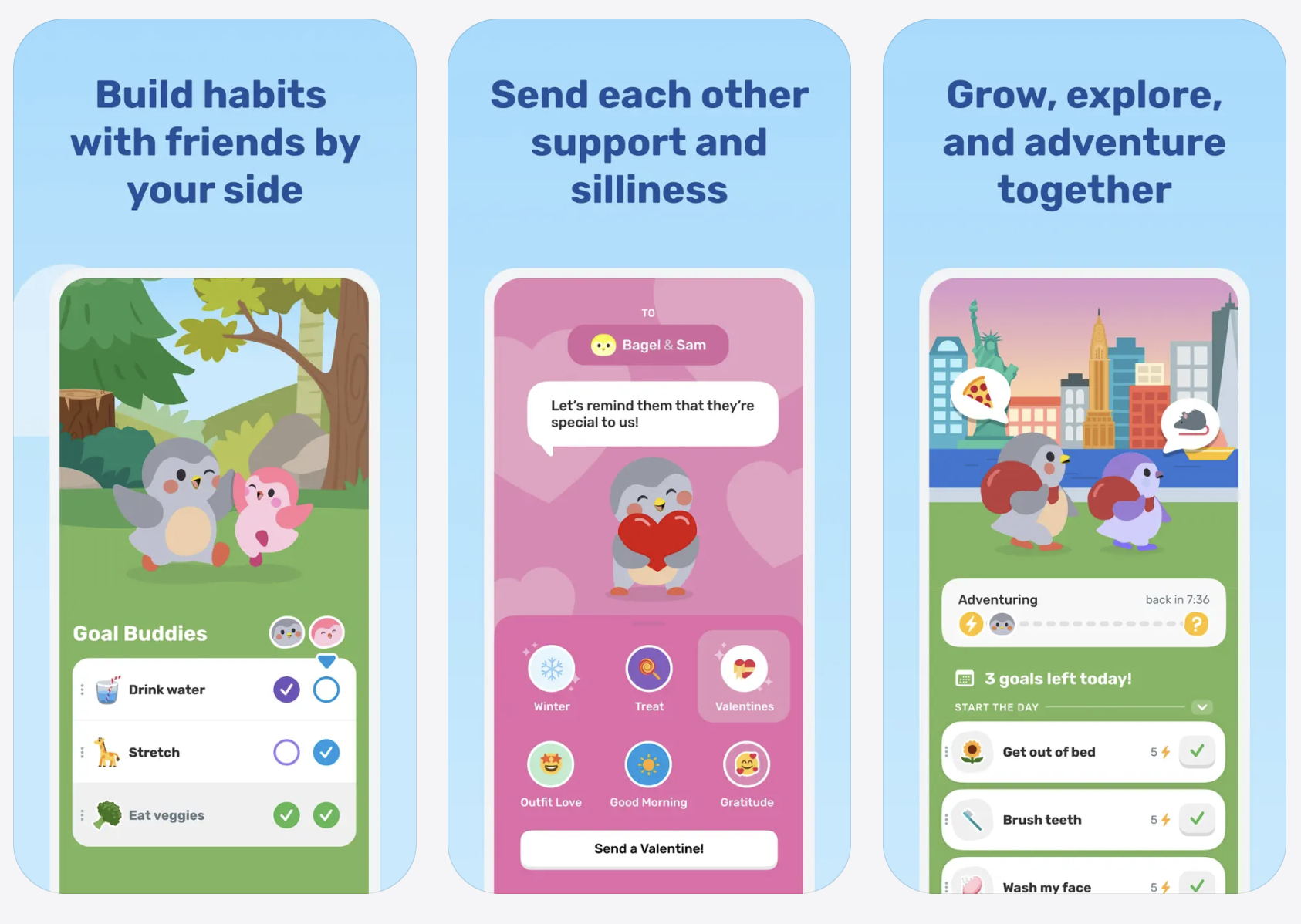
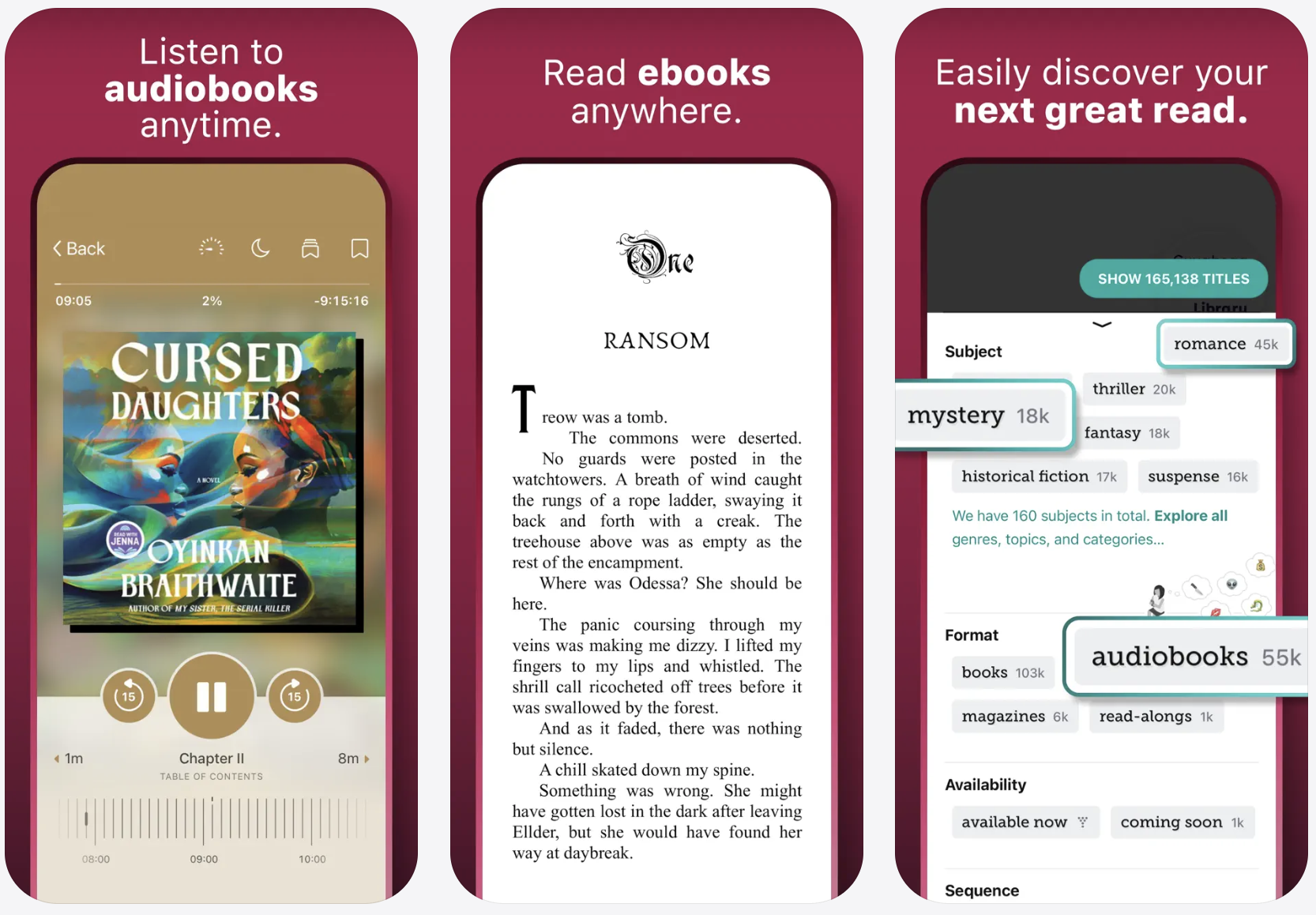
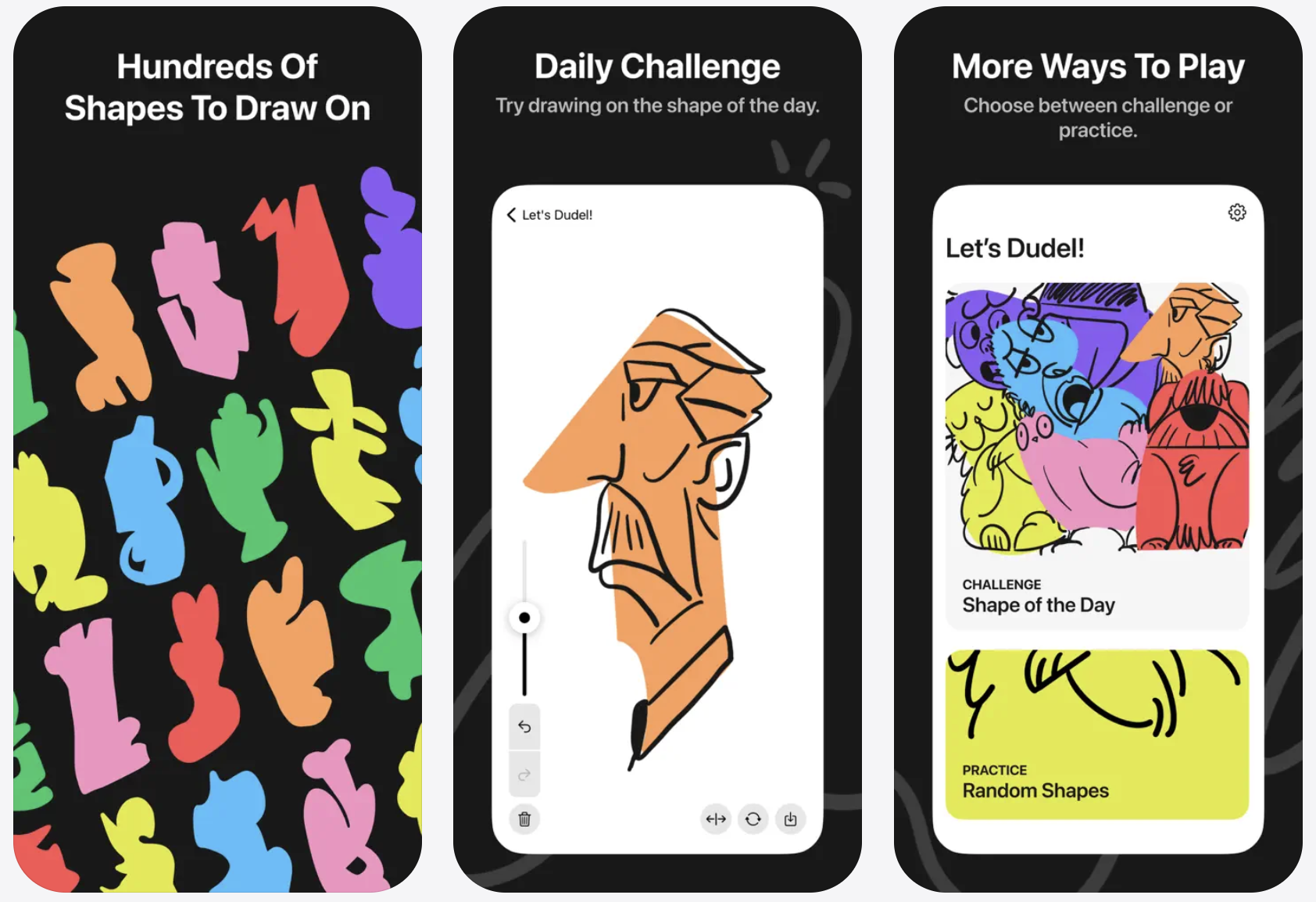
The roundup covers different types of activities. For self-care there's Finch: a virtual pet 'grows' when the user completes small daily goals like drinking water, taking a walk, or doing breathing exercises; the app is free on iOS and Android. For reading there's Libby, a free service that gives access to the electronic collection of your local public library (e-books and audiobooks, magazines) with a library card. For creativity there's Dudel Draw, which gives you a random shape every day that you have to turn into something of your own; it is available only on iOS.
Radio, puzzles, and learning
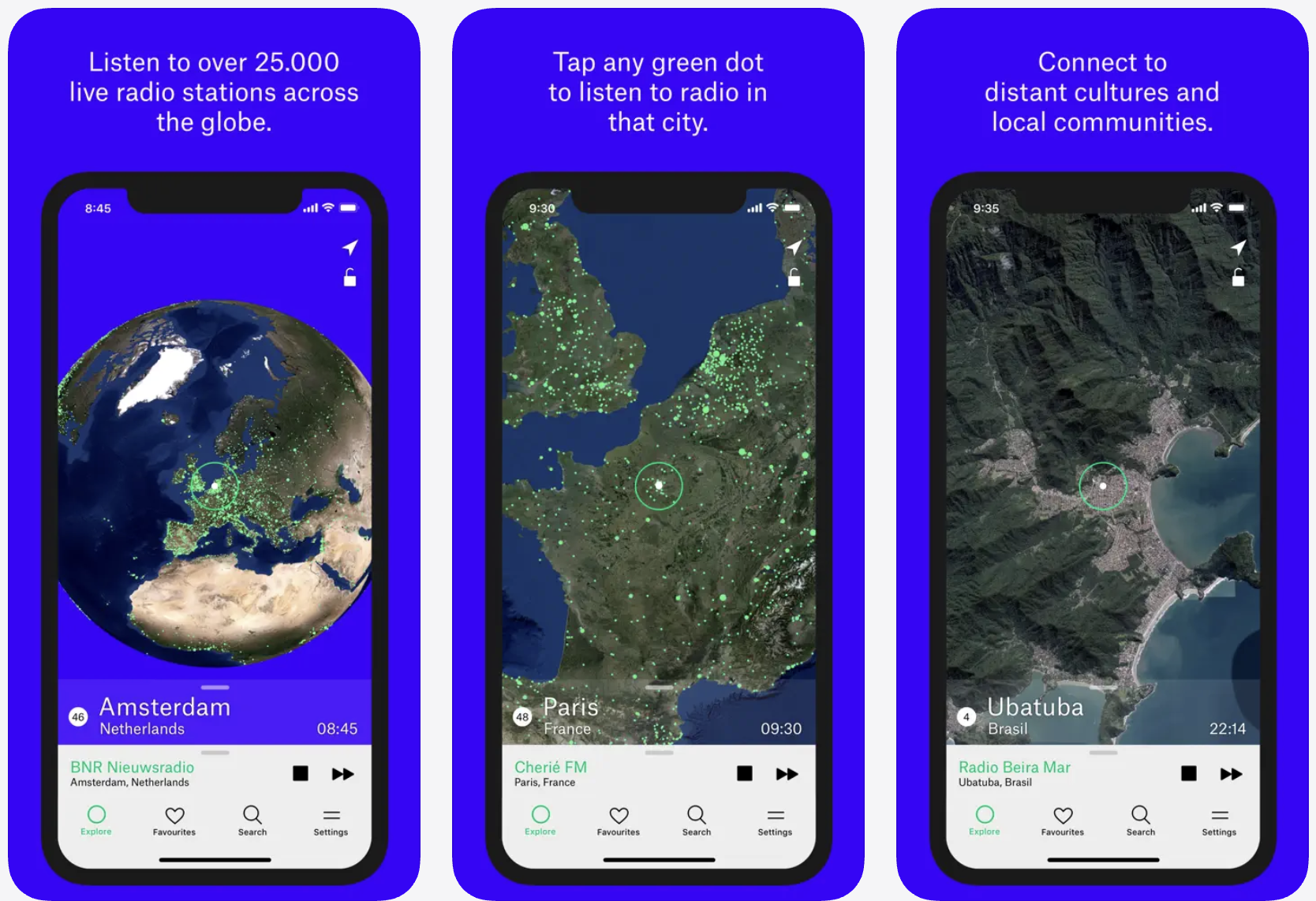
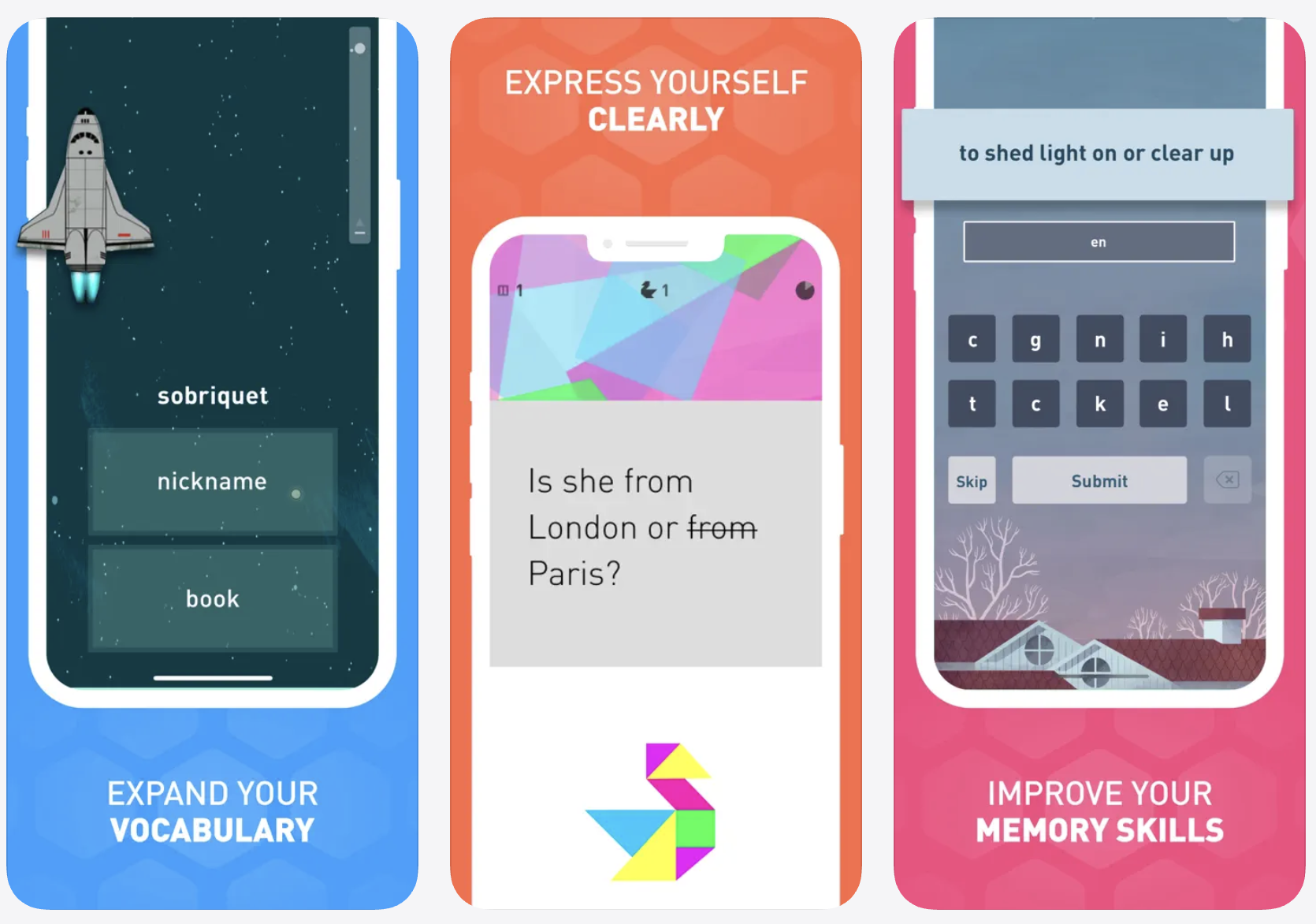
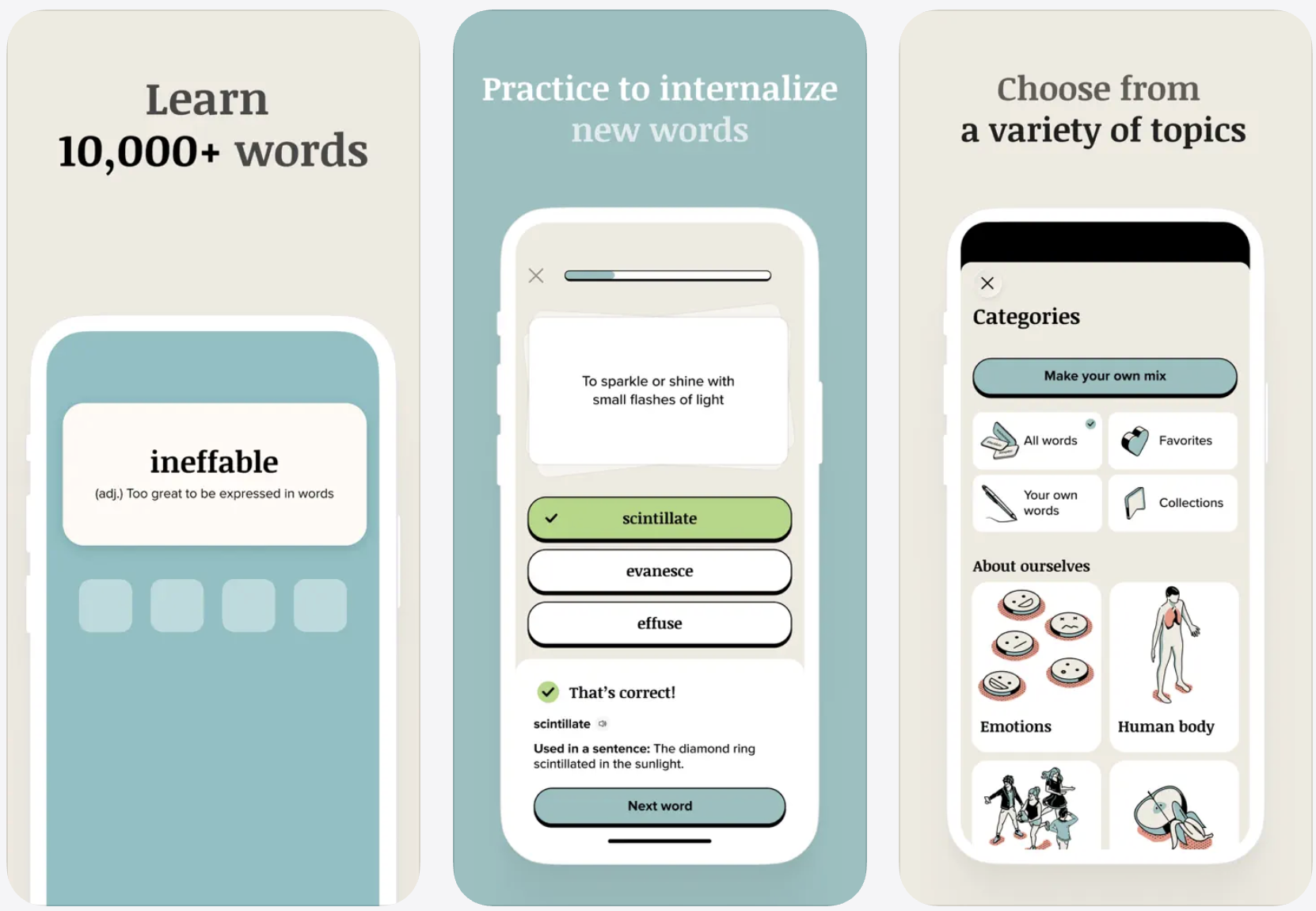
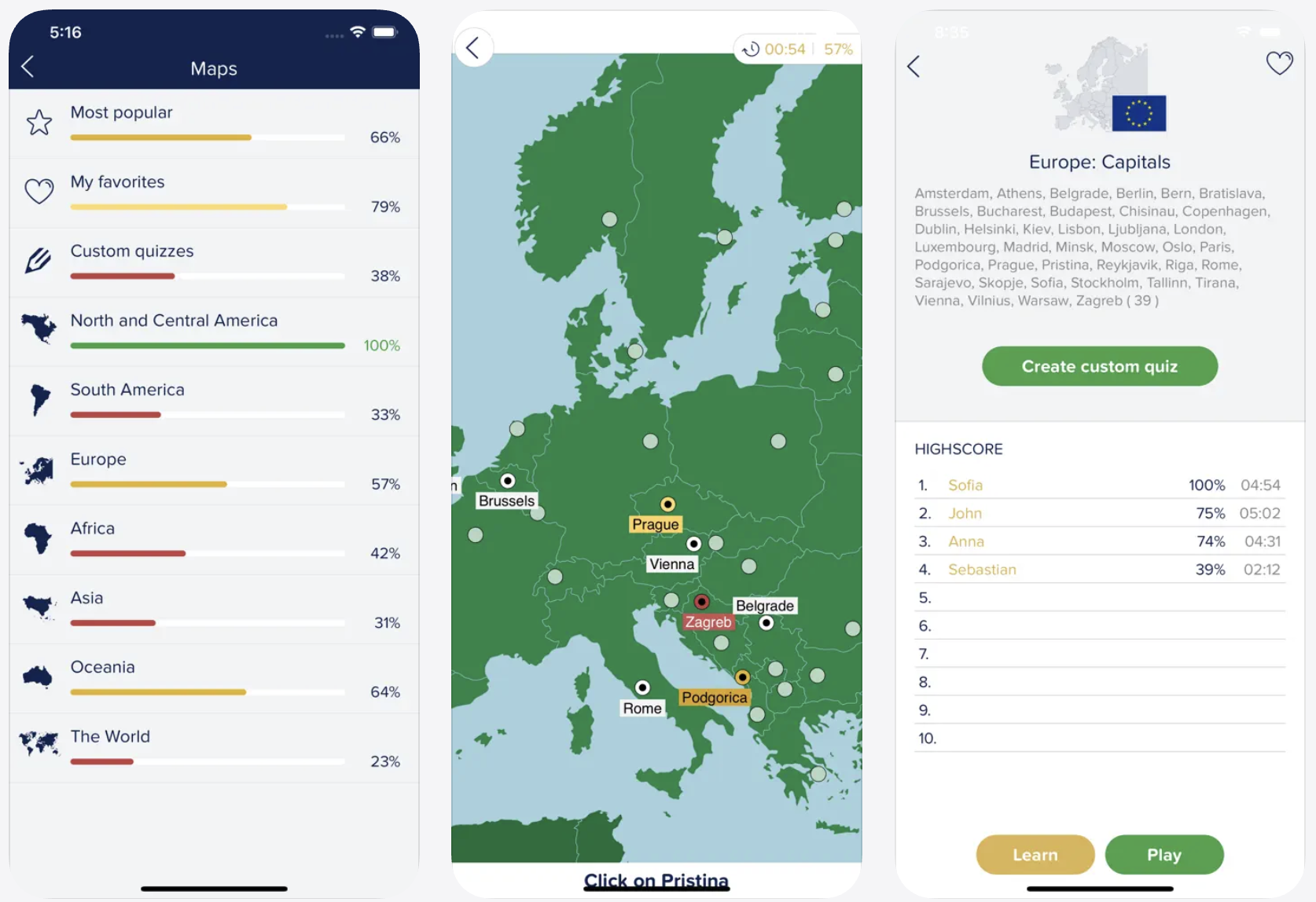
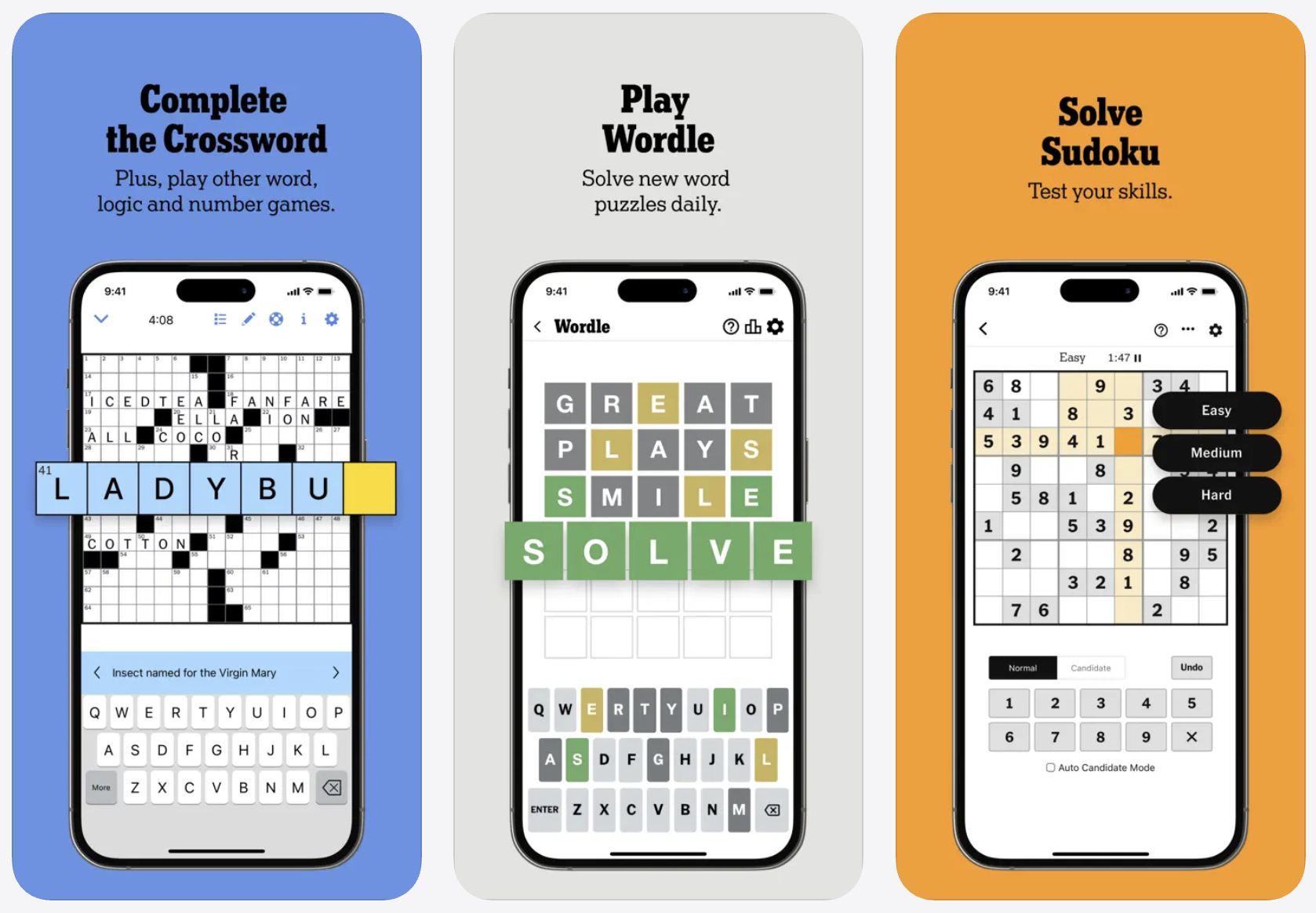
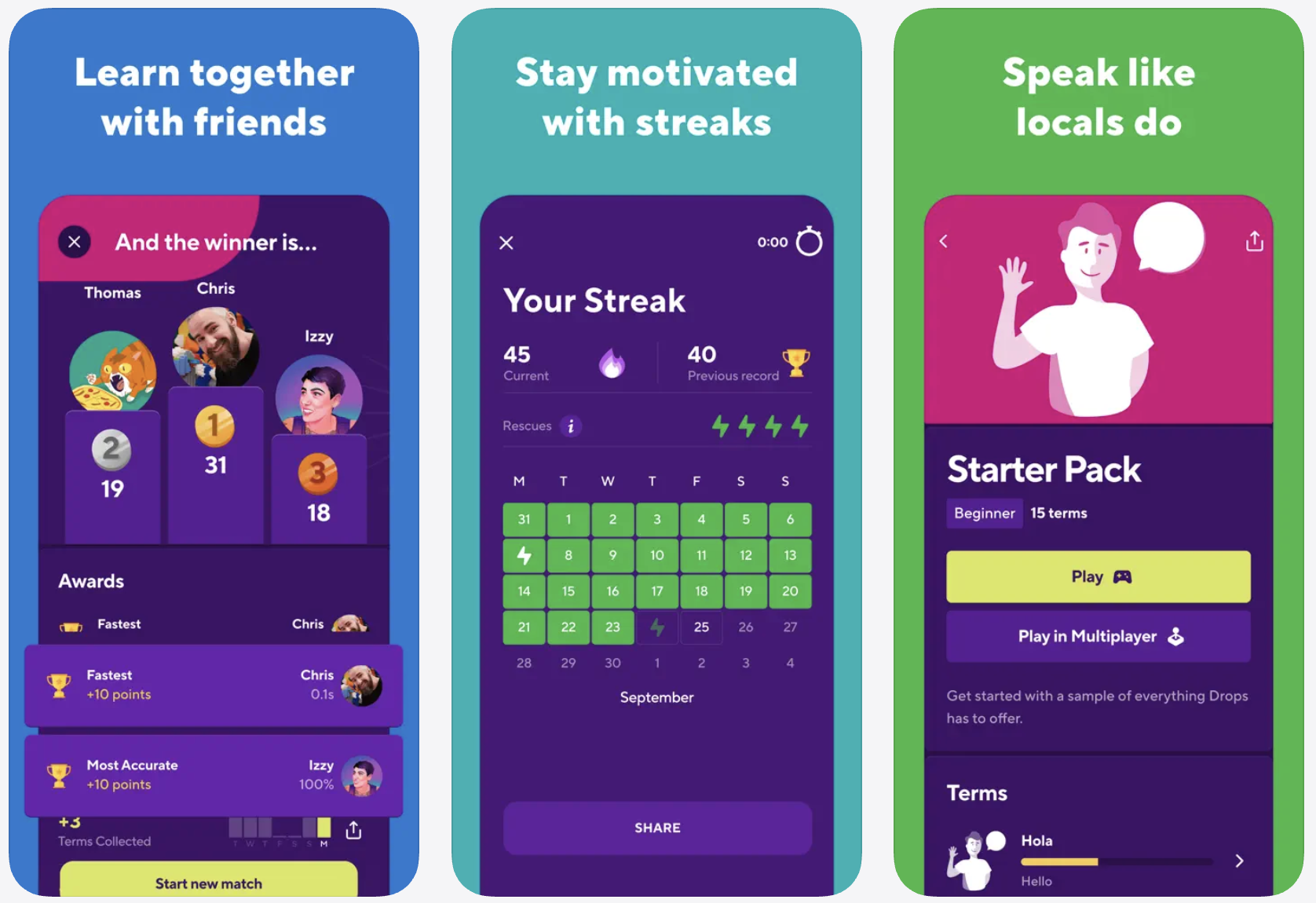
For those who want to stay 'in touch' with the world without social media, TechCrunch suggests Radio Garden — a map with green dots for cities where you can listen to more than 25,000 live radio stations; the basic version is free, and an ad-free version costs $2.99 per month. For training attention and memory there's Elevate with more than 40 games: three games per day are free, unlimited access costs $39.99 per year. Vocabulary teaches new words with definitions, examples, and pronunciation, plus mini-games for review; after the trial period it costs $4.99 per month or $59.99 per year. The geography trainer Seterra contains more than 300 games about flags, oceans, mountains, and volcanoes and is completely free. NYT Games includes the crossword, Wordle, Connections, and Spelling Bee: some games are free, full access with archives costs $5.99 per month. Finally, Drops offers five-minute lessons in more than 45 languages through visual mini-games; the free version is limited to five minutes per day, and the subscription costs $11.99 per month or $79.99 per year. Note that Drops is owned by the educational platform Kahoot!, which bought the app in 2020 for $50 million.
Context and limitations
The TechCrunch piece is an editorial roundup, not a study: the outlet itself notes that one could simply read a book or take a walk, and links to its earlier guide to fighting doomscrolling. The story was first published in March 2026 and is regularly updated. The effectiveness of the listed apps against the scrolling habit itself was not evaluated in the publication — it is a list of alternatives, not proven methods for quitting the feed.