The key facts
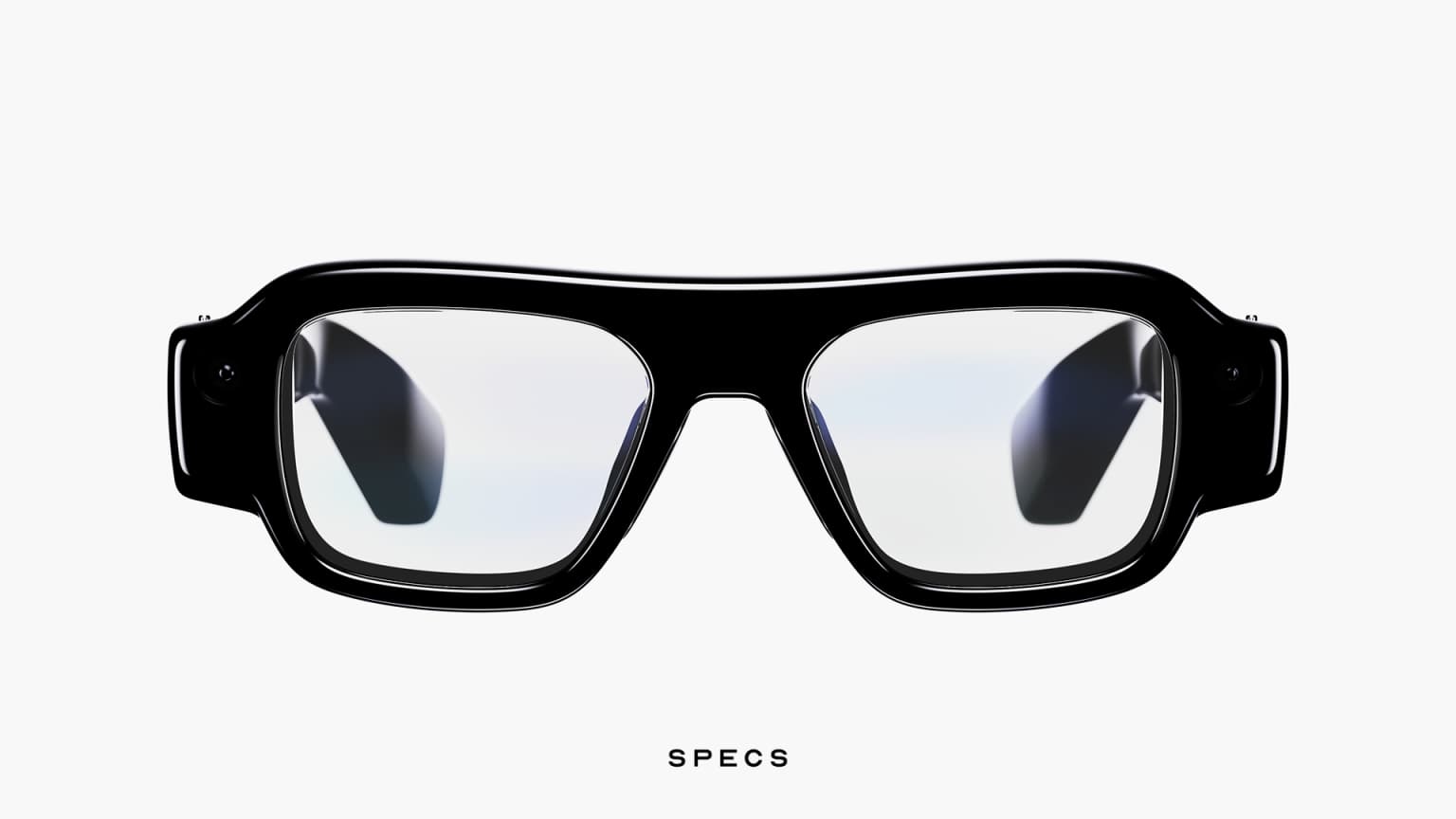
- The weight of Specs dropped from roughly 8 ounces to 132 grams (about 4.6 ounces), and no heating was observed during an hour-long demo
- Two sizes (47 mm and 52 mm) and spring hinges have been added
- The price is $2200; the TechCrunch author doubts the device's everyday value
From a heavy prototype to a noticeably lighter version
A TechCrunch journalist tested Snap Specs AR glasses twice and recorded significant progress in the hardware. At CES in Las Vegas earlier this year, the prototype weighed about 8 ounces (roughly 227 grams), sat uncomfortably on the face, heated up, and caused the tingling sensation typical of smart glasses — a side effect of the intensive computing inside the device. By late October, when a follow-up meeting with the Snap team took place in San Francisco, the glasses had already been publicly unveiled at an event featuring CEO Evan Spiegel, and preorders were open.
What changed in the design
The new version weighs 132 grams — nearly half as much as before. During an hour-long demo, the device, according to the TechCrunch author, did not heat up, unlike the prototype. Specs now comes in two sizes — 47 mm and 52 mm — purely to fit different heads, and spring hinges make the frame more flexible and comfortable. Specs' public debut took place in September at an event with Spiegel, as TechCrunch previously reported.
The form improved, the purpose is still a question
According to TechCrunch, the device's 'body' is noticeably better, but its 'soul' is still a work in progress: the glasses entertain, yet they lack a clear purpose, and it is hard to imagine why one would need a $2200 gadget in everyday life. When asked what Specs is for — gaming or productivity — Snap employees gave evasive answers. The author lists scenarios he finds convincing: watching shows and YouTube on public transit (integrations with HBO Max and YouTube are claimed by Snap itself), reading on the go, and shooting short videos for friends. He considers questionable the use of Specs as a work tool — putting on glasses is less convenient than sitting down at a computer — and as a mass gaming platform: most Xbox consoles cost less than half that price.
A foundation for the future
Among the technical achievements, TechCrunch highlights the spatial synchronization technology that allows two users to see the same thing at the same time: with further refinement, it could prove useful in interesting scenarios. The author's conclusion: Specs is an interesting product that, like many of its counterparts, does not yet have a clear purpose but may eventually become 'a lot'; however, the current set of features may not be enough to convince buyers to pay the requested sum.