The key facts
- Saudi Arabia's Foreign Minister Prince Faisal bin Farhan and Egypt's Minister Badr Abdelatty will join the G7 meeting in Paris on Monday
- Rubio: Iran's demands are 'unacceptable,' no breakthrough in the talks is in sight
- Rubio: Iran's demands are 'unacceptable'; no breakthrough in the talks is in sight
- A separate topic is the security vacuum in southern Lebanon after the withdrawal of UN peacekeepers at the end of the year
Expanded format in Paris
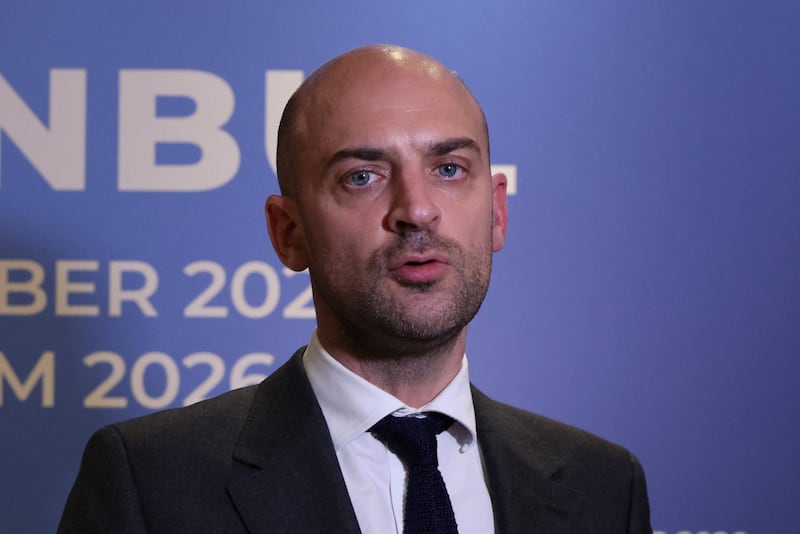
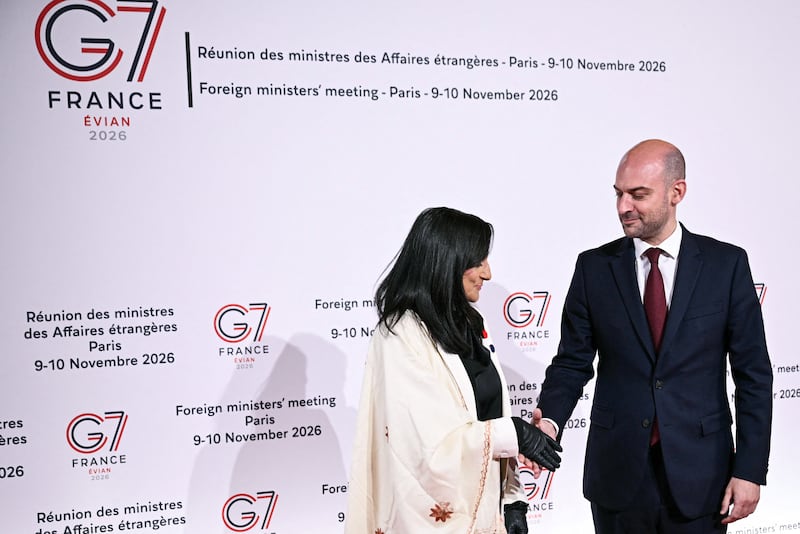
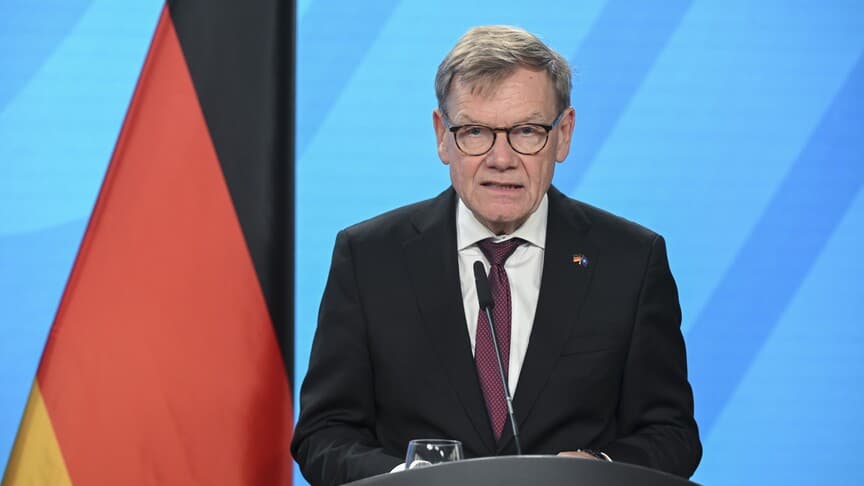
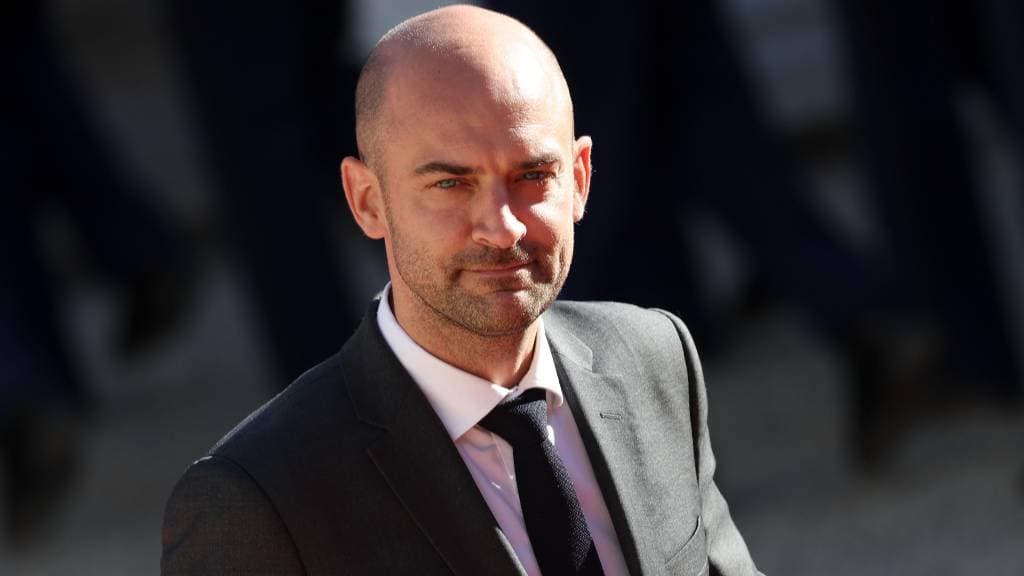
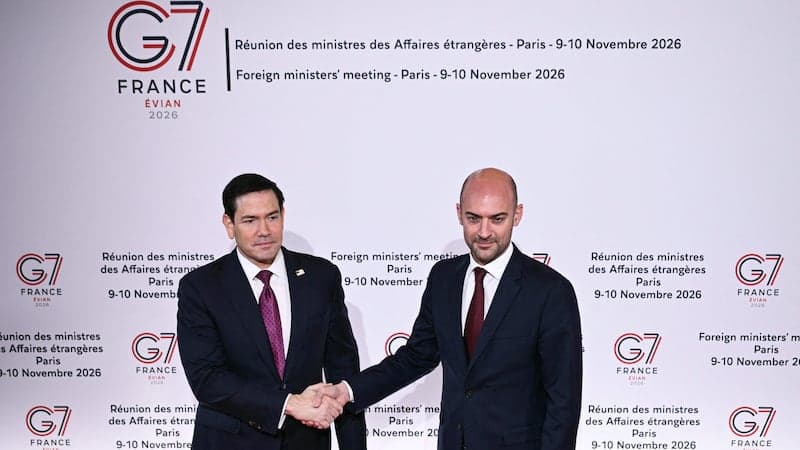
Saudi Arabia and Egypt will take part in the two-day meeting of foreign ministers of the Group of Seven, which opens in Paris on Monday, The National reports. The goal is to find options for de-escalation in the Middle East. On Monday evening, French Foreign Minister Jean-Noel Barro will host a dinner with counterparts from the United Kingdom, Germany, Canada, Japan and Italy, as well as with Saudi Arabia's Foreign Minister Prince Faisal bin Farhan and Egypt's Minister Badr Abdelatty. Brazil and South Korea have also been invited. The agenda was deliberately not set so that the discussion would be 'as free as possible,' French diplomats noted.
Context: the Strait of Hormuz and the parties' positions
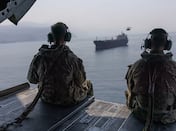
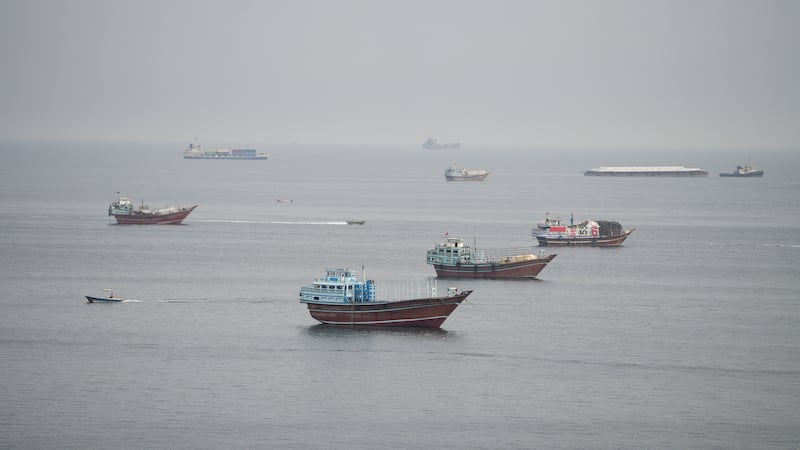
The backdrop for the meeting is tense: Iran has intensified attacks on vessels in the Strait of Hormuz, and concerns about a deadlock in US-Iran relations are growing. US Secretary of State Marco Rubio, on his way to France, said: 'I would not say we are on the verge of a breakthrough,' adding that Iran's demands are 'not simply unacceptable, but in some cases outrageous, absurd and unrealistic.' According to him, the war was one of the factors why voters turned away from Donald Trump's Republican Party in last week's midterm elections. European ministers will have to assess how the election results will affect US policy — not only on Iran but also on Ukraine.
Why Riyadh and Cairo in particular
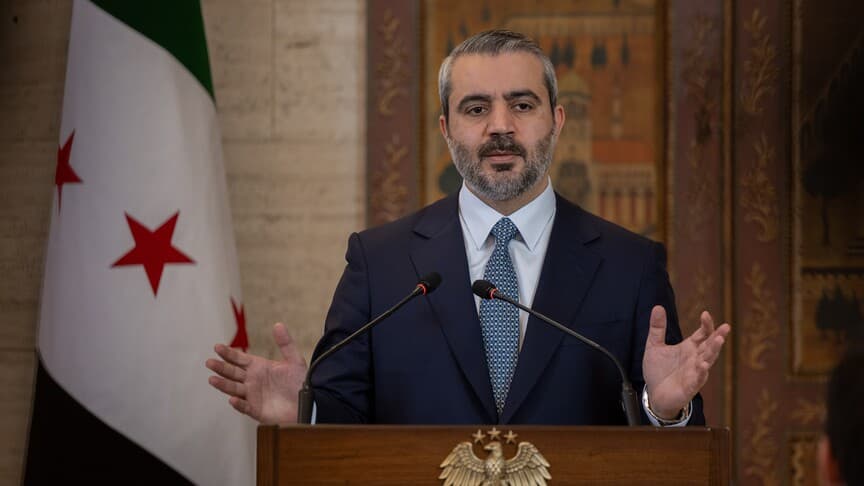
The participation of the two Arab countries is explained by their role in the current crisis. Saudi Arabia, facing Houthi attacks on its airports, ports and oil facilities, has received military support from the United Kingdom and France, as well as from partners in the Mecca Pact — Turkey and Pakistan. Egypt is seen as a key G7 partner on food security, disrupted by Iran's blockade of the Strait of Hormuz. On Tuesday, the G7 ministers will meet again with their Middle Eastern counterparts: the focus will be on Iran's role in obstructing shipping in the Strait of Hormuz and the Bab el-Mandeb Strait, as well as the crises in Palestine, Lebanon and Syria. The Franco-British international initiative to ensure the passage of vessels in the Strait of Hormuz is ready to deploy as soon as security conditions allow: more than a dozen ships are in position, including from the Netherlands, Belgium and Germany.
Lebanon and Ukraine on the agenda
A separate storyline is the future of southern Lebanon. The UN mission, which has operated there for five decades, is due to withdraw its peacekeepers at the end of the year, and the United States was the main opponent of the Franco-Italian initiative to replace it. In bilateral contacts, European ministers intend to argue that a dangerous security vacuum is forming in southern Lebanon, which is under Israeli occupation. According to Paris's assessment, the Iran-backed Hezbollah has been weakened by Israeli bombardment but is currently rearming; mediation talks between Lebanon and Israel with US involvement have not produced a diplomatic solution. In addition, in the presence of Ukraine's Foreign Minister Andrii Sybiha, the G7 will discuss the war in Ukraine — on the eve of Ukraine-Russia talks in Abu Dhabi on Tuesday, to which France, Germany, the United Kingdom and the European Commission will send senior officials. 'The EU will stand alongside our partners,' said European Commission President Ursula von der Leyen, confirming support for Zelensky's call for a ceasefire covering food and energy infrastructure.