The key facts
- Sergei Ryabkov said that Russia is aware of its opponents' plans to blockade the Kaliningrad region
- He called attempts to put such plans into practice a “direct path to catastrophe”
- Earlier, Vladimir Putin and, according to Gazeta.Ru, NATO Secretary General Mark Rutte spoke of Moscow's warnings about the use of its entire arsenal, including nuclear weapons
Foreign Ministry statement
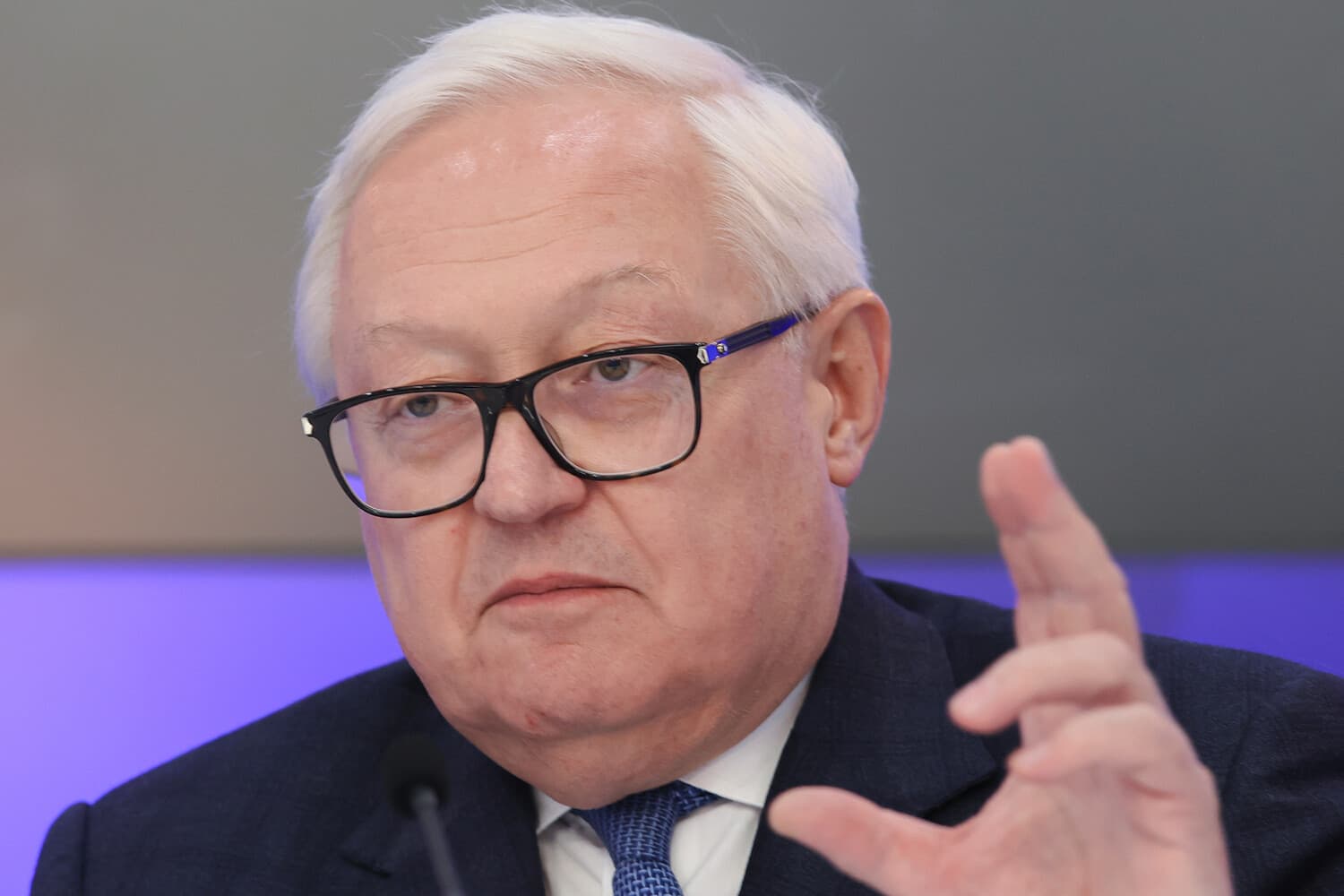
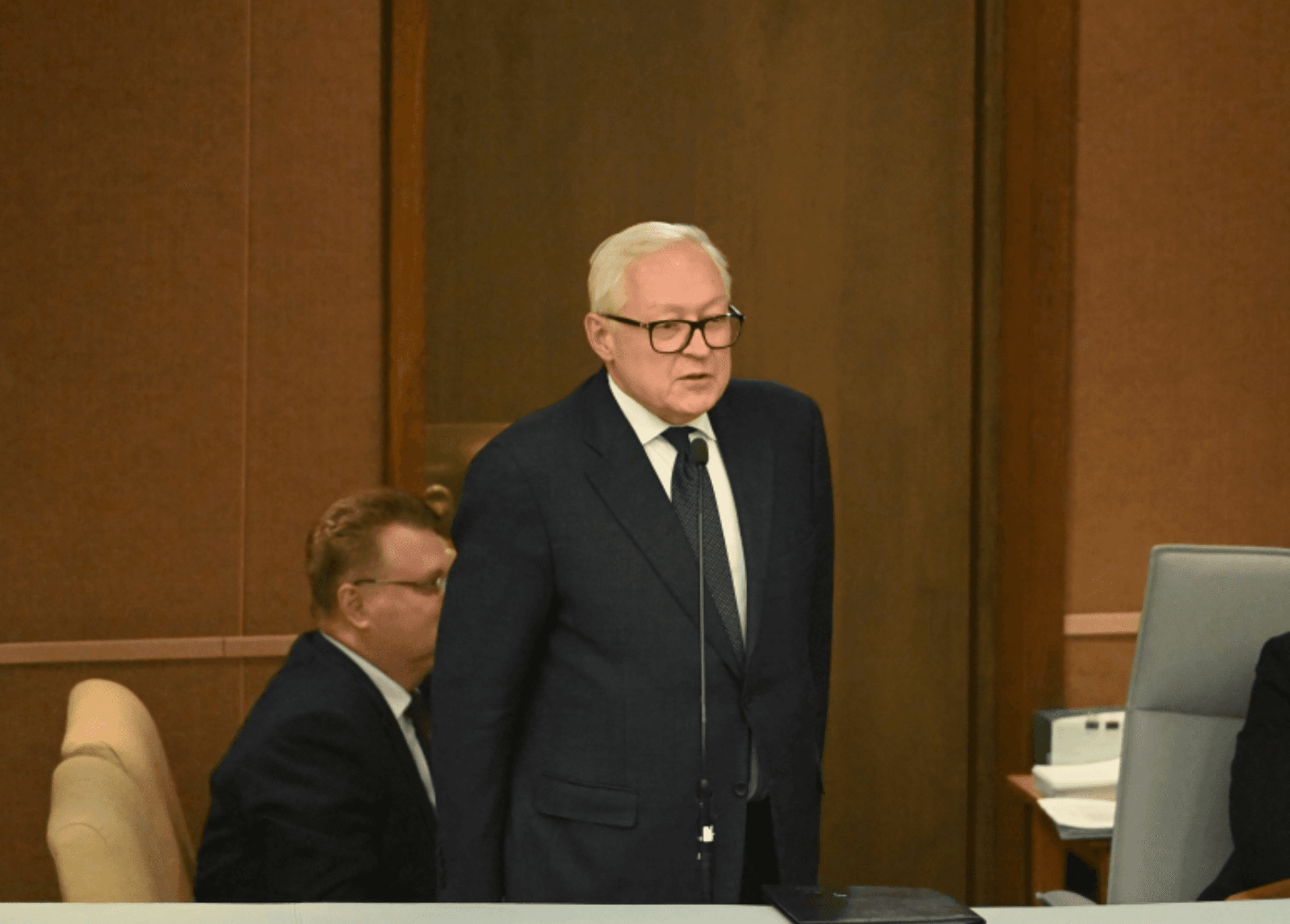
Russian Deputy Foreign Minister Sergei Ryabkov said that Moscow is aware of the West's plans to blockade the Kaliningrad region. “We know about our opponents' plans for a blockade and other destructive actions against the Kaliningrad region. No one should have any doubts: attempts to put these plans into practice are a direct path to catastrophe,” TASS quoted him as saying (as reported by Gazeta.Ru).
Previous warnings
Ryabkov's statement fits into a series of public warnings by the Russian authorities regarding this region. At the end of September, as reported, NATO Secretary General Mark Rutte saidthat the alliance had received a warning from Russia about Moscow's readiness to use its entire arsenal, including nuclear weapons, in the event of attempts to blockade the Kaliningrad region. Before that, Russian President Vladimir Putin stated that in the event of an attack on Kaliningrad, Russia's entire arsenal of weapons would be used. Gazeta.Ru also mentions an earlier report from the United Kingdom about the consequences for NATO of a possible attack on Kaliningrad, but its contents are not disclosed in the publication.
Context
All of the statements cited are claims by the parties, not confirmed actions: neither the Gazeta.Ru publication nor the retelling of Rutte's words contains any data indicating that a blockade was planned or undertaken. Ryabkov's new statement differs from earlier formulations in that it directly asserts the existence of “opponents' plans” for a blockade and “other destructive actions” against the region known to Russia, whereas previously there had only been public talk about the consequences of a hypothetical attack or about a warning conveyed to NATO. What exactly is meant by “destructive actions” and what the specific sources of these plans are is not specified in the publication.