The key facts
- Armenia has frozen cooperation with the CSTO and is not paying membership fees, but formally remains a member of the organization
- The CSTO Charter allows for temporary deprivation of voting rights until the debt is paid off
- The CSTO summit will be held on November 11 in Moscow and will conclude Russia's chairmanship
Moscow accused Yerevan of shifting responsibility
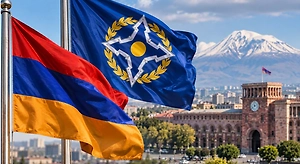
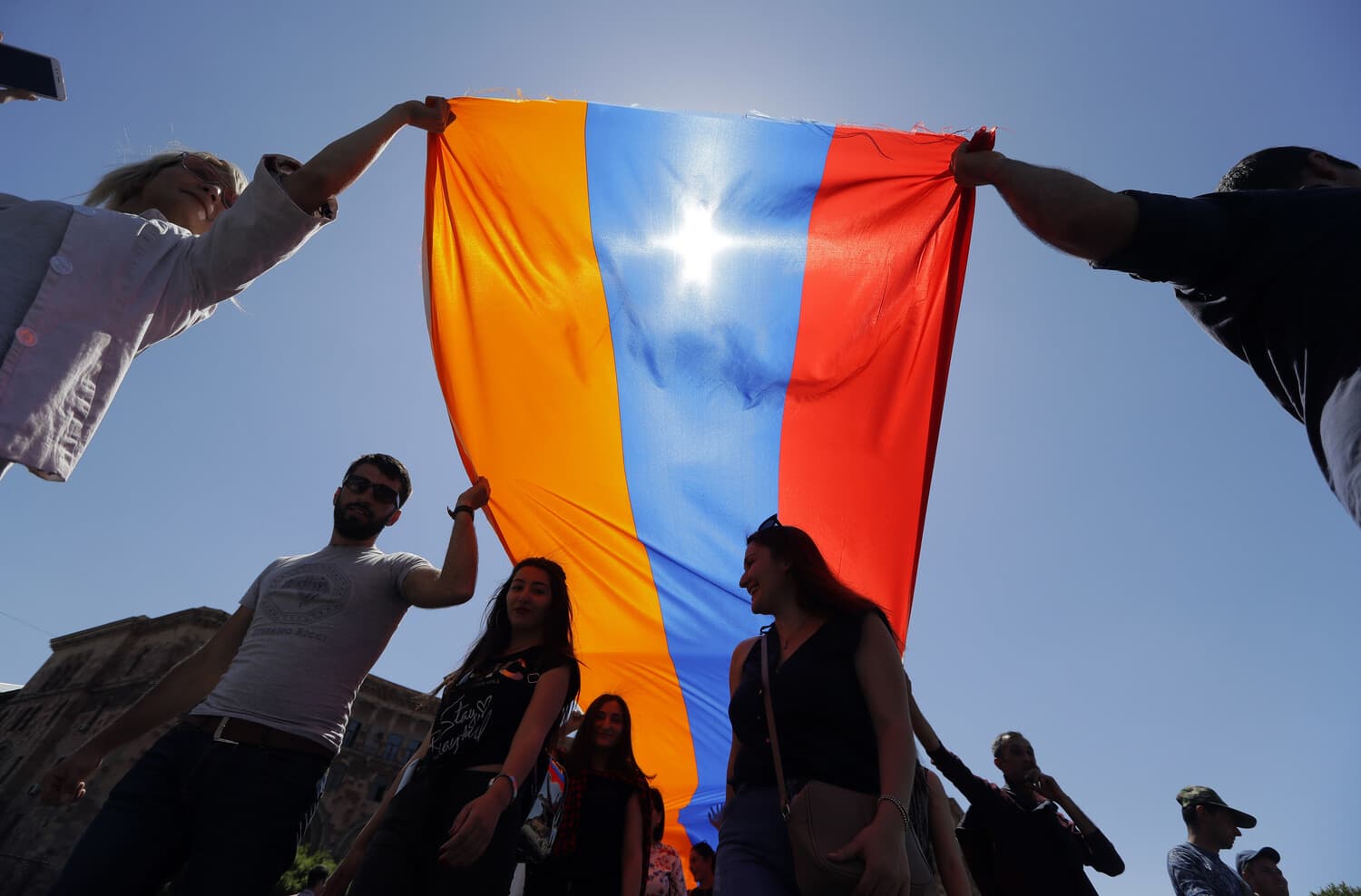
Armenia is trying to place responsibility for its own decisions on participation in the organization on other CSTO member states, while remaining a full member of the organization despite freezing cooperation and refusing to pay membership fees. Deputy Foreign Minister of Russia Alexander Pankin said this in an interview with TASS stated Deputy Foreign Minister of Russia Alexander Pankin. “Unfortunately, we do not see any reciprocal movement from the Armenian side. Quite the opposite: there are again clear attempts to shift responsibility for the decisions being made onto others,” Life.ru quoted him as saying.
What is happening with Armenia's membership
According to Pankin, Moscow continues to invite the Armenian side to work within the CSTO framework: the republic can still join the organization's decisions, but in his assessment Yerevan shows no interest in restoring cooperation. At the same time, Armenia has stopped transferring funds to the organization's budget, but has not formally left it. The CSTO Charter allows a state to be temporarily deprived of its voting rights until arrears in membership fees are paid off; the question of possibly restricting the republic's rights may be considered at the upcoming summit.
The November 11 summit and the context of the dispute
The meeting of the CSTO Collective Security Council will take place on November 11 in Moscow and, according to Pankin, will conclude Russia's chairmanship of the organization. The leaders of the member states will be presented with a package of documents aimed at strengthening the organization's capacity, and will also discuss the international and regional situation.
Response to Yerevan's accusations
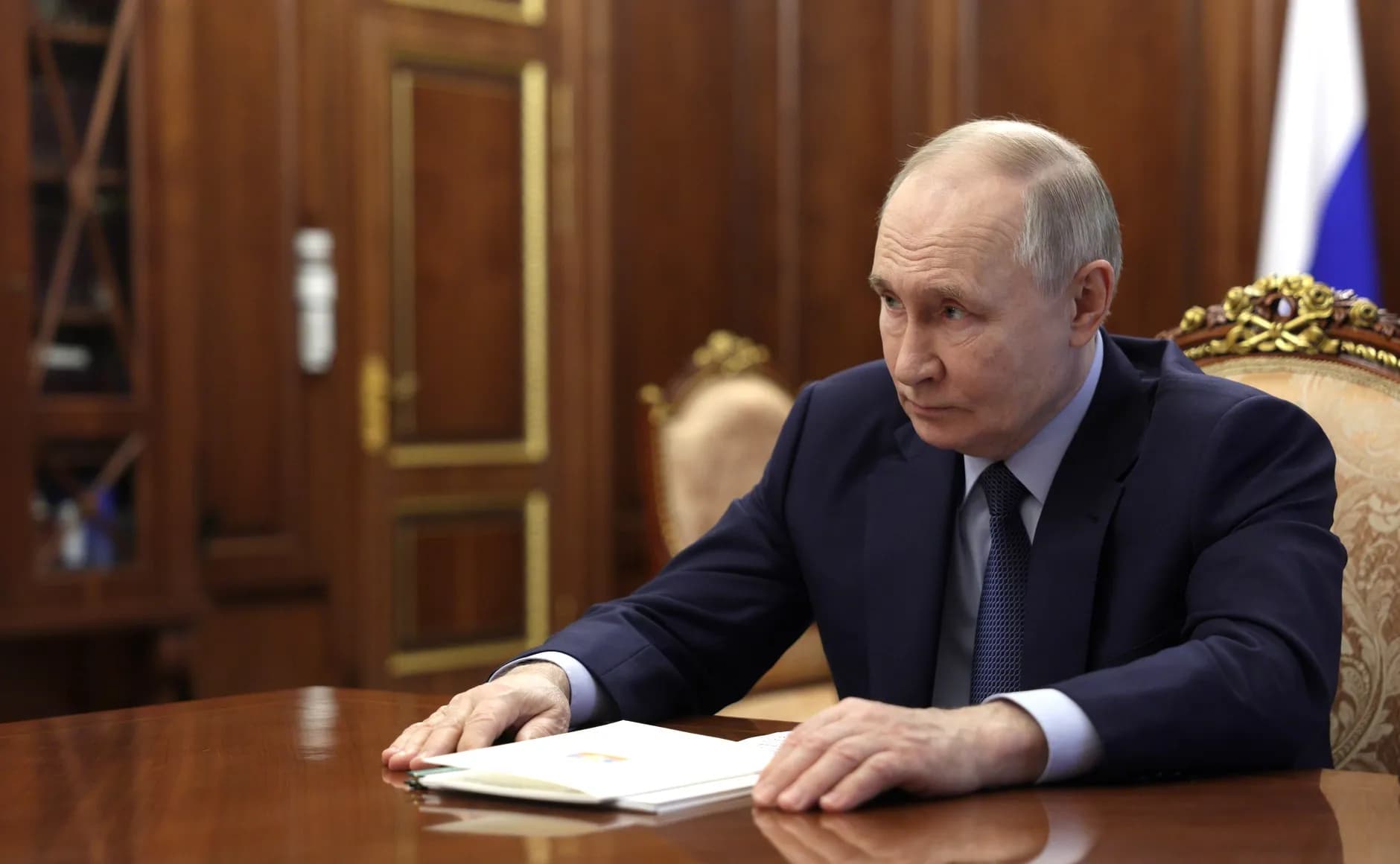
Pankin's statement came against the backdrop of earlier claims made by the Armenian side: Secretary of the Security Council of Armenia Alen Simonyan accused Moscow of inaction during the Nagorno-Karabakh conflict in 2020. Official representative of the Russian Foreign Ministry Maria Zakharova rejected these accusations, recalling Vladimir Putin's negotiations with the leaders of Armenia and Azerbaijan, which ended with a ceasefire agreement in November 2020, after which Russian peacekeepers were deployed to the region to ensure the security of the population, carry out demining, and deliver humanitarian aid. She also pointed to the subsequent agreements among the three countries on restoring transport links and settling border issues, and recalled that in October 2022 Armenian Prime Minister Nikol Pashinyan recognized the territorial integrity of Azerbaijan, including Nagorno-Karabakh.