The key facts
- Gegham Manukyan said there are no initiatives or practical steps in the Armenian parliament regarding withdrawal from the CSTO
- The topic is raised only in statements by the ruling party and Prime Minister Nikol Pashinyan
- Yerevan has not paid contributions for several years; former CSTO Secretary General Bordyuzha called for expelling the country from the organization
Parliament is not considering withdrawal from the CSTO
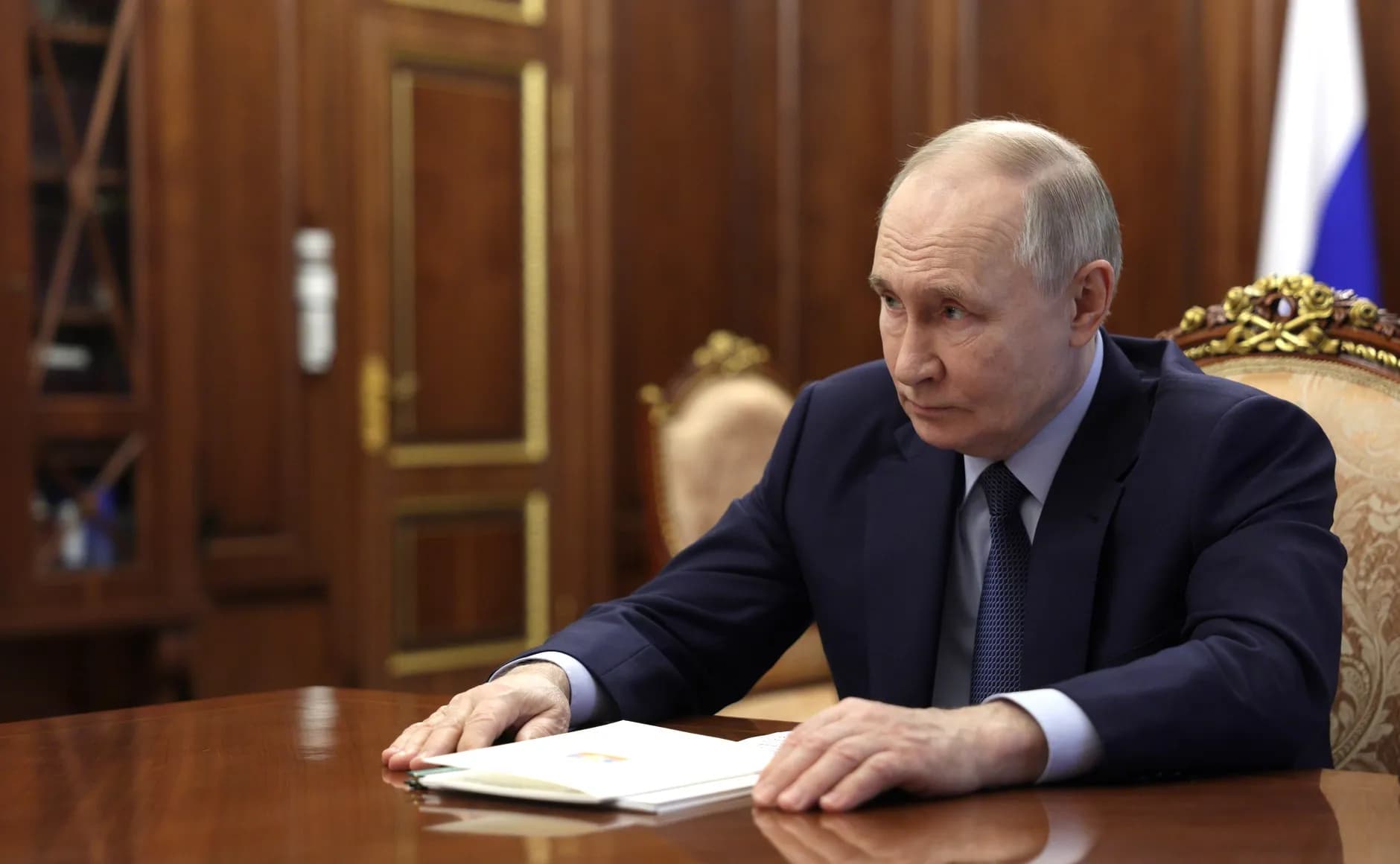
The question of Armenia's withdrawal from the Collective Security Treaty Organization is not currently being considered in the country's parliament. This was stated by Gegham Manukyan, a member of the standing committee on defense and security affairs, in an interview with Izvestia, reports Gazeta.Ru. According to him, there are no initiatives or practical steps in parliament related to leaving the organization: the topic is raised only in statements by representatives of the ruling party and Prime Minister Nikol Pashinyan.
Context: unpaid contributions, calls for expulsion, and Pashinyan's position
The CSTO unites six states — Armenia, Belarus, Kazakhstan, Kyrgyzstan, Russia and Tajikistan; its goals are collective security and the protection of the independence, territorial integrity and sovereignty of its members. At the same time, Yerevan has for several years not paid its contributions to the organization. Former CSTO Secretary General Nikolai Bordyuzha called for expelling Armenia from the organization, noting that Yerevan does not take part in its work yet remains a full member with whom all decisions must be coordinated. Earlier, Pashinyan statedthat Armenia has no objection to being expelled from the CSTO.
What lies behind the divergence of positions
Thus, the prime minister's official position and the actual state of affairs in parliament diverge: the decision to withdraw has not yet been formalized as a parliamentary initiative, although politically it is voiced at the highest level. For now, Armenia formally remains a member of the organization, but its participation is limited — from non-payment of contributions to non-participation in its work, as Bordyuzha pointed out. The material does not report on further steps.