The key facts
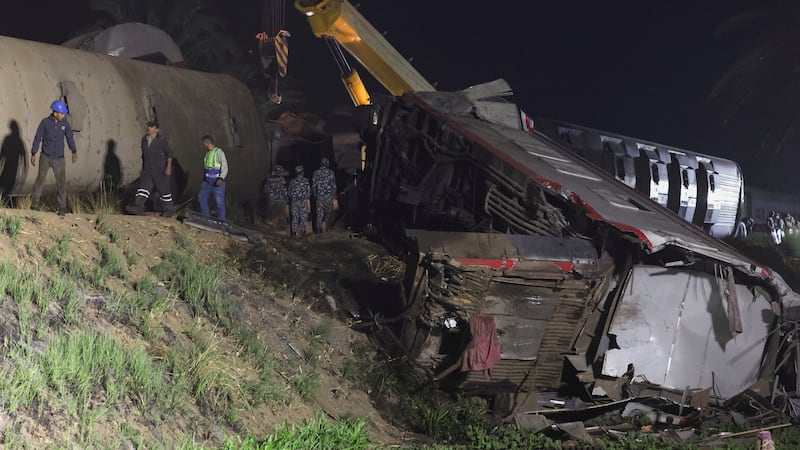
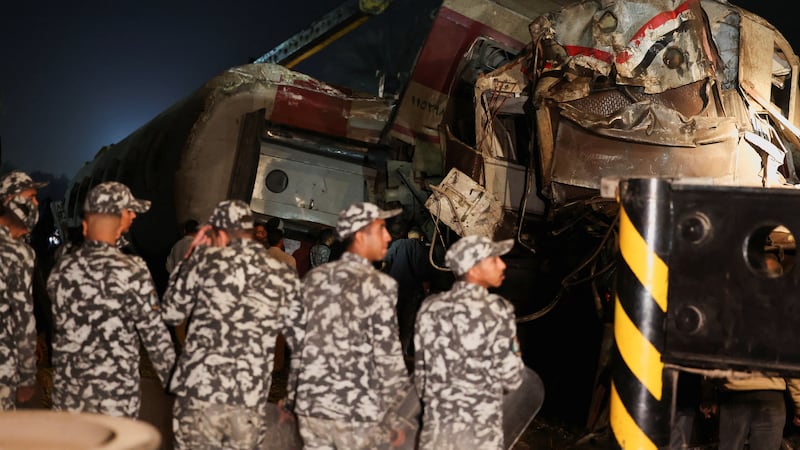
- A Giza–Fayoum train rammed into a stationary Cairo–Aswan train near El-Ayyat on November 8: seven dead, more than a hundred injured
- A train travelling from Giza to Fayoum crashed into a stationary Cairo–Aswan train near El-Ayyat on 8 November: seven dead, more than a hundred injured
- MPs from the pro-government coalition and TV host Amr Adib demand the resignation of Transport Minister Kamel El-Wazir
- President El-Sisi ordered an investigation and the prosecution of those guilty of negligence
- President El-Sisi has ordered an investigation and the prosecution of those guilty of negligence
Collision near El-Ayyat
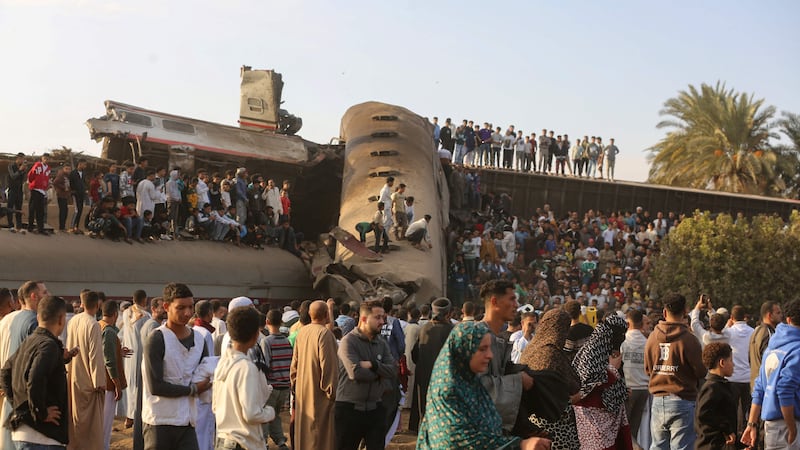
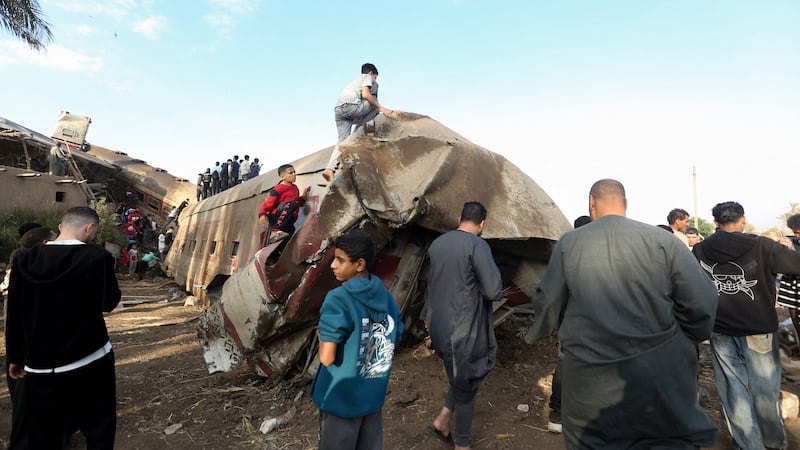
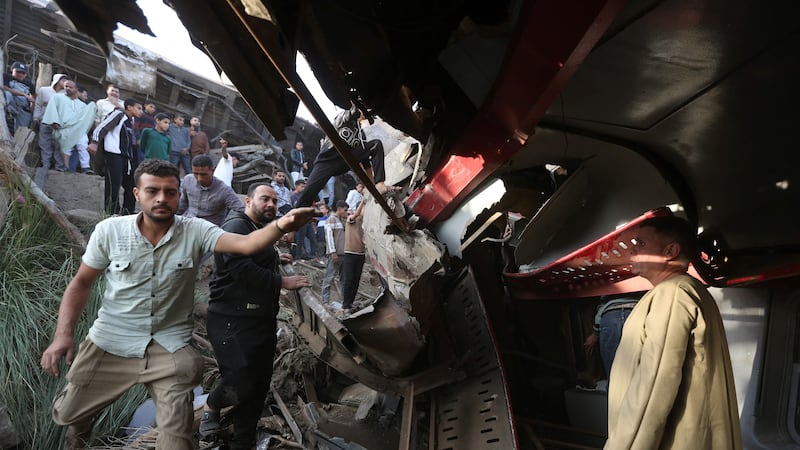
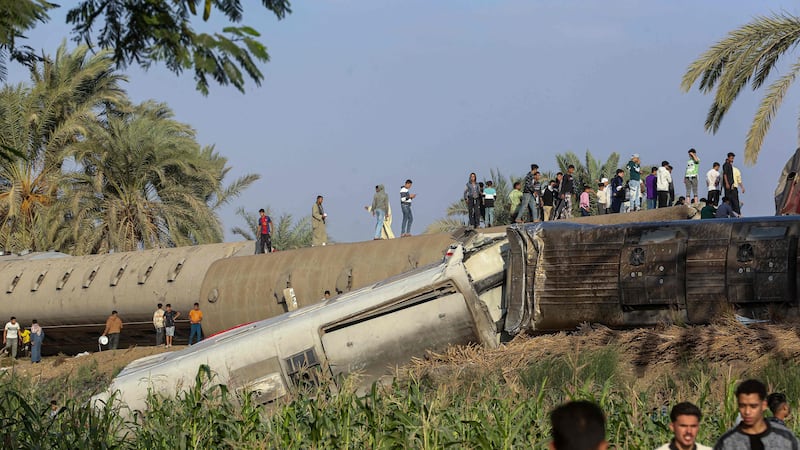
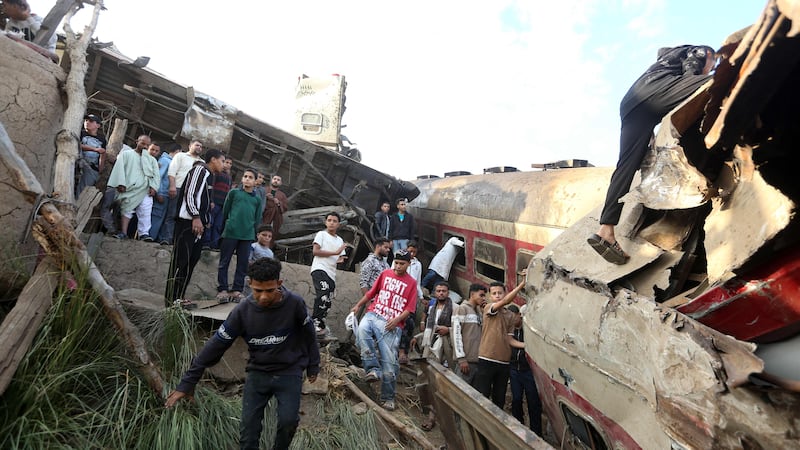
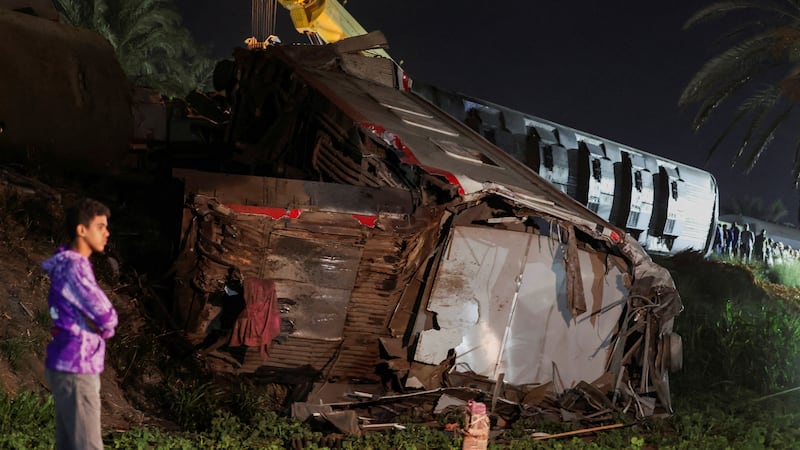
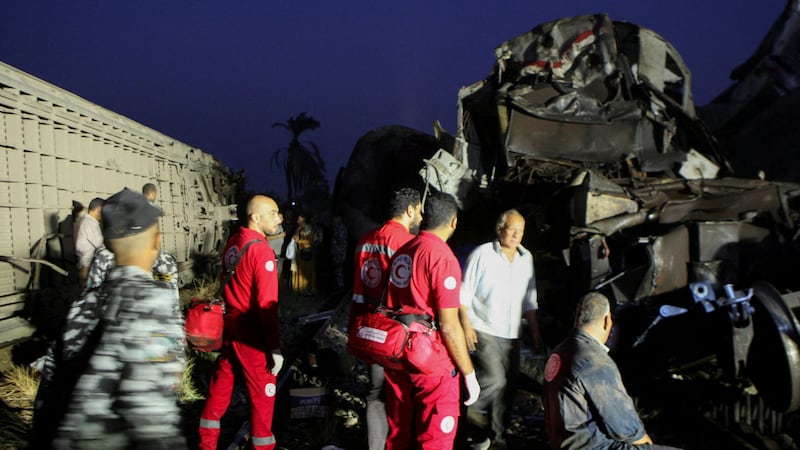
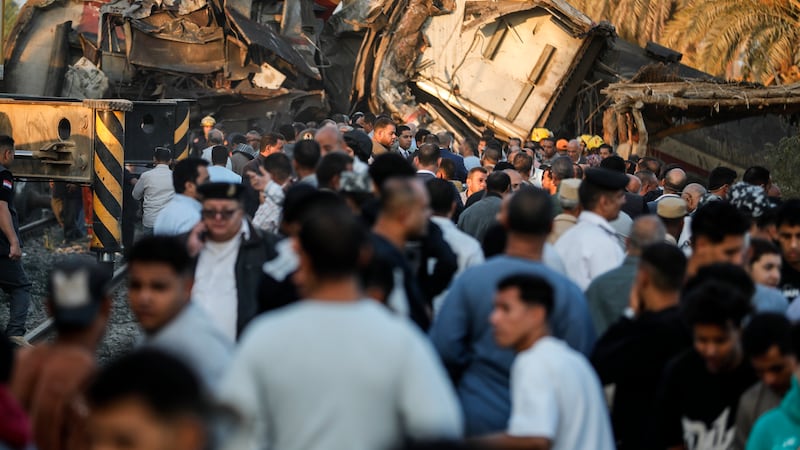
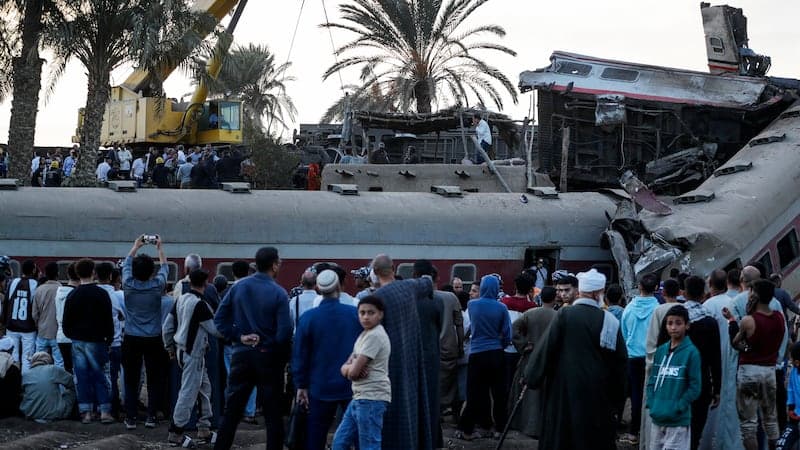
On Sunday, November 8, in the afternoon, a train traveling from Giza to Fayoum rammed into the rear of a Cairo–Aswan train that had stopped on the tracks near El-Ayyat, south of Cairo. According to Egypt's Ministry of Health, seven people were killed, including the driver, and 114 were injured; several carriages derailed. The Turkish news agency Anadolu reports the same figure of seven dead, but citing the Egyptian ministry it puts the number of injured at 112 — the discrepancy between reports persists. Egypt's National Railways specified that trains No. 134 (Giza–Fayoum) and No. 2010 (Cairo–Aswan) collided between the Kafr Ammar and El-Rikka stations, near the village of Gerza. According to media reports, three of the dead were from the same family. By Monday morning, traffic on the line had been restored to normal operation, the National Railways Authority said.
Investigation and condolences
President Abdel Fattah El-Sisi ordered an urgent investigation and the holding to account of 'everyone found negligent'; the prosecutor's office formed a technical committee to determine the cause of the crash. Condolences were expressed, among others, by Saudi Arabia, the UAE, Jordan, Kuwait and the League of Arab States; Turkey's Foreign Ministry issued a separate statement on Monday expressing condolences to the families of the victims and to the people of Egypt.
Calls for resignation from within the ruling ranks
By Monday, calls for the resignation of Transport Minister Kamel El-Wazir were coming not only from the opposition but also from within the pro-government bloc. The Al-Adl Party, which won seats on the pro-government national list,submitted three urgent motions to summon the minister to parliament. MP Hussein Haridi, in an interview with TV host Amr Adib, said: 'I hope he will resign and take political responsibility. People's blood is never cheap.' Senator Basil Adel, head of the Al-Wai Party, said it was time for 'the transport minister to resign.' Earlier, the opposition Egyptian Social Democratic Party demanded the minister's dismissal and an independent investigation, and its MP Reham Abdel Nabi filed a formal interpellation request. Adib himself, who is considered close to the state, asked on air: 'How many more people must die before the minister leaves?' The largest parliamentary parties were more cautious: Homat El-Watan limited itself to a call for accountability without mentioning the minister, while the National Front promised 100,000 Egyptian pounds (about $1,850) to each family of the victims. El-Wazir visited the crash site but had made no public statement by Sunday evening.
Dispute over loans and past crises
The crash has once again sharpened a long-running dispute over borrowing for transport programmes — over the past decade two monorail lines, a nationwide high-speed rail network, an electric light line to the New Administrative Capital and extensions of the Cairo metro have been built. In June, several deputies objected to a $3.9 billion loan for the high-speed line; independent MP Ahmed Farghali claimed that the transport ministry accounts for 52% of state borrowing, yet parliament approved the funding the same month. On Sunday, Irene Saied asked what share of this year's loans had gone to signalling and safety, while Abdel Nabi, in a request, estimated investment in the railways since 2014 at roughly 300 billion pounds ($5.54 billion); the minister himself responded that his ministry's loans — about $14 billion — make up only a small share of the public debt. El-Wazir, a former head of the army's engineering authority, took over the ministry in 2019 after his predecessor Hisham Arafat resigned over the Ramses station fire that killed 25 people. After the collision in Sohag in March 2021 (at least 20 dead and 199 injured), he said he was 'not used to running away' from crises, and after the accident in Minufiya, in which 19 young agricultural workers had died a year earlier, he declared: 'I will not resign. I am in this until death.' Sunday's collision came less than a week after a train derailment near Aswan and just over a year after the crash in Matrouh, in which three people died and more than a hundred were injured.