The key facts
- Electrical engineering production in 2026 reached 50 trillion soums versus 1.7 trillion in 2016, and exports grew 14-fold to $1.6 billion
- The president assessed the results as insufficient and ordered a 'great technological leap'
- The launch of MOF-3 raised copper smelting to 300,000 tons, with 500,000 tons planned by 2030
A decade in review: 50 trillion soums and 413 new production facilities
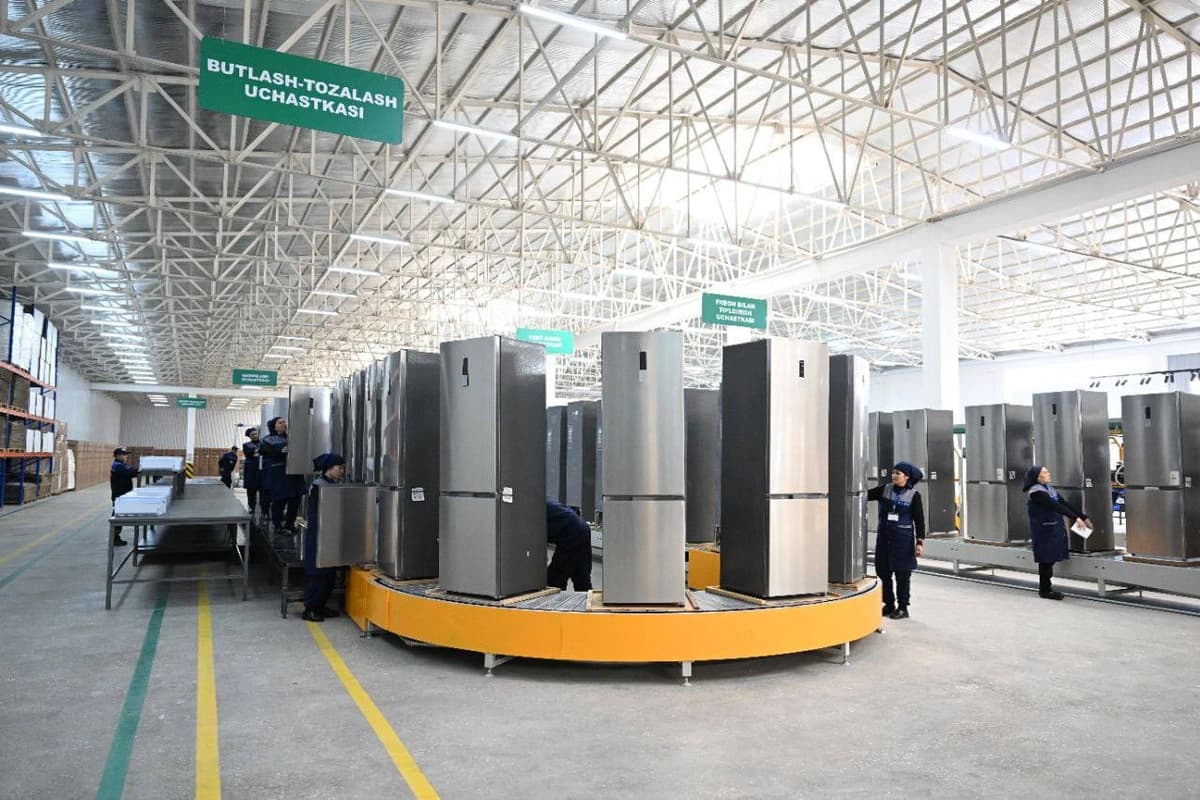
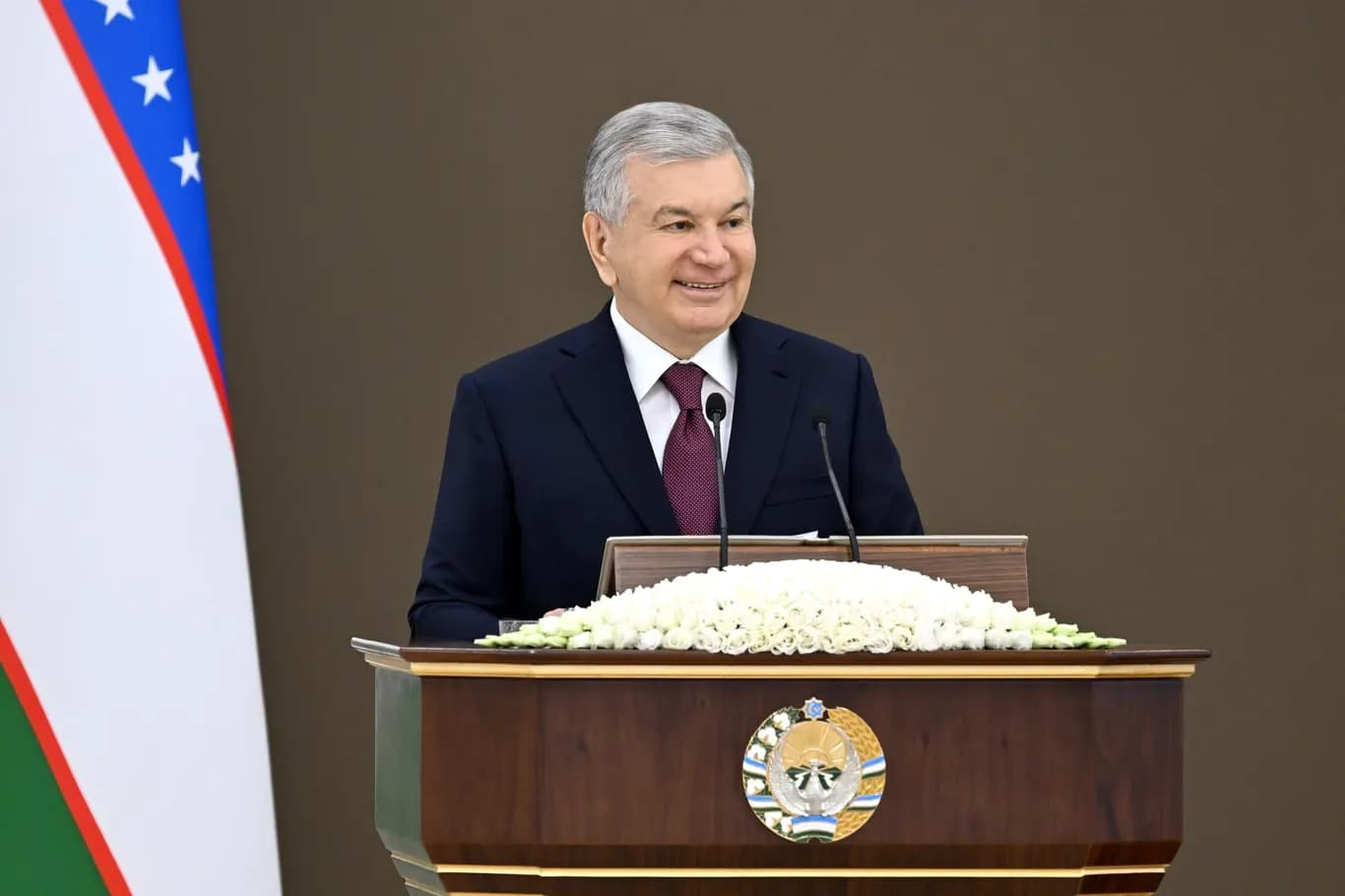
November 9 Shavkat Mirziyoyev held a meeting with representatives of the electrical engineering industry, entrepreneurs and investors, as reported by the president's press secretary Sherzod Asadov. Over the past ten years, $2 billion in investments has been attracted to the industry and 413 new production facilities have been launched, with the output of more than 100 types of new products established — home appliances, solar panels, electronic meters and high-voltage transformers.
Growth figures and the president's assessment
Production in the industry this year reached 50 trillion soums, compared with 1.7 trillion soums in 2016 — an almost 30-fold increase. Investments over the year amounted to $600 million, exports reached $1.6 billion, having grown 14-fold over the decade. Despite these figures, the head of state emphasized that the results are 'small compared with the available opportunities' and noted the need to accelerate the industry's development by leveraging its raw material, industrial and economic potential. According to Spot.uz, Mirziyoyev demanded that enterprises not merely expand the output of existing products but accomplish a 'great technological leap'.
Copper, energy and specific niches
Special attention was given to copper — a key raw material for the industry. In 2026, the third copper concentrator plant at the Almalyk Mining and Metallurgical Combinewas launched, which will raise copper production to 300,000 tons per year, and to 500,000 tons by 2030. By 2036, projects worth $450 billion are planned to be implemented together with partners — solar and wind power plants, battery storage complexes and other facilities; according to the president, they will create a long-term market for local electrical engineering products.
Where the industry lags behind
Spot.uz cites specific examples of unmet niches. By 2030, electricity storage capacity of 4.5 GW is expected to be created: foreign partners are ready to use local products when building battery systems, but some of the equipment for them is still not manufactured in Uzbekistan. Demand for video surveillance systems on the domestic market reaches $200 million a year, and, taking neighboring countries into account, exceeds $600 million, yet only two companies — Bukhara-based Digital Security and Samarkand-based Samvision — produce 2,000 cameras a year with their own software; the president instructed to increase the number of such projects. Earlier, Spot reported that property and profit tax benefits for the industry will remain in place until 2030.