The key facts
- Jensen Huang confessed to infidelity but did not name the woman; media link the story to Alice Huang of Megaspeed
- Nvidia has launched an independent investigation, saying it sees no compromise of secrets so far
- Congress has requested a closed briefing with Huang for November 18 — the opening day of the APEC summit in Shenzhen
A Confession and an Investigation
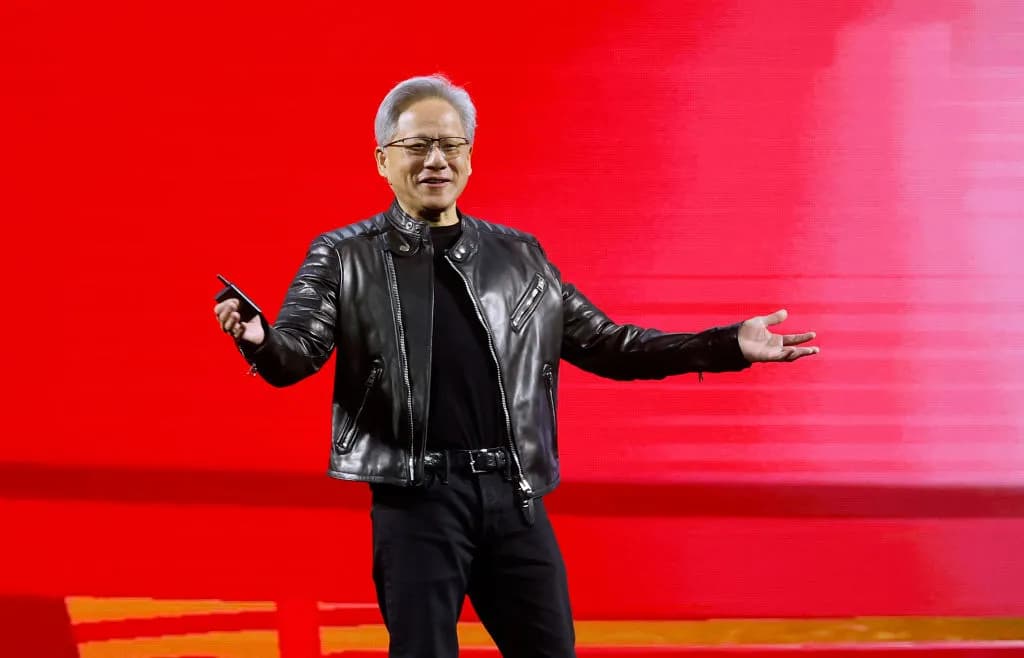
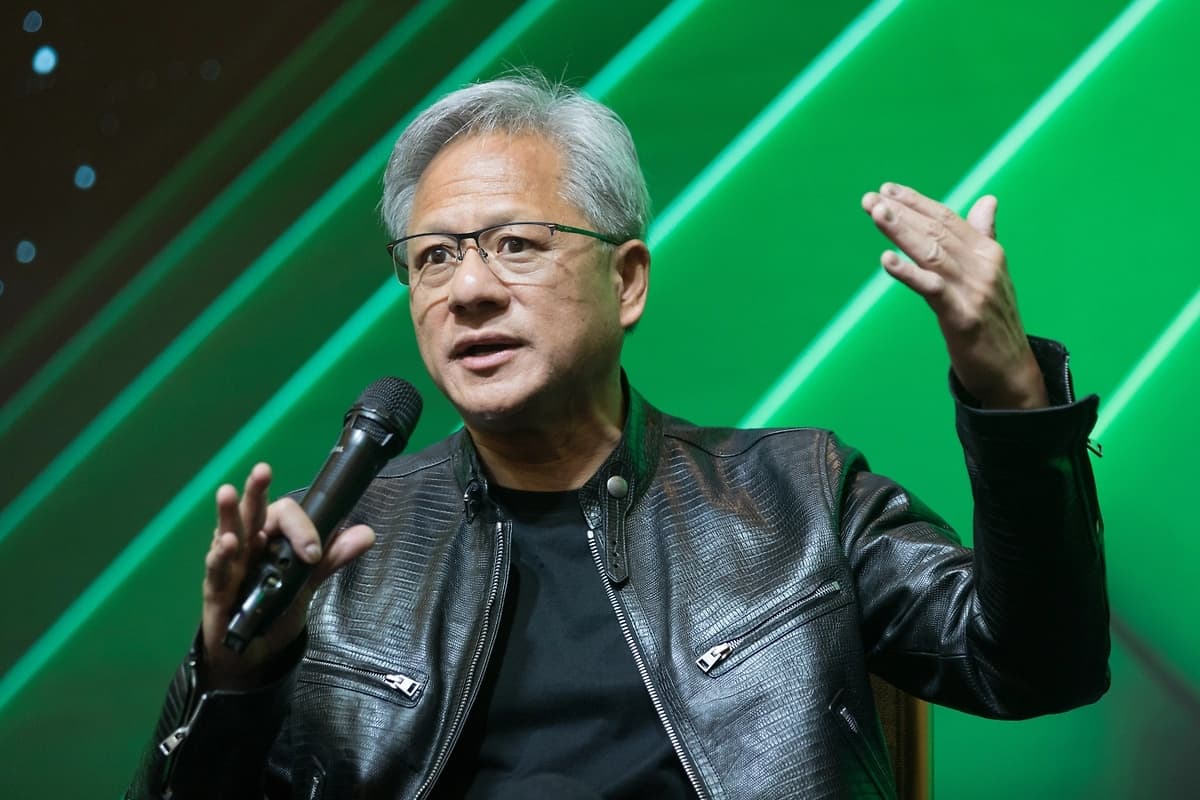
On November 8, 2026, Nvidia's board of directors announced an independent investigation following reports that the company's founder and chief executive may have been the target of a foreign intelligence operation. The review is overseen by a committee of independent directors with the involvement of outside lawyers. The same day, Huang sent employees a letter confessing to marital infidelity and apologizing to his family and colleagues: “I was unfaithful to my wife. My actions caused her and our children pain. There is no excuse for me.”He did not name the woman, however, promising to cooperate fully with the investigation. The board emphasized that it so far “has no reason to believe that national security or Nvidia's secrets have been compromised,” and expressed confidence in Huang, who continues to lead the company.
What is known about Alice Huang
The story came to the fore on October 29, when The New York Times, citing people familiar with classified intelligence information, reported that US intelligence agencies had concluded that Alice Huang was passing information to Beijing while developing a close relationship with Nvidia's chief. According to the outlet, she was under surveillance as part of a review of Megaspeed — a Singapore-based company that buys Nvidia chips, builds data centers in Southeast Asia and rents out their capacity. She was suspected of helping Chinese companies circumvent US export restrictions; according to trade data, Megaspeed's Malaysian subsidiary purchased AI equipment with Nvidia chips worth at least $4.8 billion between June 2024 and February 2026. According to US media reports, intelligence believed Alice Huang had been recruited by China's Ministry of State Security to obtain information about advanced American chips and possibly influence US export policy. At the same time, as Life.ru notes, Huang himself never publicly confirmed that his confession referred specifically to Alice Huang, and the two are not relatives despite sharing a surname. These reports cannot yet be treated as proof of espionage: Beijing rejects the accusations. “The so-called accusation of Chinese espionage is groundless. It is nothing but slander against China,” said Guo Jiakun, spokesperson for China's Foreign Ministry, on November 9.
Congress and the political context
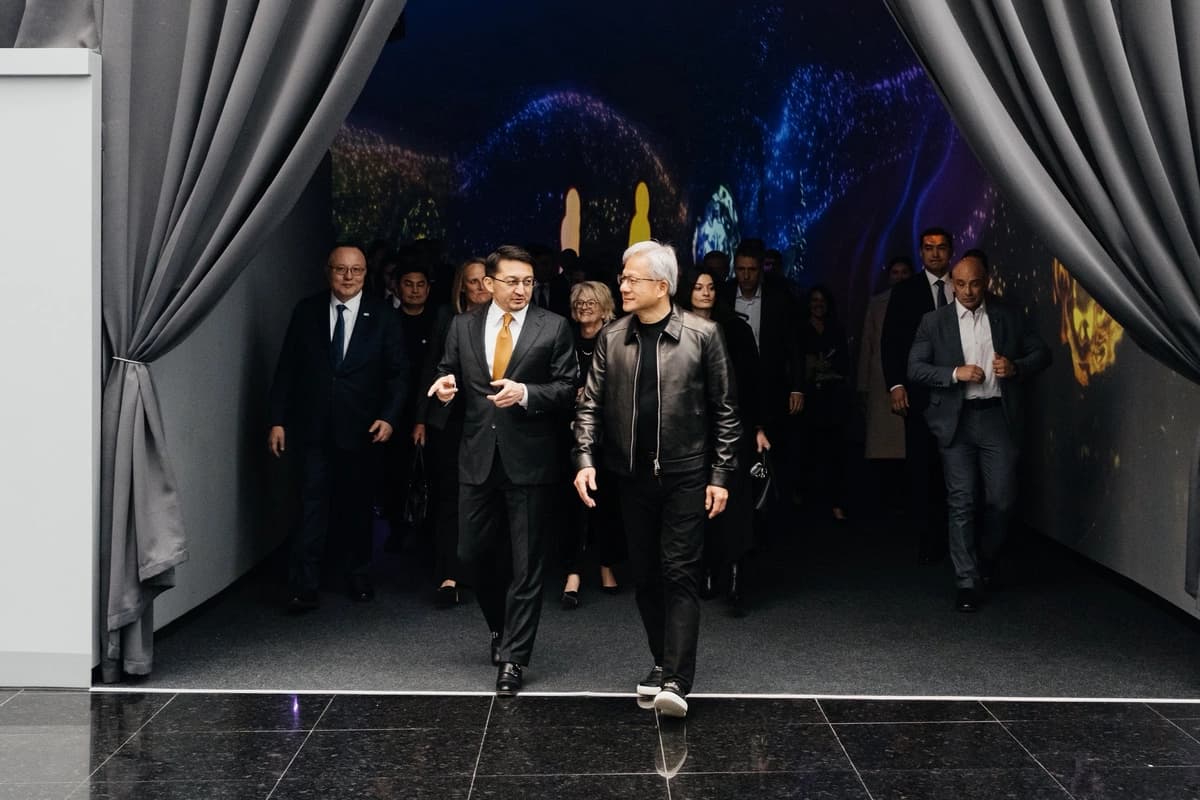
On November 5, the chairs of three House committees — Foreign Affairs, China, and Intelligence — demanded that Huang provide a closed briefing on his contacts with Alice Huang and on measures to protect Nvidia from foreign intelligence services. By November 11 he must confirm the date of November 18 or propose another; the briefing falls on the first day of the APEC summit in Shenzhen (November 18–19), where Donald Trump and Xi Jinping are expected to discuss, among other things, technology. The scandal has erupted against a sensitive backdrop: Huang accompanied Trump's delegation to Beijing in May and was a guest at a state meeting at the White House in September. The president himself, responding to reporters, said he had not discussed the accusations with Huang but defends him: “I just know he's a wonderful person, but you never know what happens,” adding that Huang has “done a tremendous job for our country.” A significant difference between the reports: Anadolu states outright that Huang confessed to an affair with the Chinese businesswoman, whereas Life.ru emphasizes that in his statement he did not name anyone, and the link to Alice Huang appears only in media reports citing sources. The answer to the key question — whether sensitive information was passed — must now come from Nvidia's investigation and the congressional briefing.