The key facts
- More than 150 million people have taken the 'love languages' test, but the theory has no scientific basis
- Psychologists warn of the risk of coercing partners through the concept
- Instead of categories, experts recommend active listening and 'I-statements'
Where the theory came from and why it is popular
The five love languages — quality time, acts of service, words of affirmation, gifts and physical touch — were formulated in 1992 by the American pastor Gary Chapman. By his own account, the idea came to him while observing couples during counselling sessions at his parish. Unlike other theories of relationships, such as attachment theory, the concept has no scientific origin. Nevertheless, its popularity is enormous: according to the Love Languages website, more than 150 million people have taken the online test, and the question 'what is your love language' has become a standard prompt in dating apps and on dating shows. BBC correspondent Ashitha Nagesh took the test herself and noted a discrepancy with reality: her result ('words of affirmation') did not match what is actually valued in her ten-year marriage.
What psychologists say
Counselling psychologist Dr Sarah Emmerson told the BBC that couples regularly bring test results to sessions and draw conclusions from them such as 'we are incompatible'. According to her, research does not confirm that there are only five ways of expressing love and that all people fit neatly into these categories — yet people are still drawn to the idea. Psychotherapist Georgina Sturmer acknowledges that talking about love languages can be a useful way into discussing partners' needs, but calls the approach 'extremely limited' and warns that it risks oversimplifying everything.
The risk of manipulation and controversial examples from the book
A separate problem is the possibility of using 'love languages' to pressure a partner: for example, claiming that since your language is gifts or touch, your partner is obliged to provide them constantly. The BBC also cites an example from Chapman's book: he describes counselling a woman named Ann, whose husband has been hostile and verbally abusive for ten years, and she names sexual physical contact as his 'love language'. When Ann says she finds it difficult to respond to intimacy, Chapman advises her to 'lean heavily on faith in God' in order to have intimate relations with her husband more often. The BBC contacted the Love Languages team for comment.
What experts recommend instead of the test
Instead of categories, psychologists suggest concrete practices. Dr Emmerson recommends truly listening to your partner and acknowledging their feelings, as well as responding to 'bids for connection' — even indirect ones, such as a request for a hug or telling you about something they saw on their phone. Sturmer advises framing experiences through 'I-statements' so that it does not sound like an accusation, and reminds us that arguments in healthy relationships are normal: the goal is not to avoid rupture but to learn to repair it. She also adds a practical detail: it is better not to start difficult conversations late at night or immediately after a partner has come home.
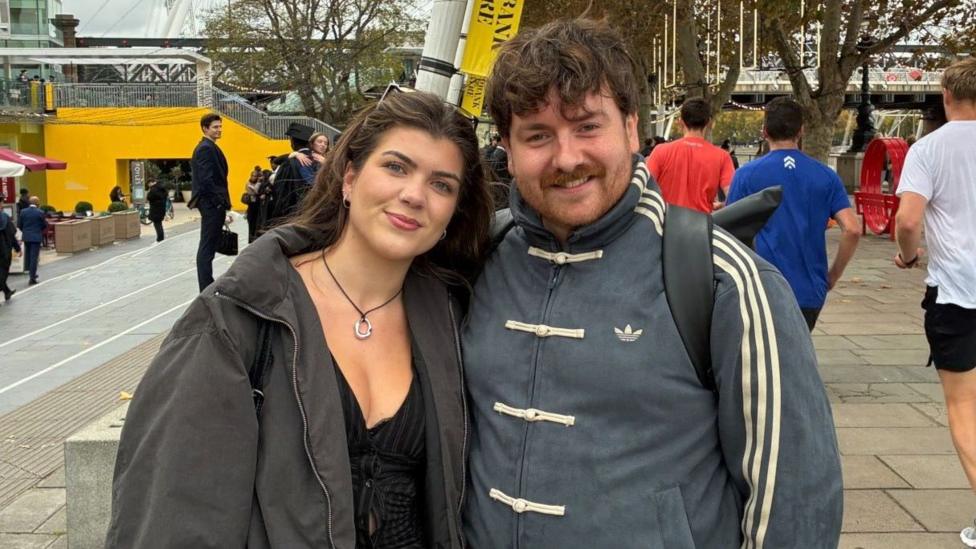
Despite only being on their second date, this couple had already discussed love languages
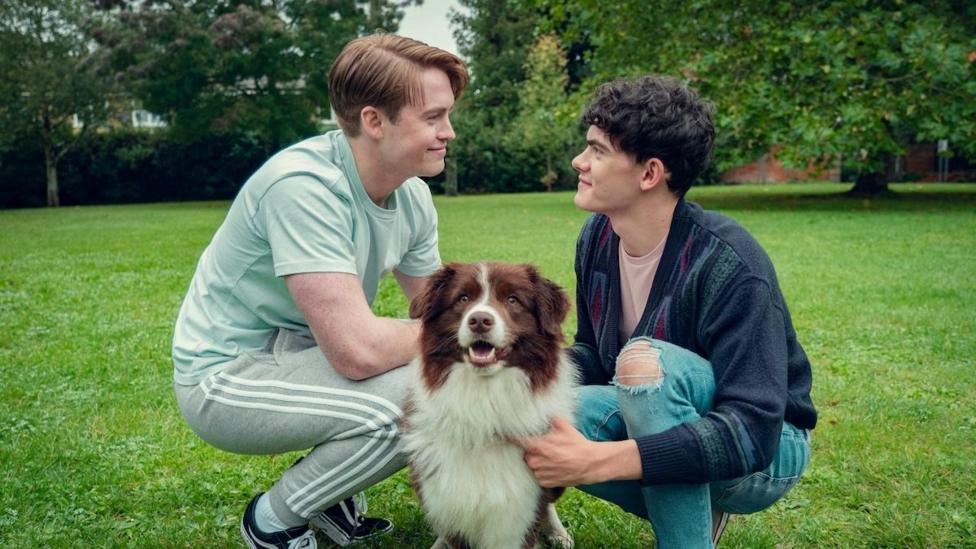 Image source, Samuel Dore/Netflix
Fan edits have tried to guess the love languages of Nick and Charlie in Heartstopper

Chapman's theory of love languages is 35 years old but is often still mentioned by couples