The key facts
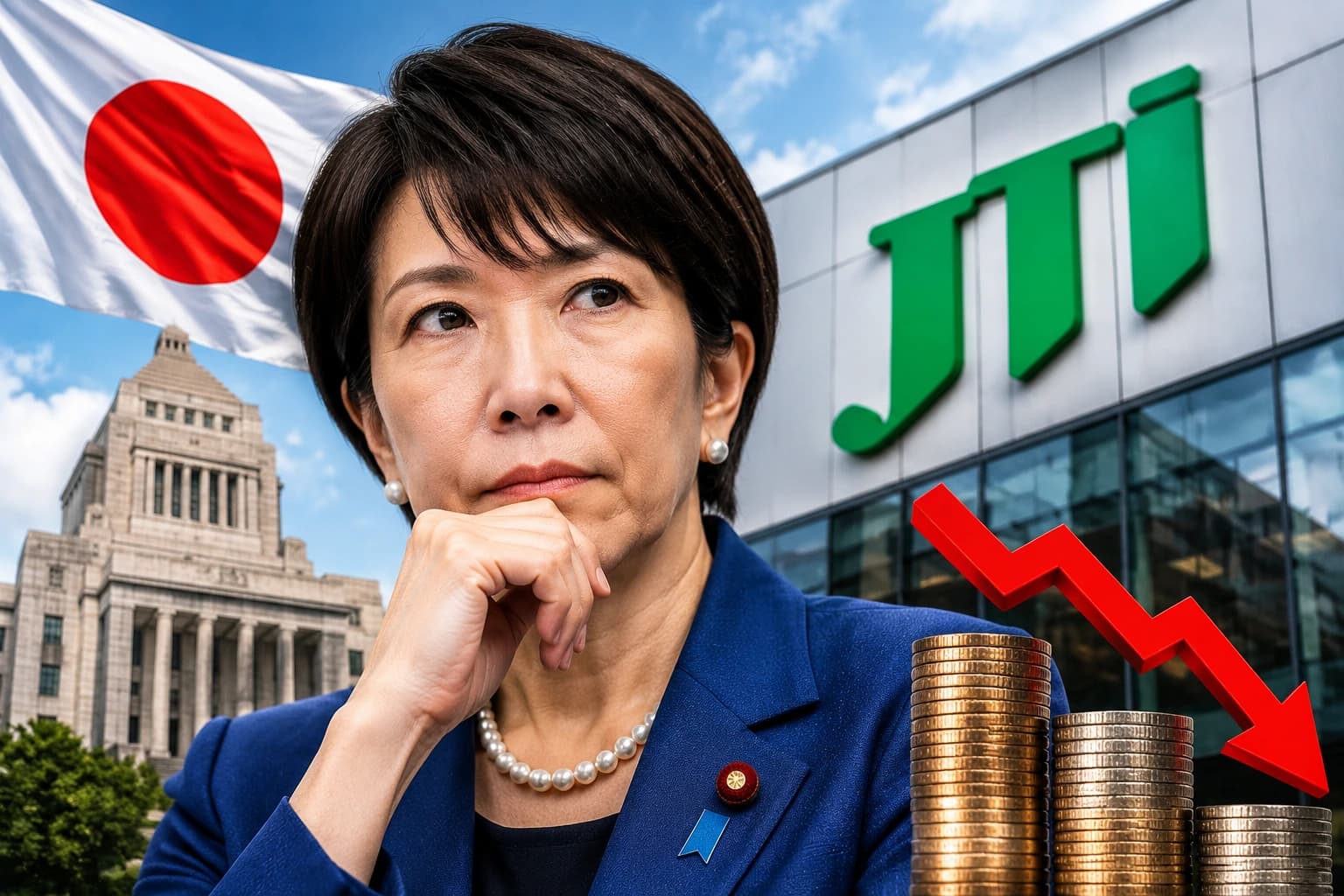
- JTI shares fell by more than 30% after decisions by the Russian authorities — a record drop
- Japan's Ministry of Finance received $655 million in dividends from JTI for the last fiscal year
- Japan lodged a protest and sent a delegation of officials to seek the reversal of the decision
What happened to JTI's assets and how the market reacted
On November 7, Russian President Vladimir Putin placed under temporary management additional Russian assets belonging to a structure of the international tobacco group Japan Tobacco Inc. (JTI). After the Russian authorities' decisions to transfer the assets, JTI shares fell by more than 30%, which was a record drop for the company.
Why this affects Japan's budget
As Bloomberg reports, citing a publication by Gazeta.Ru, Japan's Ministry of Finance is a major shareholder in JTI and receives dividends from the company: for the last fiscal year they amounted to $655 million. According to the agency's assessment, the transfer of JTI's Russian assets to external management threatens a reduction in the funds available to the Japanese government to finance its expenditures. Thus, we are talking not only about corporate losses, but also about a specific line of revenue in Japan's budget that depends on dividends from the tobacco group.
Tokyo's reaction
Japan's Finance Minister Satsuki Katayama said the country lodged a protest with the Russian government after Japan Tobacco International was placed under temporary management. To discuss the reversal of the decision, Deputy Economy Minister Katsuki Arai, Deputy Head of the European Department of Japan's Foreign Ministry Tomoaki Ishigaki and other Japanese officials traveled to Russia. Earlier, according to Gazeta.Ru, Japan's protest had already been answered in the State Duma; the content of that response is not disclosed in the available materials.