The key facts
- Under presidential decrees dated November 5 and 6, all seven Russian legal entities of JTI came under the management of JSC Industrial Assets.
- The Japanese state is the largest shareholder in Japan Tobacco (about 37% of shares); dividends for the fiscal year that ended in March amounted to about $655 million.
- Russia, according to the corporation's own estimate, accounts for about 10% of consolidated revenue and roughly a quarter of adjusted operating profit.
Decision on JTI assets and its consequences for Tokyo
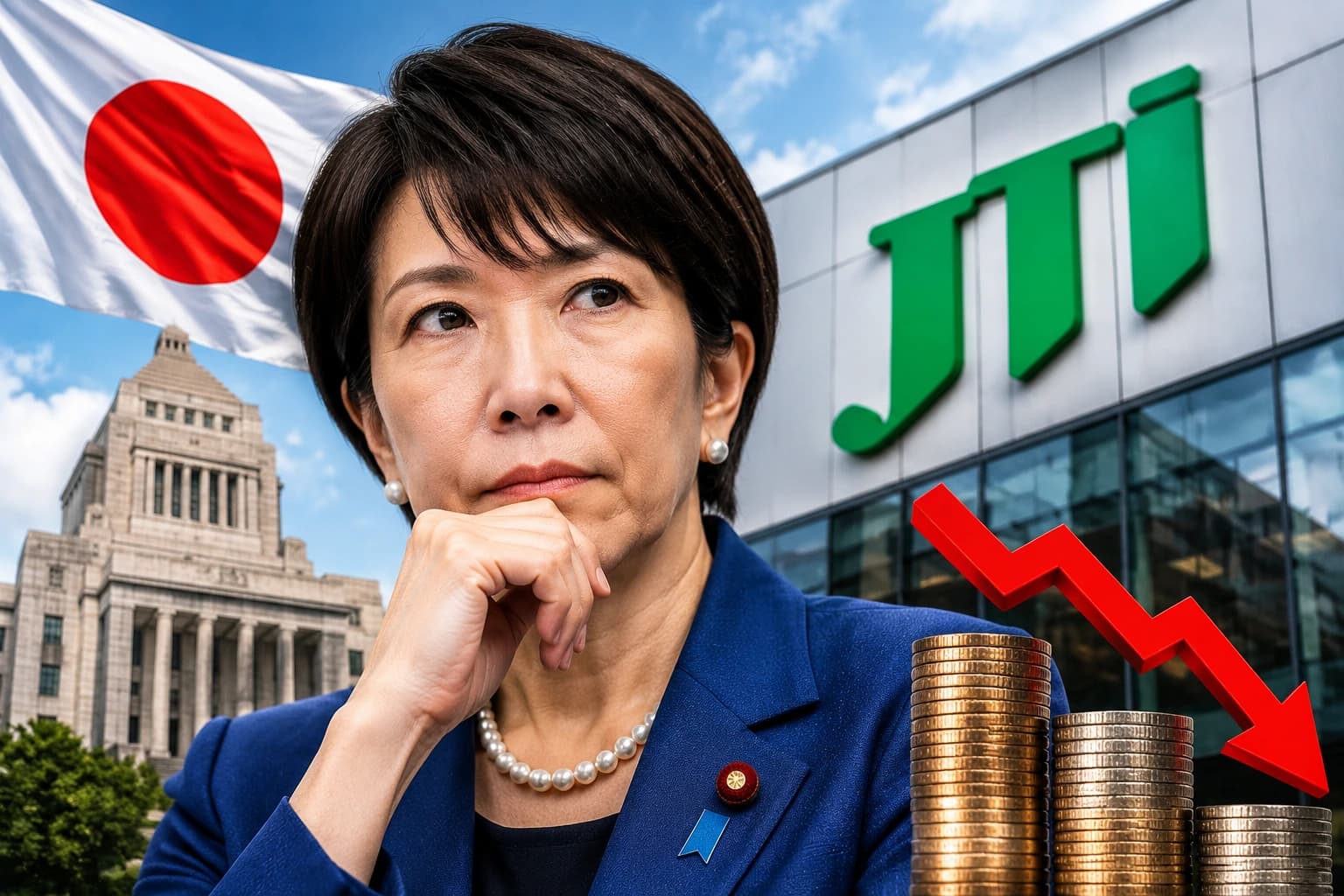
The transfer of Japan Tobacco International's Russian assets into temporary management could spell financial trouble for the Japanese government, which risks losing part of the dividends from the tobacco corporation against the backdrop of Prime Minister Sanae Takaichi's costly spending program. This is reported by Bloomberg (a summary is provided by Life.ru).
What is known about the scale
The Japanese state is the largest shareholder in Japan Tobacco Inc., holding a stake of about 37% of the shares. For the fiscal year that ended in March, the country's Finance Ministry received dividends from the corporation totaling about $655 million. Although this is only roughly 0.1% of the budget's tax revenues for the past year, for certain programs the significance is much greater: according to Bloomberg, JTI dividends account for about 44% of the expected inflows of the fund that finances industrial and innovation projects.
The role of the Russian business and the market reaction
Russia occupies a notable place in the group's business: according to the corporation's own estimate, it accounts for about 10% of consolidated revenue and roughly a quarter of adjusted operating profit. JTI owns facilities in St. Petersburg, Rostov Region, Lipetsk Region and Leningrad Region; its brands include Winston, Camel, LD, Sobranie and Mevius. After the announcement of the transfer of assets into temporary management, Japan Tobacco shares on the Tokyo Stock Exchange hit the allowable daily limit-down for two consecutive trading days.
What exactly happened in Russia
As Life.ru previously reported, two presidential decrees — dated November 5 and 6 — placed all seven Russian legal entities of the Japanese group under the temporary management of JSC Industrial Assets. JTI itself stated that its facilities in Russia continue to operate.
Differing estimates of losses
Estimates of the consequences diverge. According to Bloomberg, Goldman Sachs analysts believe that Japan Tobacco's dividend payments since 2023 have been largely supported by cash flows outside the Russian business, which could soften the blow for the Japanese state. At the same time, the final scale of the financial losses from losing control over the Russian facilities remains undetermined — both for the corporation and for Japan's budget.