The key facts
- Ali al-Sudani held a meeting in Tehran with Ghalibaf devoted to ending the Iran-US war
- The National, citing a source, claims the visit took place at the request of Donald Trump
- Tehran emphasizes: the current 'two-day plan' remains on the table, and no new proposal has been sent to Washington
Unannounced visit and meeting with Ghalibaf
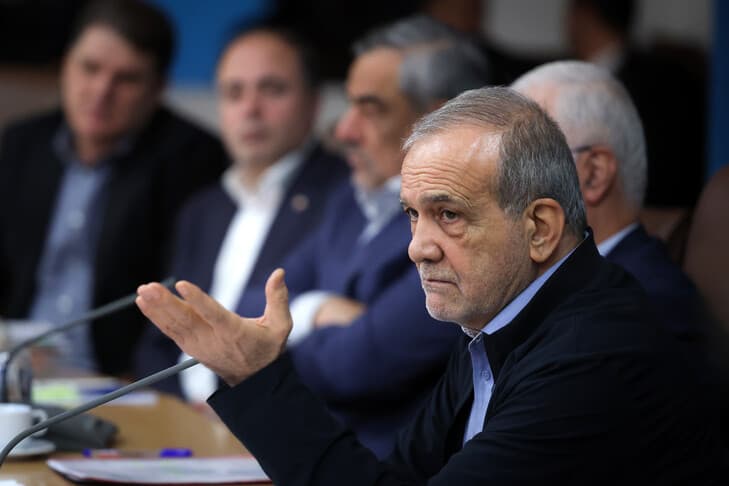
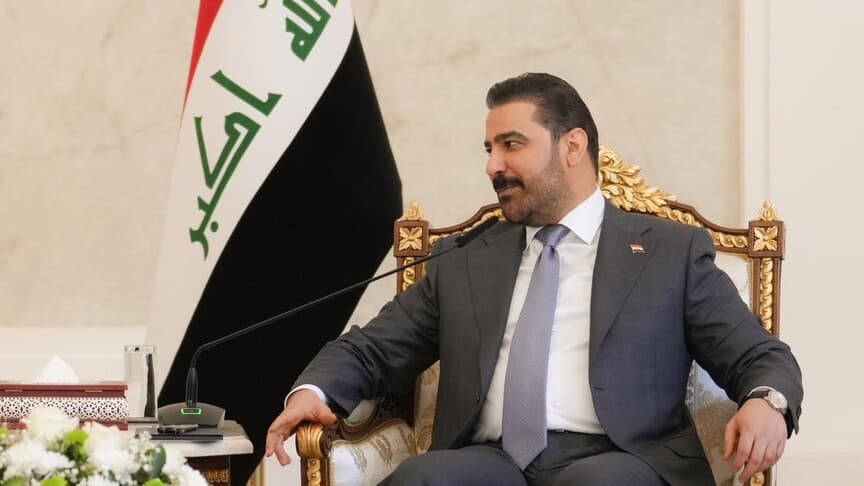
Iraqi Prime Minister Ali al-Sudani made an unannounced visit to Tehran on Friday, which became known on Monday. According to the Iranian Fars news agency , citing an informed source, al-Sudani, together with an accompanying delegation, held a meeting lasting several hours with Mohammad Bagher Ghalibaf — Speaker of Iran's parliament and head of the Iranian negotiating team. According to the source, the discussion focused exclusively on Baghdad's diplomatic efforts to end the war between Tehran and Washington; no other topics were raised. Ghalibaf thanked the Iraqi side and outlined Iran's 'two-day plan,' emphasizing that negotiations could move forward only if the United States respects Iran's rights under this plan. Neither Tehran nor Baghdad officially confirmed the visit right away (Anadolu).
Differing accounts of who was behind the visit
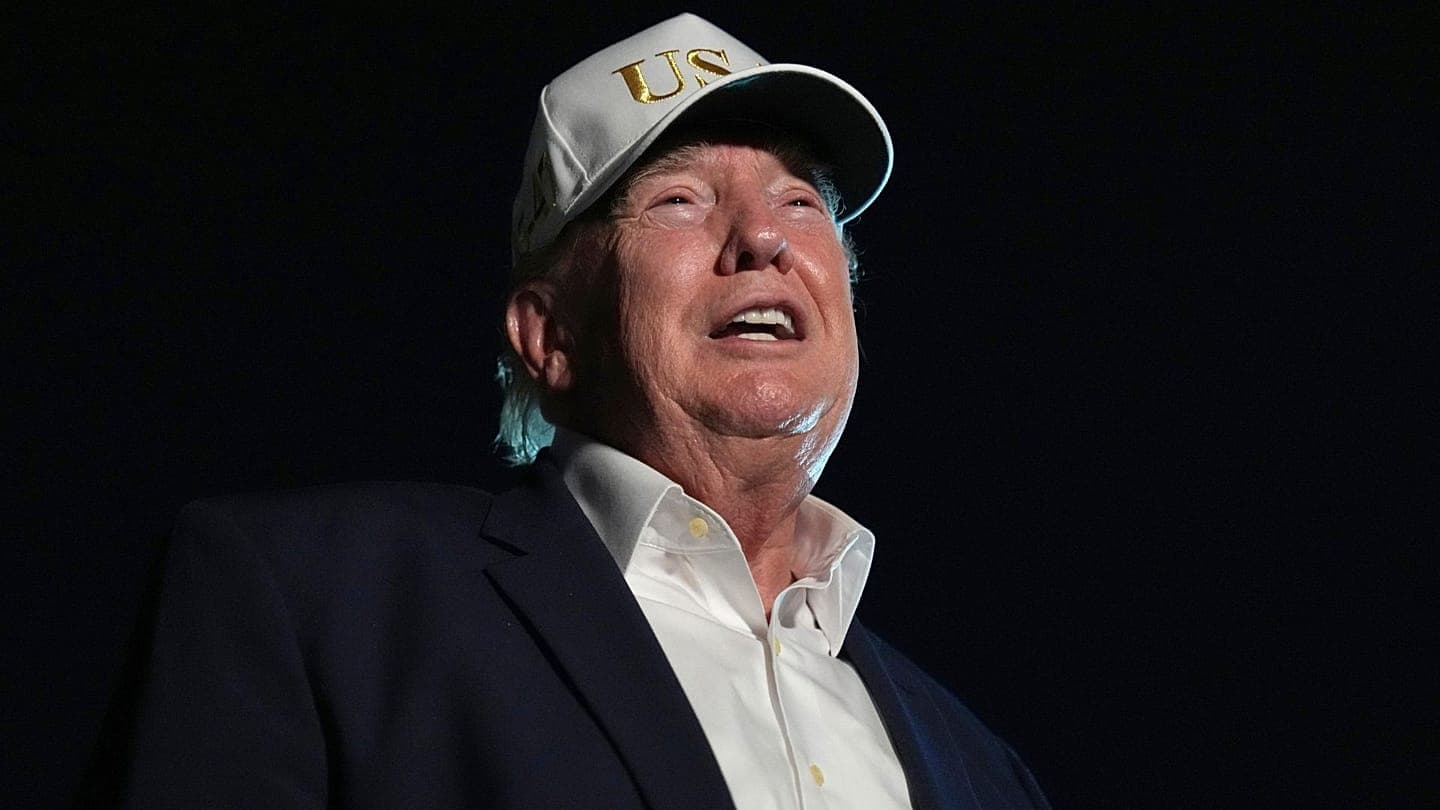
Publications differ in their interpretation of the initiative. Anadolu describes the trip as part of renewed mediation efforts by countries in the region. The National quotes Iraq's Ambassador to Tehran, Yasser Abdul Zahra Al-Hajjaji, who described the mission's goal as 'reducing tensions and preventing escalation,' and, citing an unnamed government official, claims that the visit was requested by US President Donald Trump and 'was meant to open a channel for de-escalation and prevent a slide into war.' The same official added that the trip was intended to 'shield Iraq from being drawn into a broader regional conflict,' without providing details. The publications agree on the main point: the meeting with Ghalibaf took place on Friday and concerned only Iraqi mediation.
Context: the June memorandum and Tehran's position
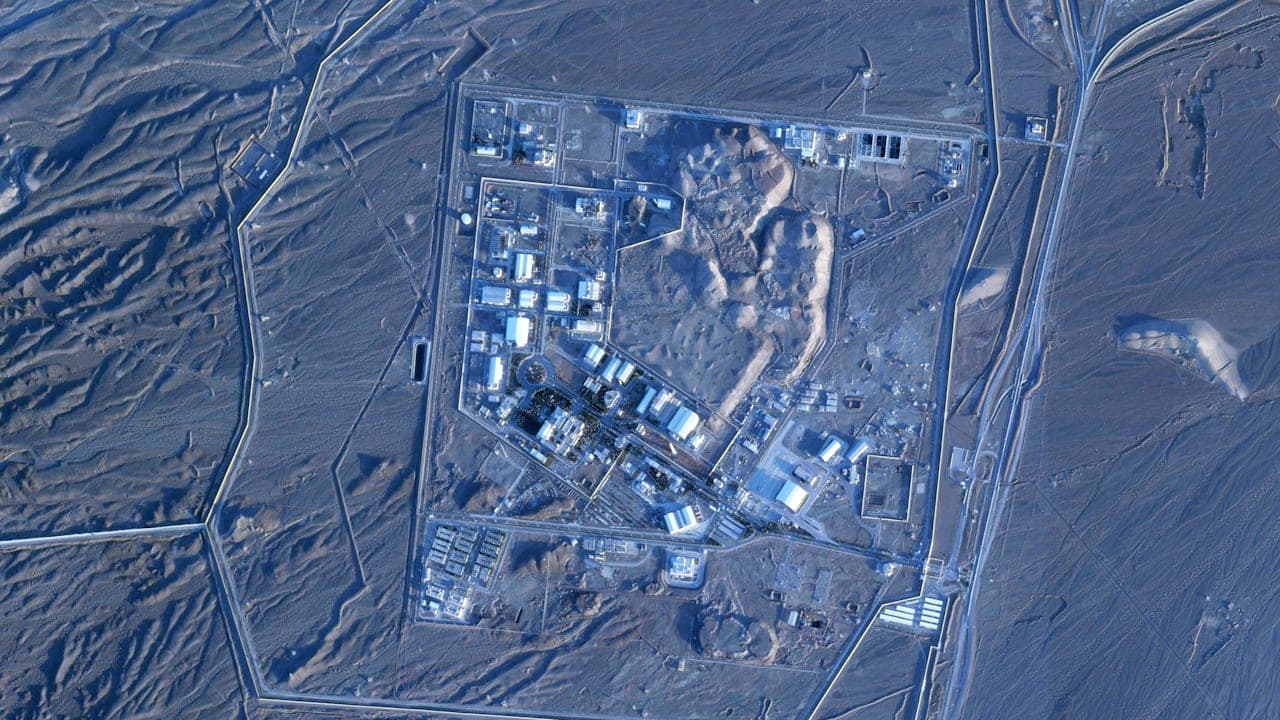
The US and Israeli military offensive against Iran began on February 28; it was followed by Iranian retaliatory strikes and rising tensions in the region. In June, after mediation by Pakistan, the sides signed a memorandum of understanding providing for a cessation of hostilities, easing of sanctions, and issues of shipping security in the Strait of Hormuz; however, disagreements over its implementation and new military clashes prevented a lasting settlement. On Monday, Iranian Foreign Ministry spokesman Esmaeil Baghaei stated that Tehran had not sent a new proposal to Washington: the current 'two-day plan' remains on the table, and its demands include an end to the US naval blockade, the lifting of sanctions, the unfreezing of Iranian assets, and the end of the war. He also emphasized that Tehran maintains regular contact with the mediators — Pakistan and Qatar. Iraq, which maintains ties with both sides, continues diplomatic contacts with Tehran and other governments in the region in search of a negotiated solution.